Polycarbonate pneumatic conveying systems represent a sophisticated solution for material handling in various industrial applications. These systems utilize air or gas to transport bulk materials from one location to another, offering advantages such as dust-free operation, minimal maintenance, and the ability to handle a wide range of materials, including those that are sensitive to moisture or contamination. The design and functionality of these systems are critical to their efficiency and reliability, making a thorough understanding of their structure and working principles essential for users and potential buyers.
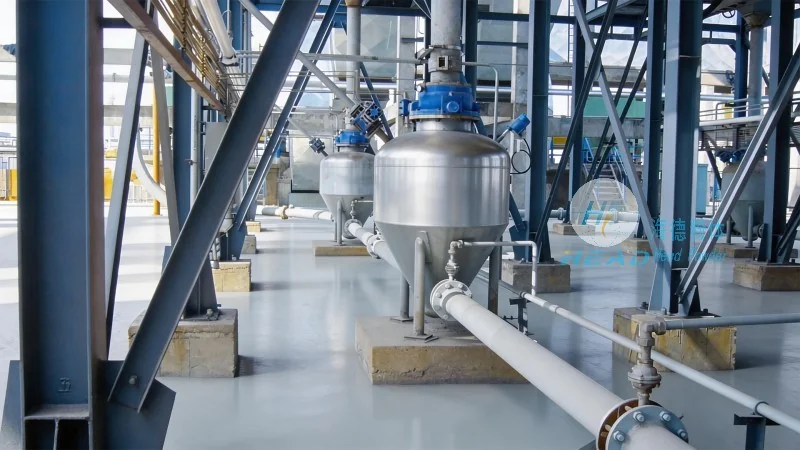
Polycarbonate pneumatic conveying systems are engineered to move dry bulk materials through a closed pipeline using air or other gases. Unlike traditional mechanical conveyors, which rely on belts, buckets, or screws, pneumatic systems use the force of compressed air to propel material particles. This method is particularly advantageous for materials that are difficult to handle with mechanical means, such as powders, granules, and fine particles. The systems are commonly used in industries like pharmaceuticals, food processing, chemicals, and manufacturing, where maintaining product integrity and hygiene is paramount.
The structure of a polycarbonate pneumatic conveying system typically includes several key components that work in concert to ensure smooth material transport. These components are designed to be durable, corrosion-resistant, and compatible with the materials being conveyed. The primary components include:
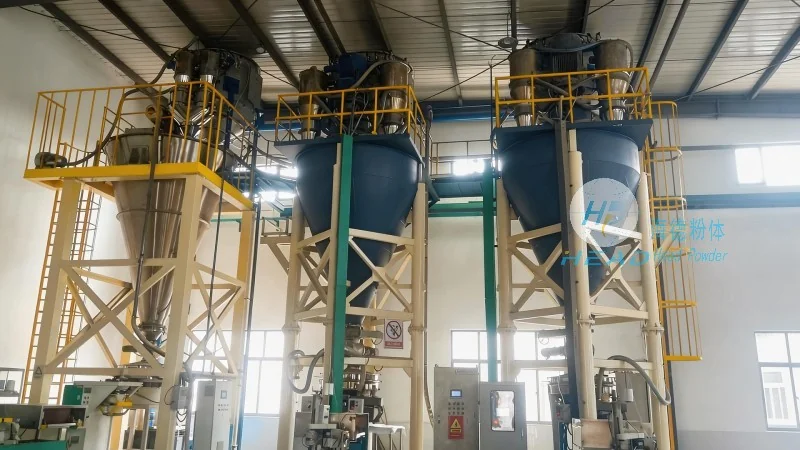
The operation of a polycarbonate pneumatic conveying system is based on the principle of fluidization and suspension. When air is introduced into the conveying line at a sufficient velocity, it lifts the material particles and suspends them in the air stream. The material is then transported through the pipeline to the receiver. The velocity of the air is critical; it must be high enough to keep the particles suspended but not so high as to cause excessive wear on the system components or damage to the material.
The system operates in two main modes: dilute phase and dense phase. In dilute phase conveying, the material is suspended in the air stream at a relatively low concentration, allowing for higher velocities and longer distances. Dense phase conveying, on the other hand, involves a higher concentration of material in the air stream, resulting in lower velocities and more efficient material handling, especially for materials that are prone to segregation or degradation.
Polycarbonate pneumatic conveying systems offer several advantages over traditional material handling methods. These include:
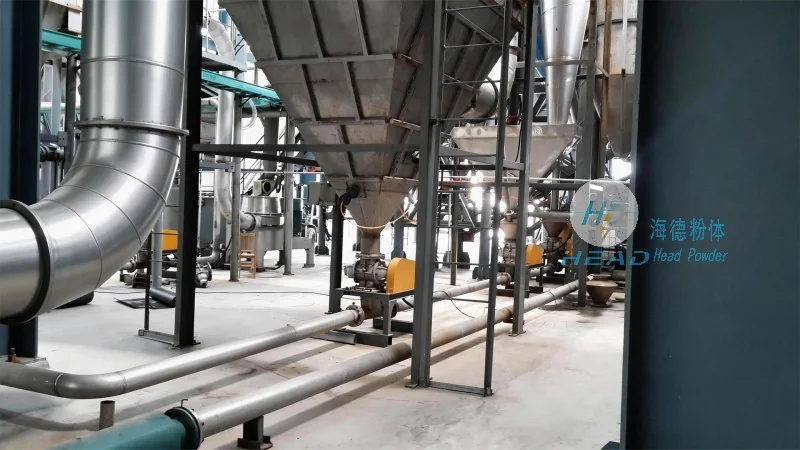
Polycarbonate pneumatic conveying systems are widely used across various industries due to their versatility and efficiency. Some common applications include:
Polycarbonate pneumatic conveying systems are a reliable and efficient solution for material handling in modern industrial settings. Their robust design, combined with the advantages of polycarbonate materials, makes them suitable for a wide range of applications. By understanding the structure and working principles of these systems, users can make informed decisions about their material handling needs and ensure optimal performance and longevity.

 Shandong Headpowder Engineering Co., Ltd.
 156-6277-7102(Manager Zhang)
  0531-83386006
  Jinan City, Shandong Province, China
telephone
WeChatconsult
top