Introduction to the Structure and Working Principle of Reducing Iron Powder Pneumatic Conveying Equi
Release time:2026-09-22 00:01:33
name of the company:Shandong Headpowder Engineering Co., Ltd.
telephone:156-6277-7102
contacts:Manager Zhang
Reduction iron powder is a crucial raw material in the steelmaking industry, and the efficient handling of this material is vital for production efficiency and safety. The Reducing Iron Powder Pneumatic Conveying Machine, manufactured by Shandong HeadPowder Engineering Co., Ltd., is a specialized equipment designed to handle this powder in a safe and effective manner. This article provides an overview of the machine's structure and working principle, highlighting its key components and operational mechanisms.
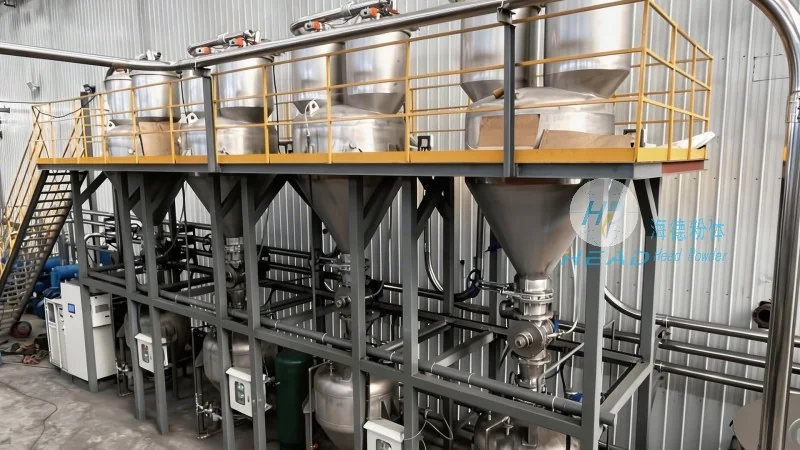
Overview of the Reducing Iron Powder Pneumatic Conveying Machine
Shandong HeadPowder Engineering Co., Ltd. specializes in the design and production of advanced pneumatic conveying systems for various industrial applications. The Reducing Iron Powder Pneumatic Conveying Machine is engineered to meet the specific demands of handling reduction iron powder, which is known for its fine particle size and potential for dust generation. The machine's design incorporates several key features to ensure reliable and efficient material transport, including robust construction, precise control systems, and optimized air flow management.
Key Structural Components
The Reducing Iron Powder Pneumatic Conveying Machine consists of several essential components that work in tandem to facilitate the material transfer process. These components include:
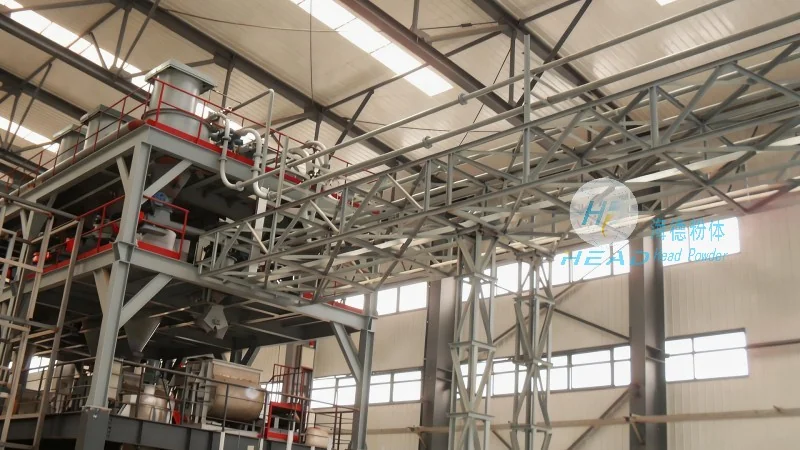
- Material Hopper: The hopper is the primary container where the reduction iron powder is stored before being fed into the conveying system. It is designed with a sloped bottom to facilitate smooth material discharge and is equipped with a feeder mechanism to control the flow rate of the powder.
- Air Supply System: This system generates the necessary air pressure to create the pneumatic conveying effect. It typically includes a blower or compressor, air filters, and pressure regulators to ensure consistent and clean air delivery. The air supply is critical for maintaining the desired air velocity and pressure within the conveying pipeline.
- Conveying Pipeline: The pipeline is the main channel through which the reduction iron powder is transported. It is usually made of durable materials such as stainless steel or plastic, chosen for their resistance to corrosion and wear from the fine powder particles. The pipeline is designed with appropriate bends and fittings to guide the material to the destination while minimizing pressure loss and particle degradation.
- Receiver Tank: The receiver tank is the final container where the conveyed reduction iron powder is deposited. It is equipped with a discharge valve or outlet to allow the material to be transferred to the next processing stage. The tank is designed to handle the volume of material and maintain a stable pressure environment.
- Control System: The control system manages the operation of the entire machine, including the feeder, air supply, and pipeline. It uses sensors and controllers to monitor parameters such as pressure, flow rate, and material level, ensuring that the conveying process operates within optimal conditions. The control system may also include safety features to prevent overpressure or other operational hazards.
Working Principle of the Pneumatic Conveying Process
The operation of the Reducing Iron Powder Pneumatic Conveying Machine is based on the principle of pneumatic transport, where the material is suspended and carried by a stream of air within the pipeline. The process involves several stages:
- Material Feeding: The reduction iron powder is fed from the hopper into the conveying pipeline through the feeder mechanism. The feeder controls the flow rate to match the required conveying capacity.
- Air Injection: Compressed air is introduced into the pipeline at a specific point, creating a high-velocity air stream. The air velocity is maintained above the minimum required to keep the powder particles suspended, preventing them from settling or clogging the pipeline.
- Material Suspension and Transport: The fine powder particles are entrained by the air stream and carried along the pipeline to the receiver tank. The air flow ensures that the particles remain in a suspended state, minimizing friction and wear on the pipeline walls.
- Material Deposition: Upon reaching the receiver tank, the air velocity decreases, allowing the powder to settle and be collected in the tank. The air is then filtered and discharged to the atmosphere, while the material remains in the tank for subsequent use.
Advantages of the Reducing Iron Powder Pneumatic Conveying Machine
The Reducing Iron Powder Pneumatic Conveying Machine offers several advantages over traditional mechanical conveying methods, making it a preferred choice for handling reduction iron powder:
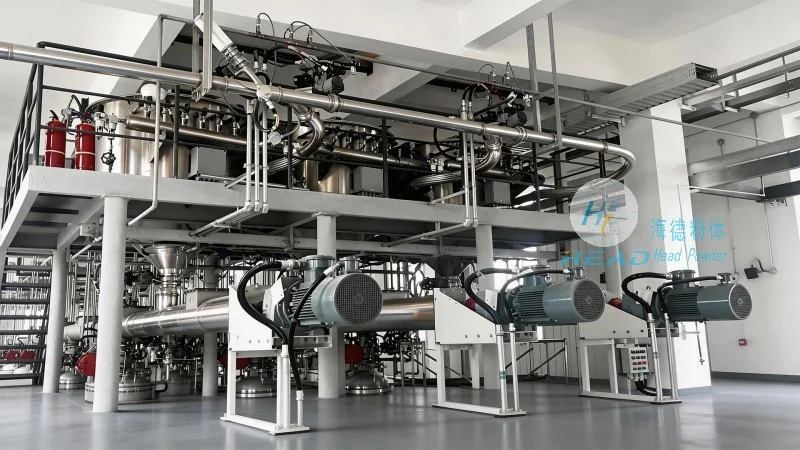
- Efficient Material Transport: The pneumatic system provides a continuous and high-capacity transport of the fine powder, reducing the need for manual handling and improving overall production efficiency.
- Reduced Dust and Contamination: The enclosed system minimizes dust generation and exposure, enhancing workplace safety and maintaining material purity. This is particularly important for reduction iron powder, which can be sensitive to contamination.
- Flexible Installation: The machine can be installed in various configurations, including vertical, horizontal, or inclined pipelines, to suit the layout of the production facility. This flexibility allows for easy integration into existing production lines.
- Low Maintenance: The design of the machine minimizes moving parts and wear components, resulting in lower maintenance requirements and reduced downtime.
- Energy Efficiency: Advanced control systems optimize air usage, reducing energy consumption and operating costs. The efficient air flow management ensures that the system operates at peak performance with minimal energy waste.
Applications and Industries
The Reducing Iron Powder Pneumatic Conveying Machine is widely used in various industries that rely on reduction iron powder as a raw material. These include:
- Steel Manufacturing: In steel production, reduction iron powder is used as a reducing agent in the production of special steels and alloys. The machine efficiently transports the powder to the blast furnace or other processing equipment.
- Chemical Industry: The chemical industry uses reduction iron powder in the production of iron-based chemicals and catalysts. The pneumatic conveying system ensures safe and reliable transport of the material to reactors and processing units.
- Metallurgical Processing: In metallurgical plants, the machine is used to transport reduction iron powder for use in metal refining and recycling processes. The efficient handling of the material improves the overall efficiency of the metallurgical operations.
- Research and Development: Laboratories and research facilities may use the machine for handling small quantities of reduction iron powder in experimental setups, ensuring precise and controlled material transport.
Conclusion
Shandong HeadPowder Engineering Co., Ltd. has developed the Reducing Iron Powder Pneumatic Conveying Machine as a reliable and efficient solution for handling reduction iron powder in industrial applications. The machine's robust structure, precise control systems, and optimized pneumatic conveying process ensure safe and effective material transport. By incorporating advanced design features and material handling technologies, the machine meets the demanding requirements of modern industrial production, providing a cost-effective and sustainable solution for reduction iron powder handling. With its headquarters in Shandong, China, Shandong HeadPowder Engineering Co., Ltd. continues to innovate and provide high-quality equipment to meet the evolving needs of the industry.

 Shandong Headpowder Engineering Co., Ltd.
 156-6277-7102(Manager Zhang)
  0531-83386006
  Jinan City, Shandong Province, China