Chloroprene rubber, also known as neoprene, is a synthetic polymer widely used in industrial applications due to its excellent resistance to oil, chemicals, and weathering. In the realm of material handling and transportation, pneumatic conveying systems have become indispensable for efficiently moving bulk materials like chloroprene rubber. This article provides a detailed introduction to chloroprene rubber pneumatic conveying equipment, focusing on its structural components and operational principles.
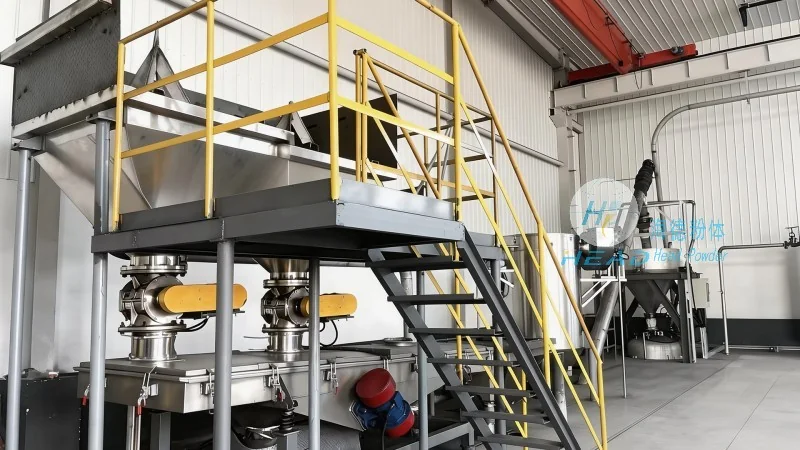
The chloroprene rubber pneumatic conveying system typically consists of several critical components that work in tandem to ensure smooth material transport. The primary elements include the hopper, which serves as the material storage and feeding unit; the conveying pipeline, which transports the rubber particles under pressure; the air compressor or blower, which generates the necessary airflow; and the control system, which regulates the pressure and flow rates. Additionally, accessories such as check valves, filters, and silencers are integrated to enhance system efficiency and safety.
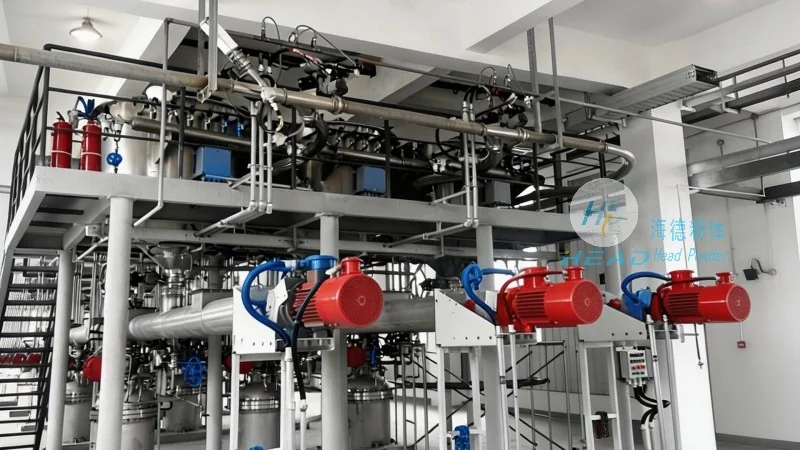
The operation of a chloroprene rubber pneumatic conveying system relies on the principle of air movement to transport solid materials. When the air compressor starts, it generates a high-pressure airflow that enters the hopper. The rubber particles are then drawn into the pipeline by the airflow, forming a dense or dilute phase stream depending on the system design. The conveying pipeline is usually made of materials like stainless steel or special polymers to withstand the corrosive properties of chloroprene rubber and the abrasive nature of the particles. The system may employ either positive or negative pressure modes, with positive pressure being more common for long-distance or high-capacity applications. The control system continuously monitors parameters like pressure, flow rate, and material level to maintain optimal performance and prevent blockages or overloading.
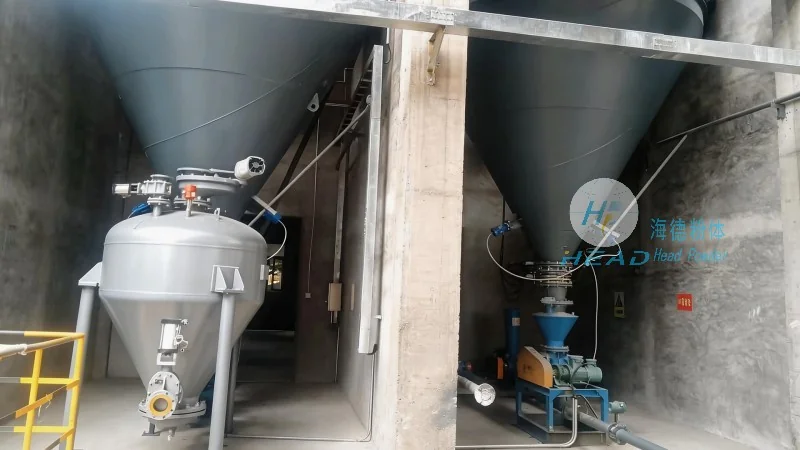
Implementing a chloroprene rubber pneumatic conveying system offers several advantages over traditional mechanical conveying methods. Firstly, it eliminates the need for mechanical components like belts or chains, reducing maintenance costs and the risk of mechanical failure. Secondly, the system provides a dust-free and hygienic environment, which is crucial for handling rubber materials that may contain contaminants or require strict cleanliness standards. Thirdly, the flexible pipeline design allows for easy integration into existing production lines and facilitates changes in material flow direction or destination. Furthermore, the ability to handle a wide range of particle sizes and densities makes the system versatile for various industrial applications.
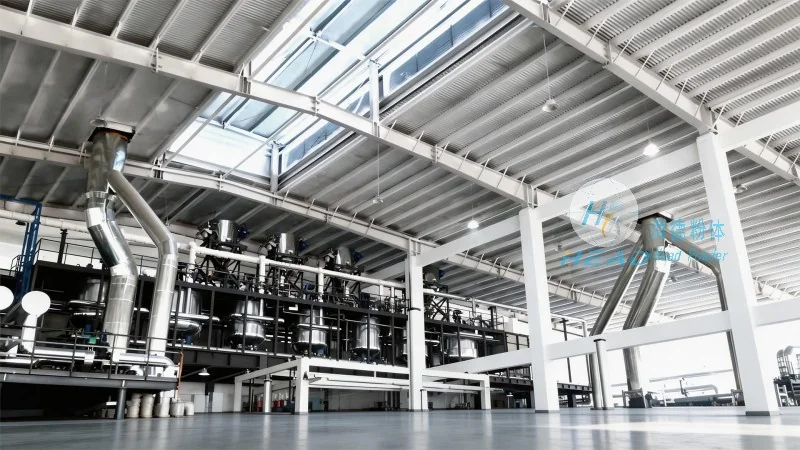
Shandong HeadPowder Engineering Co., Ltd., operating under the brand name headpowder, is a leading manufacturer and supplier of advanced material handling solutions. With a strong commitment to innovation and quality, the company specializes in designing and manufacturing pneumatic conveying systems tailored to the specific needs of the rubber and plastic industries. HeadPowder's expertise lies in integrating cutting-edge technology with robust engineering to deliver reliable and efficient equipment that meets international standards. The company's facilities are located in Shandong, China, where it leverages local resources and expertise to support its global clientele. By focusing on customer satisfaction and technological advancement, HeadPowder continues to be a trusted partner in the material handling sector, providing solutions that enhance productivity and safety in industrial operations.

 Shandong Headpowder Engineering Co., Ltd.
 156-6277-7102(Manager Zhang)
  0531-83386006
  Jinan City, Shandong Province, China
telephone
WeChatconsult
top