

Lightweight Aggregate Positive Pressure and Negative Pressure Conveying: A Comparative Analysis of T
HeadPowder, a leading provider in the field of material handling solutions, specializes in advanced pneumatic conveying systems tailored for lightweight aggregates. This article provides a detailed comparison between positive pressure and negative pressure conveying methods, offering insights into their operational principles, advantages, and practical applications.
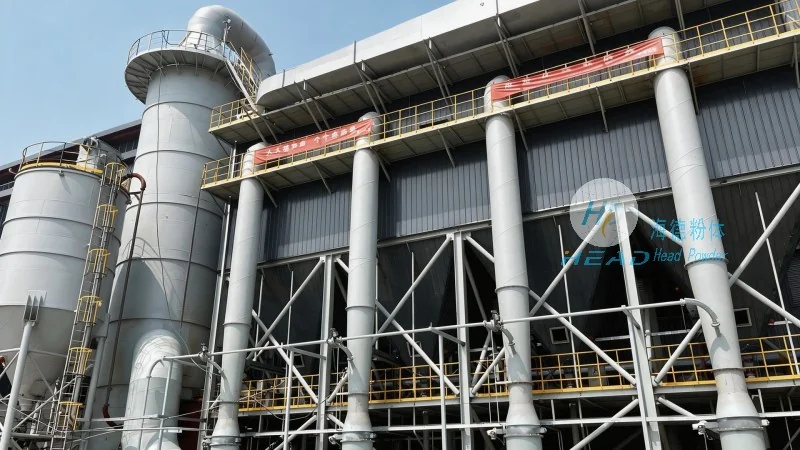
Introduction to Pneumatic Conveying for Lightweight Aggregates
Pneumatic conveying is a critical technology in the construction and industrial sectors, enabling the efficient transport of lightweight aggregates such as expanded clay, perlite, and vermiculite. These materials, characterized by low density and high air permeability, present unique challenges in traditional bulk material handling. The choice between positive pressure and negative pressure systems significantly impacts system efficiency, cost, and operational safety. Understanding the nuances of each method is essential for selecting the most suitable solution for specific project requirements.
Positive Pressure Conveying: Advantages and Operational Principles
Positive pressure conveying systems operate by generating air pressure within the conveying line, typically using a positive displacement blower or a high-pressure fan. The air is forced through the pipeline, carrying the lightweight aggregate particles. This method is particularly effective for conveying materials over long distances or through complex network layouts. One of the key advantages of positive pressure systems is their ability to handle abrasive or corrosive materials without significant wear on the system components. Additionally, positive pressure systems can maintain a consistent flow rate, ensuring reliable material delivery to the destination.
From a practical standpoint, positive pressure systems are often preferred for applications requiring high throughput and minimal material degradation. The pressurized environment helps to prevent dust emissions and maintain material quality during transport. However, these systems may require more robust equipment and higher energy consumption compared to negative pressure alternatives, which can impact long-term operational costs.
Negative Pressure Conveying: Characteristics and Applications
Negative pressure conveying, also known as vacuum or suction conveying, operates by creating a vacuum within the pipeline, drawing the lightweight aggregate into the system. This method is commonly used for short to medium distance conveying and for handling materials that are sensitive to pressure or require gentle handling. The vacuum system typically includes a vacuum pump and a collection hopper, allowing for the efficient collection and transport of materials from various sources.
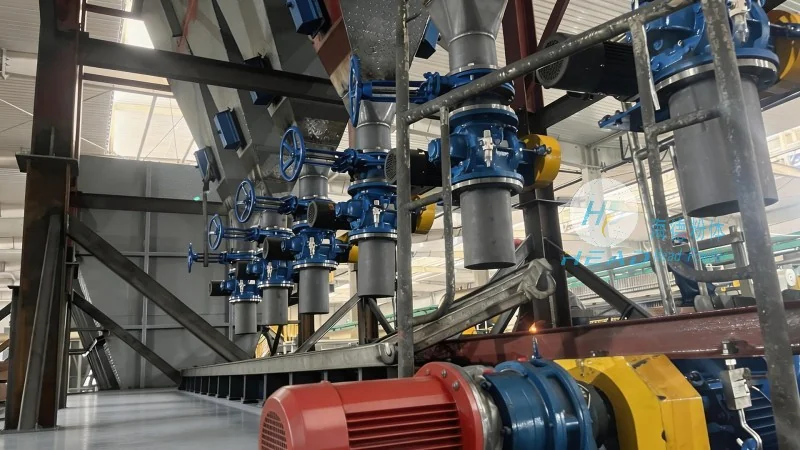
A major advantage of negative pressure systems is their lower energy consumption and reduced noise levels compared to positive pressure systems. They are also more suitable for applications where the material source is located at a higher elevation or where the destination is lower. However, negative pressure systems may be less effective for long-distance conveying or for materials with high air resistance, as the vacuum may not be sufficient to maintain consistent flow over extended distances.
Comparative Analysis: Key Factors to Consider
When evaluating positive versus negative pressure conveying for lightweight aggregates, several factors must be considered to determine the optimal solution. The first factor is the distance and layout of the conveying system. Positive pressure systems are generally more suitable for long-distance or complex network applications, while negative pressure systems are ideal for shorter distances or when the material source is elevated. The second factor is the material characteristics, including particle size, density, and air permeability. Materials with high air permeability may require higher air velocities in positive pressure systems to maintain flow, whereas negative pressure systems may struggle with fine or highly porous particles.
Energy consumption and operational costs are also critical considerations. Positive pressure systems typically consume more energy due to the need to generate high air pressure, whereas negative pressure systems are more energy-efficient but may require more maintenance due to the vacuum pump and associated components. Additionally, the system's ability to handle abrasive or corrosive materials should be assessed, as positive pressure systems may offer better protection against wear and corrosion compared to negative pressure alternatives.
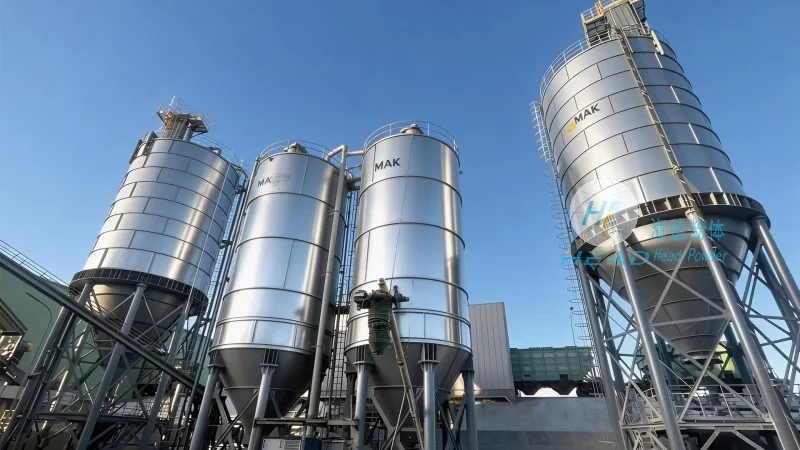
HeadPowder's Expertise in Pneumatic Conveying Solutions
Shandong HeadPowder Engineering Co., Ltd., based in China, is a trusted partner for businesses seeking reliable pneumatic conveying solutions. With years of experience in the industry, HeadPowder specializes in designing and manufacturing customized systems that meet the unique needs of clients. The company's expertise lies in understanding the specific challenges of lightweight aggregate handling and providing tailored solutions that optimize performance and efficiency.
HeadPowder's team of engineers and technicians work closely with clients to assess their operational requirements, material characteristics, and budget constraints. By leveraging advanced technology and rigorous testing, HeadPowder ensures that each system is designed to deliver consistent performance, minimal maintenance, and long-term reliability. The company's commitment to quality and customer satisfaction has made it a leading choice for businesses in the construction, industrial, and material handling sectors.
Conclusion: Selecting the Right Conveying Method
Choosing between positive pressure and negative pressure conveying for lightweight aggregates requires a thorough evaluation of operational needs, material properties, and cost considerations. Positive pressure systems offer advantages in long-distance conveying and handling abrasive materials, while negative pressure systems excel in energy efficiency and gentle material handling for shorter distances. By understanding the operational principles and key factors of each method, businesses can make informed decisions that enhance productivity, reduce costs, and ensure safe material transport.
HeadPowder continues to innovate in the field of pneumatic conveying, providing cutting-edge solutions that meet the evolving demands of the industry. With a focus on quality, efficiency, and customer satisfaction, HeadPowder remains dedicated to delivering the best possible outcomes for its clients. Whether you are looking to upgrade an existing system or design a new conveying solution, HeadPowder is the partner you can trust to provide the expertise and support needed to achieve your goals.