

Sawdust and Husk Positive Pressure and Negative Pressure Conveying: A Comparative Analysis of Two Pn
When it comes to transporting materials like sawdust and husk, the choice between positive pressure and negative pressure pneumatic conveying systems is critical. Both methods offer unique advantages and challenges, making it essential to understand their operational principles and suitability for specific applications. This article provides a detailed comparison of positive pressure and negative pressure conveying systems, focusing on their applications in handling sawdust and husk, and highlights the expertise of Shandong HeadPowder Engineering Co., Ltd. in providing tailored solutions for these materials.
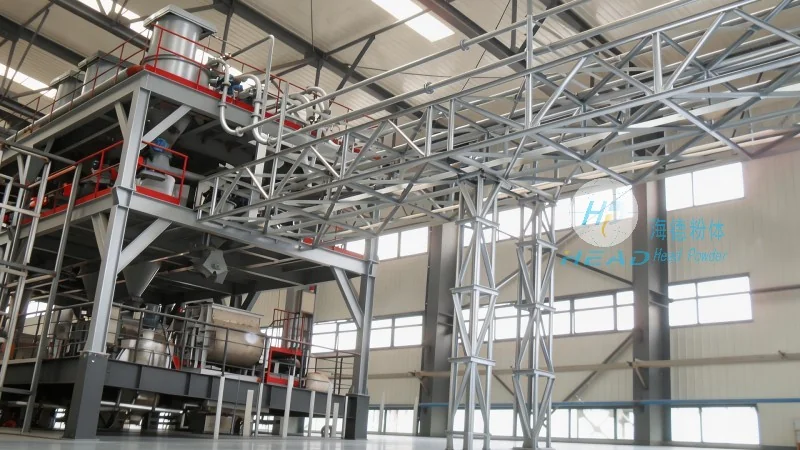
Understanding Pneumatic Conveying Systems
Pneumatic conveying is a method of transporting bulk materials through a pipeline using air or gas as the conveying medium. It is widely used in industries dealing with powders, granules, and bulk solids, including the wood processing sector where sawdust and husk are common byproducts. The two primary types of pneumatic conveying systems are positive pressure and negative pressure systems, each with distinct characteristics that influence their performance, cost, and suitability for different material properties and process requirements.
Positive Pressure Conveying Systems
Positive pressure conveying systems operate by blowing air or gas into the material to be transported, creating a pressure higher than the ambient air pressure. The material is then carried through the pipeline by the pressurized air. This method is particularly effective for transporting materials over long distances or through complex network systems. For sawdust and husk, positive pressure systems can handle a wide range of particle sizes and moisture content, making them versatile for various applications.
One of the key advantages of positive pressure systems is their ability to handle abrasive materials without excessive wear on the pipeline components. The pressurized air also helps to maintain the material's integrity, reducing the risk of degradation during transport. However, these systems require more robust equipment, including high-pressure blowers and sealed pipelines, which can increase initial investment and maintenance costs. Additionally, positive pressure systems may generate more noise and require proper ventilation to manage air emissions.
Negative Pressure Conveying Systems
Negative pressure conveying systems, also known as suction systems, operate by creating a vacuum in the pipeline, drawing material into the system from the source. The material is then transported through the pipeline and discharged at the destination. This method is ideal for applications where the material source is at a higher elevation than the destination, as the vacuum helps to pull the material upward.
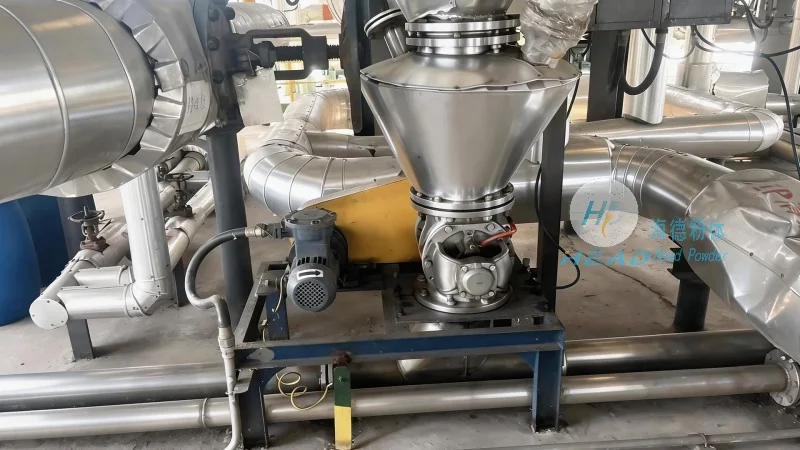
A major advantage of negative pressure systems is their lower initial cost compared to positive pressure systems. They are also quieter and require less space for equipment installation. However, negative pressure systems are more sensitive to material properties, such as particle size and moisture content, and may not be suitable for long-distance or high-volume transport. The vacuum created can also lead to material degradation if the system is not properly designed, as the material may be exposed to air for longer periods.
Comparative Analysis: Positive vs. Negative Pressure Conveying
When comparing positive and negative pressure conveying systems for sawdust and husk, several factors must be considered. The choice depends on the specific application requirements, including the distance between the source and destination, the volume of material to be transported, the material's physical properties, and the available budget.
For short-distance transport of relatively dry sawdust and husk, negative pressure systems may be more cost-effective. However, for long-distance or high-volume applications, positive pressure systems often provide better performance and reliability. The ability of positive pressure systems to handle abrasive materials and maintain material integrity makes them preferable for applications where material quality is critical.
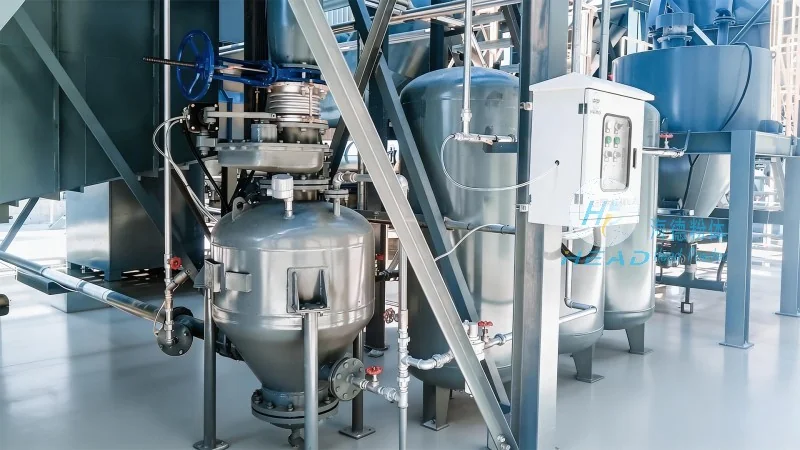
Another critical factor is the impact on the environment and workplace. Positive pressure systems may require additional ventilation to manage air emissions, while negative pressure systems can help reduce dust exposure at the source. The choice of system should also consider the operational environment, such as the presence of other equipment or the need for noise reduction.
HeadPowder Engineering Co., Ltd.: Expertise in Pneumatic Conveying Solutions
Shandong HeadPowder Engineering Co., Ltd. specializes in providing customized pneumatic conveying solutions for industries dealing with bulk materials, including sawdust and husk. With years of experience in the field, HeadPowder understands the unique challenges of transporting these materials and offers tailored systems that meet specific operational needs.
HeadPowder's team of engineers and technicians work closely with clients to assess their material properties, process requirements, and budget constraints. They then design and install systems that optimize performance, efficiency, and cost-effectiveness. The company's expertise extends to both positive and negative pressure systems, allowing them to recommend the most suitable solution for each application.
HeadPowder's commitment to quality and customer satisfaction is evident in their product range and service. They use high-quality materials and components to ensure durability and reliability, and provide comprehensive after-sales support to address any issues that may arise. With offices and operations in China, Shandong HeadPowder Engineering Co., Ltd. serves clients both domestically and internationally, delivering solutions that meet the highest standards of performance and safety.