

Corn Flour Positive Pressure Conveying vs. Negative Pressure Conveying: A Comparative Analysis of Tw
When it comes to transporting corn flour, the choice between positive pressure and negative pressure pneumatic conveying systems is a critical decision for industrial operations. Both methods are widely used in the food processing and bulk material handling sectors, but they differ significantly in their operational principles, efficiency, and suitability for specific applications. This article provides a detailed comparison of positive pressure and negative pressure conveying systems, focusing on their applications in corn flour handling, to help businesses select the most appropriate technology for their needs.
Understanding Pneumatic Conveying Systems
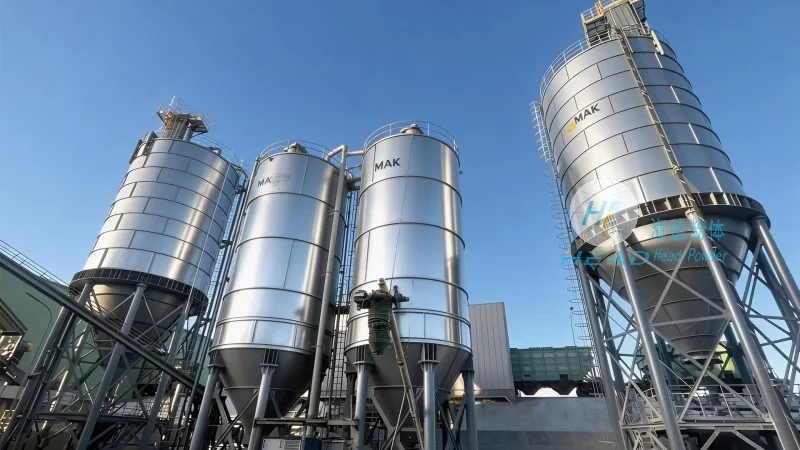
Pneumatic conveying is a method of transporting bulk materials through a pipeline using air or gas as the conveying medium. It is commonly used for materials like corn flour, which are often dusty, light, or have a tendency to agglomerate. The two main types of pneumatic conveying are positive pressure and negative pressure systems, each with distinct characteristics that influence their performance and suitability.
Positive Pressure Conveying: Advantages and Applications
Positive pressure conveying systems operate by blowing air or gas into the material stream, creating a pressure higher than the ambient air pressure. This method is particularly effective for transporting corn flour over long distances or through complex piping networks. One of the key advantages of positive pressure systems is their ability to handle high material loads and maintain consistent flow rates, even with varying material properties. The pressurized environment also helps to prevent dust emissions and maintain product quality by minimizing exposure to the air.
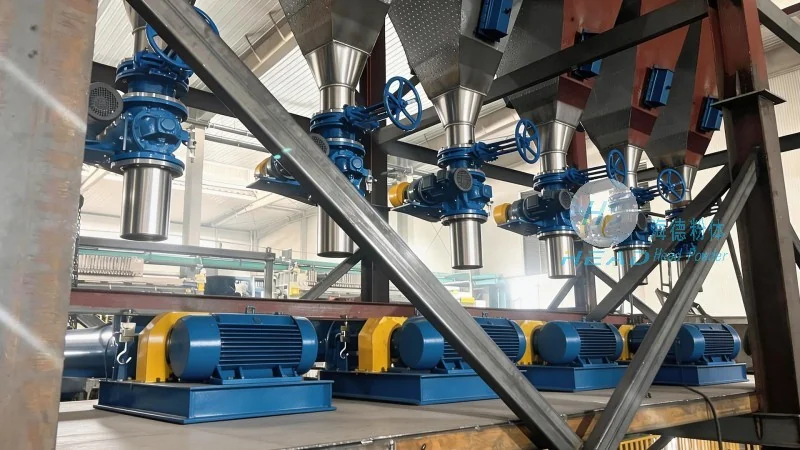
For corn flour applications, positive pressure systems are often preferred when the material needs to be conveyed from a central silo to multiple processing units or when the system must operate in a closed loop to meet environmental regulations. The high pressure also allows for better control over the material's velocity and direction, reducing the risk of blockages or material degradation. Companies like Shandong HeadPowder Engineering Co., Ltd., a leading provider of bulk material handling solutions, specialize in designing and manufacturing positive pressure conveying systems tailored to the specific requirements of corn flour processing plants.
Negative Pressure Conveying: Benefits and Limitations
Negative pressure conveying, also known as vacuum conveying, works by creating a vacuum in the material line, drawing the corn flour from the source into the system. This method is generally more suitable for shorter conveying distances and when the material is to be collected from multiple points or from a single source into a central receiver. The primary benefit of negative pressure systems is their lower energy consumption compared to positive pressure systems, as they do not require high-pressure air compressors. This makes them more cost-effective for smaller-scale operations or for handling materials that are less abrasive or dusty.
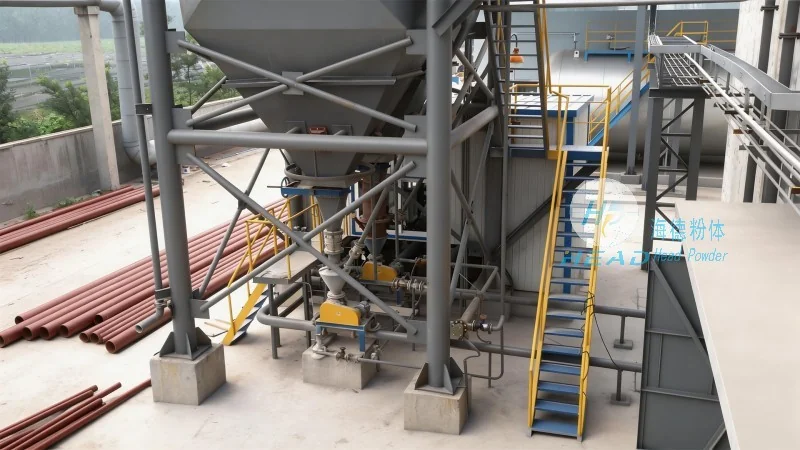
However, negative pressure conveying has limitations when dealing with corn flour, especially in terms of material flow control and dust management. The vacuum can sometimes cause the material to become airborne, leading to increased dust emissions and potential health hazards. Additionally, the system's performance can be affected by changes in material moisture content or particle size, which may result in inconsistent conveying rates. Despite these challenges, negative pressure systems remain a viable option for certain corn flour handling scenarios, particularly in environments where noise and energy efficiency are primary concerns.
Key Differences and Selection Criteria
When comparing positive and negative pressure conveying for corn flour, several factors should be considered to determine the most suitable system. The most important factor is the conveying distance and the layout of the processing plant. Positive pressure systems are generally more efficient for long-distance or complex piping, while negative pressure is better for short distances or when the material is collected from multiple sources. Another critical consideration is the material's properties, such as its density, moisture content, and tendency to agglomerate. Corn flour, being a fine, light powder, may require higher air velocities in positive pressure systems to prevent blockages, whereas negative pressure systems may need additional equipment like pre-screens or air filters to maintain flow.
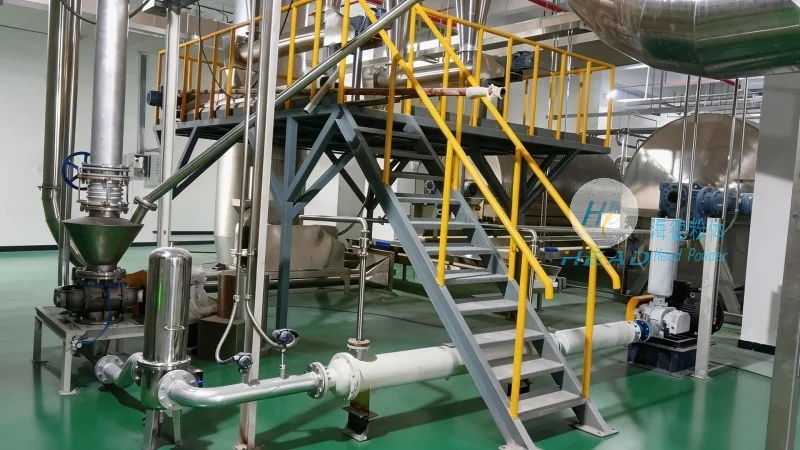
The environmental impact and regulatory requirements also play a significant role in system selection. Positive pressure systems are often preferred in industries with strict dust control regulations, as they minimize emissions and maintain product purity. Negative pressure systems, while more energy-efficient, may require additional filtration systems to comply with environmental standards. The cost of installation and maintenance is another key factor. Positive pressure systems typically have higher initial costs due to the need for air compressors and higher-pressure components, but they offer lower operational costs over time. Negative pressure systems have lower initial costs but may incur higher maintenance expenses due to the wear and tear on vacuum pumps and filters.
Conclusion: Choosing the Right Conveying System for Corn Flour
Both positive pressure and negative pressure pneumatic conveying systems have their place in corn flour handling, and the choice between them depends on the specific operational requirements of the plant. Positive pressure systems offer superior control, efficiency for long distances, and better dust management, making them ideal for large-scale corn flour processing facilities. Negative pressure systems, on the other hand, are more suitable for smaller operations or when energy efficiency and lower initial costs are priorities. Companies like Shandong HeadPowder Engineering Co., Ltd. provide comprehensive solutions, including system design, equipment selection, and installation services, to help businesses optimize their corn flour conveying processes and select the most appropriate technology for their needs. By understanding the advantages and limitations of each system, industrial operators can make informed decisions that enhance productivity, reduce costs, and ensure compliance with industry standards.