HeadPowder, a leading enterprise in the field of material handling technology, specializes in the design, manufacturing, and supply of advanced pneumatic conveying systems. This article provides an overview of the key equipment components and the fundamental structural principles that underpin the operation of such systems, with a focus on the specific applications and technical aspects relevant to the ricedough industry.
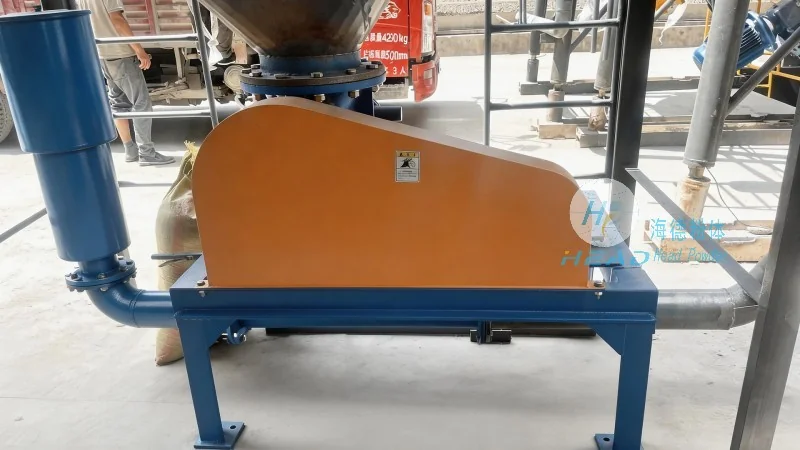
Shandong HeadPowder Engineering Co., Ltd., operating under the brand name HeadPowder, is headquartered in Shandong, China. The company has established itself as a trusted provider of high-quality pneumatic conveying solutions tailored for various industrial sectors, including food processing, pharmaceuticals, and chemical manufacturing. With a commitment to innovation and precision engineering, HeadPowder leverages decades of experience to deliver systems that meet stringent industry standards and operational requirements.
Pneumatic conveying systems are mechanical devices that transport bulk materials through a pipeline using a gas stream, typically air or other gases. These systems are widely used in industries where material handling efficiency, hygiene, and safety are paramount. The core advantage of pneumatic conveying lies in its ability to move materials in a closed system, minimizing dust exposure and contamination risks, which is particularly critical in applications involving food products like ricedough.
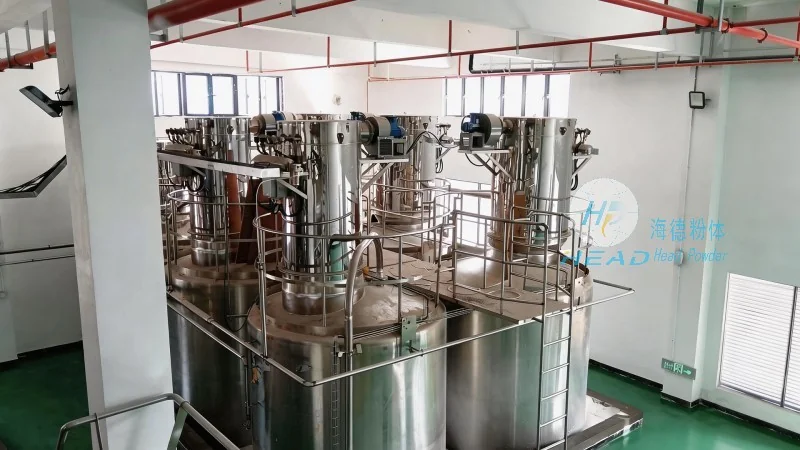
The ricedough pneumatic conveying system consists of several interrelated components, each playing a crucial role in the overall operation. The primary components include the material hopper, feeder, air compressor, conveying line, and dust collector. The material hopper serves as the storage container for the ricedough, ensuring a consistent feed supply. The feeder, often a rotary valve or a screw feeder, regulates the flow of material into the conveying line, maintaining a steady and controlled discharge rate. The air compressor generates the necessary pressure and volume of air to propel the material through the pipeline. The conveying line, typically made of stainless steel or other corrosion-resistant materials, is designed to withstand the pressure and abrasion from the material and air mixture. Finally, the dust collector captures any airborne particles, ensuring compliance with environmental regulations and maintaining a clean working environment.
The structural principles of the pneumatic conveying system are based on the principles of fluid dynamics and material transport. The system operates by creating a pressure differential between the inlet and outlet of the conveying line. The air compressor supplies compressed air, which is introduced into the conveying line at a specific pressure. As the air flows through the line, it entrains the ricedough particles, forming a slurry-like mixture known as a "pneumatic stream." The velocity of the air within the pipeline is maintained above the minimum velocity required to prevent material settling, ensuring continuous and efficient transport. The system's design considers factors such as material density, particle size, and moisture content to optimize the conveying efficiency and minimize energy consumption.
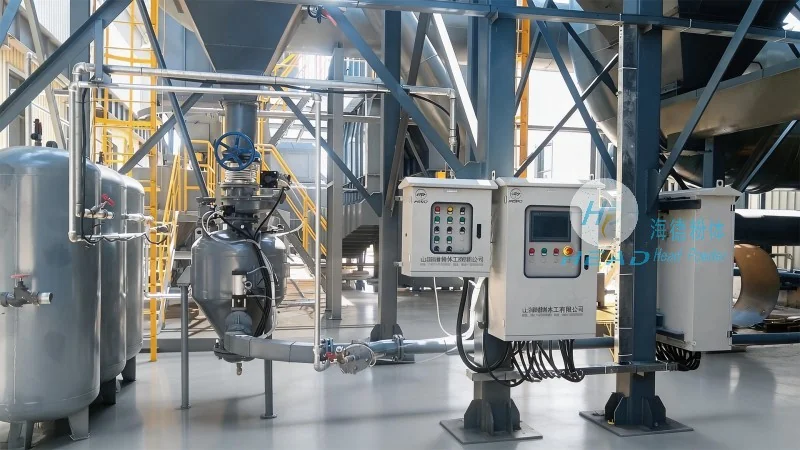
The application of pneumatic conveying systems in the ricedough industry offers several significant advantages. Firstly, the closed system design eliminates the risk of cross-contamination and dust dispersion, which is essential for maintaining food safety standards. Secondly, the system provides high-velocity transport, reducing the time and labor required for material transfer compared to traditional methods like bucket elevators or belt conveyors. Thirdly, the flexibility of pneumatic conveying allows for the integration of multiple processing stages, such as mixing, drying, and packaging, within a single system. These benefits make the ricedough pneumatic conveying system an ideal solution for modern food processing facilities seeking to enhance operational efficiency and product quality.
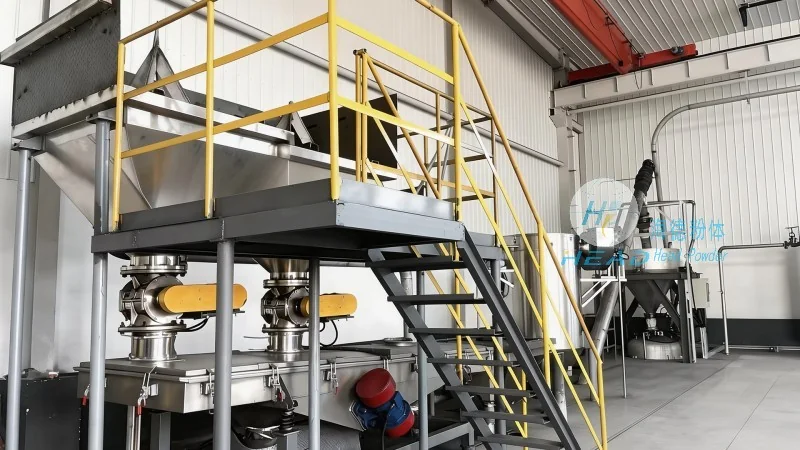
Proper design and maintenance of the pneumatic conveying system are critical to ensure optimal performance and longevity. Technical considerations include selecting the appropriate air compressor capacity based on the material's characteristics and conveying distance. The conveying line diameter and length must be carefully calculated to maintain the required air velocity and pressure. Regular maintenance, such as cleaning the dust collector, checking the air compressor for wear, and inspecting the feeder for blockages, is essential to prevent system downtime and maintain efficiency. HeadPowder provides comprehensive support, including technical guidance and maintenance services, to ensure that clients can maximize the operational benefits of their pneumatic conveying systems.
In conclusion, the ricedough pneumatic conveying system, as exemplified by the solutions offered by Shandong HeadPowder Engineering Co., Ltd., represents a sophisticated and efficient approach to material handling in the food processing industry. By understanding the structural principles and key equipment components, users can appreciate the technological advancements that enable safe, hygienic, and high-performance material transport. With a focus on quality and innovation, HeadPowder continues to deliver reliable pneumatic conveying systems that meet the evolving needs of the ricedough and related industries.

 Shandong Headpowder Engineering Co., Ltd.
 156-6277-7102(Manager Zhang)
  0531-83386006
  Jinan City, Shandong Province, China
telephone
WeChatconsult
top