Refractory powder conveying systems are critical components in industrial processes that handle high-temperature materials, such as those used in the production of ceramics, steel, and glass. These systems are designed to efficiently transport refractory powders from storage to processing equipment while maintaining material integrity and safety. The following overview details the key structural elements and operational principles of such systems, highlighting the technology developed by Shandong HeadPowder Engineering Co., Ltd., a leading manufacturer in the field.
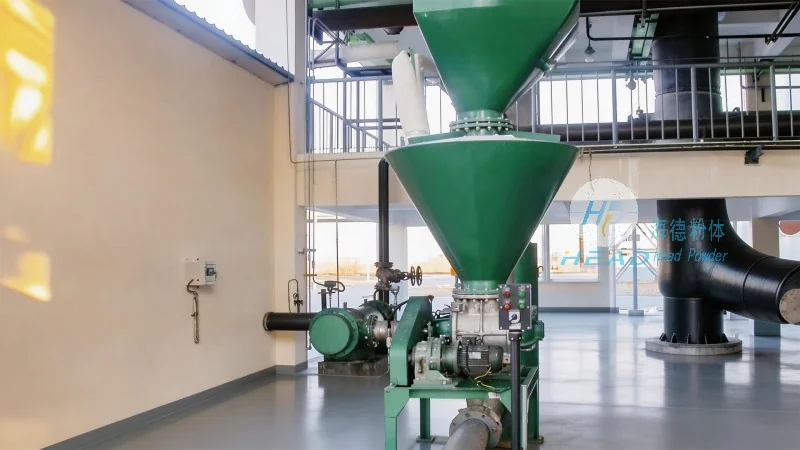
The core structure of a refractory powder conveying system typically includes several interconnected components that work in tandem to ensure reliable material transport. The primary elements are:
Each component is engineered to withstand the harsh conditions associated with refractory materials, including high temperatures, abrasive properties, and chemical resistance. The use of high-quality materials, such as stainless steel and special alloys, ensures durability and longevity of the system.
The operational principle of a refractory powder conveying system is based on the pneumatic transport of particles. When the system is activated, compressed air is introduced into the storage hopper, creating a pressure differential that draws the powder into the conveying line. The air and powder mixture then travels through the pipeline at high velocity, with the powder suspended in the air stream. As the mixture moves, it passes through any necessary processing or mixing equipment before being deposited at the destination point.
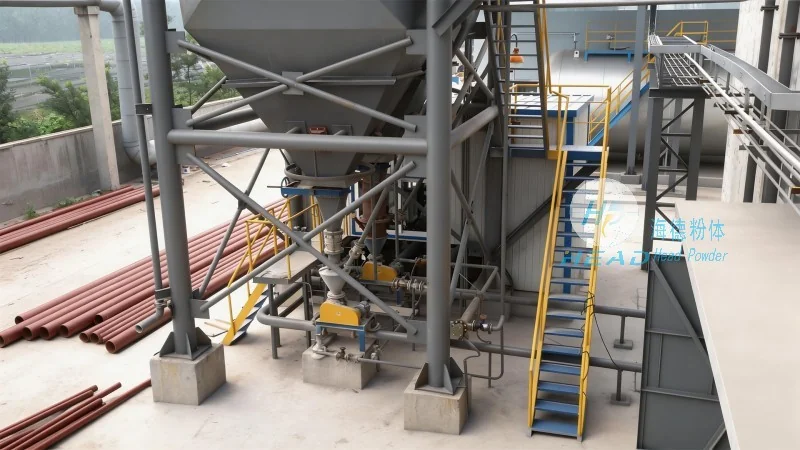
Key factors that influence the efficiency of the system include the particle size and density of the refractory material, the air pressure and flow rate, and the length and diameter of the conveying line. Shandong HeadPowder Engineering Co., Ltd. has optimized these parameters through extensive research and development, resulting in systems that deliver consistent performance even with challenging materials.
Modern refractory powder conveying systems offer several advantages over traditional methods, such as bucket elevators or belt conveyors. These include:
These benefits make refractory powder conveying systems an ideal choice for industries where material quality and process reliability are paramount.
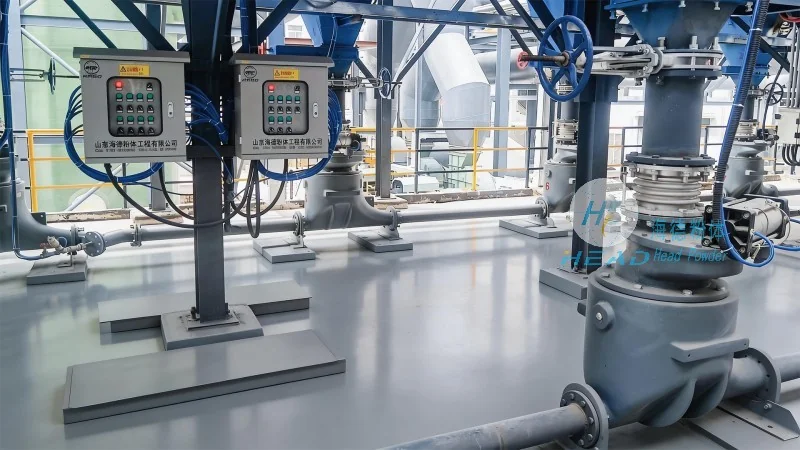
Refractory powder conveying systems are widely used in various industrial applications, including:
In each of these applications, the system ensures that refractory powders are delivered to the processing equipment in a controlled and efficient manner, supporting high-quality production outcomes.
Refractory powder conveying systems, as exemplified by the solutions from Shandong HeadPowder Engineering Co., Ltd., represent a sophisticated and reliable technology for handling high-temperature materials. By understanding the structural components and operational principles, industries can select and implement systems that meet their specific needs, ensuring optimal performance and safety in material transport processes.

 Shandong Headpowder Engineering Co., Ltd.
 156-6277-7102(Manager Zhang)
  0531-83386006
  Jinan City, Shandong Province, China
telephone
WeChatconsult
top