

[CUSTOM LIMESTONE POWDER CONVEYING METHODS: AN OVERVIEW OF LIMESTONE CALCINING POWDER PNEUMATIC CONVEYING]
When it comes to transporting limestone calcining powder, selecting the right conveying method is crucial for ensuring efficiency, safety, and cost-effectiveness in industrial operations. Limestone calcining powder, also known as quicklime or calcium oxide, is widely used in various industries such as construction, chemical manufacturing, and environmental treatment. The properties of this powder, including its fine particle size and reactivity, make traditional conveying methods challenging. This article explores common limestone powder conveying methods, with a focus on the advantages and applications of pneumatic conveying systems.
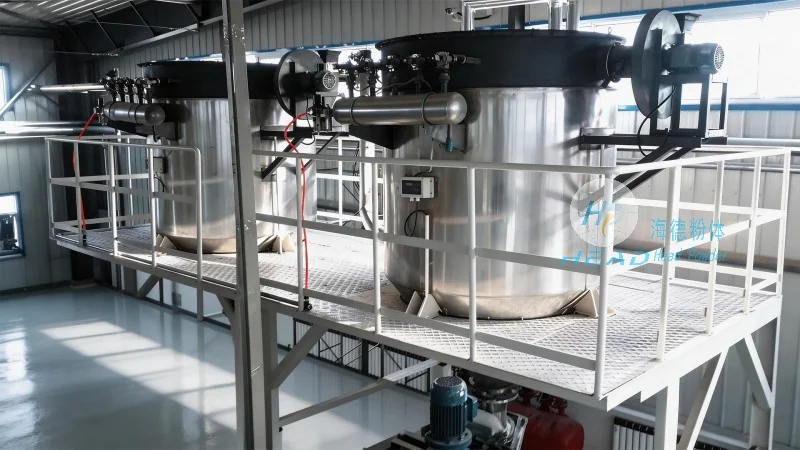
Limestone Calcining Powder Pneumatic Conveying: An Overview
Pneumatic conveying, or air-assisted conveying, is a popular method for transporting limestone calcining powder due to its ability to handle fine powders and provide a closed system that minimizes dust emissions. The process involves using compressed air to move the powder through a pipeline from the source to the destination. This method is particularly effective for applications requiring long-distance or high-volume transport, as it can handle both dilute and dense phase conveying, depending on the system design.
Key Components of a Limestone Calcining Powder Pneumatic Conveying System
A typical pneumatic conveying system for limestone calcining powder consists of several key components. These include a powder feeder to control the flow rate, a blower or compressor to generate the necessary air pressure, a pipeline network to transport the powder, and a receiver or silo to store the material at the destination. Additionally, filters and dust collectors are essential to maintain air quality and comply with environmental regulations. The system design is tailored to the specific characteristics of the limestone calcining powder, such as particle size distribution, moisture content, and bulk density, to ensure optimal performance.
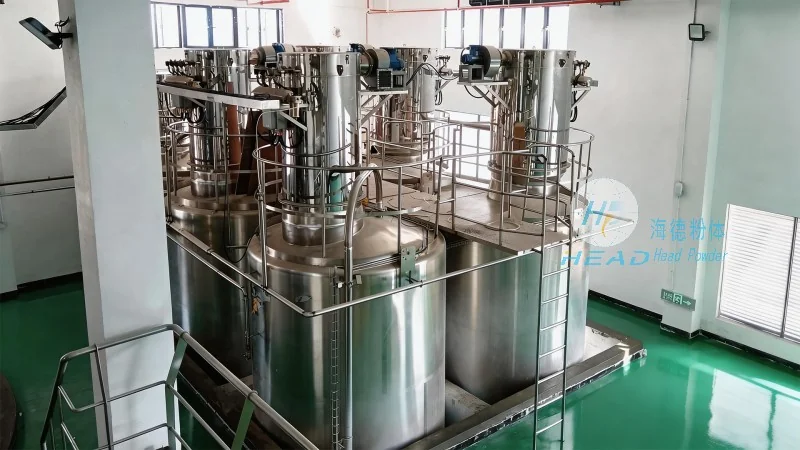
Advantages of Pneumatic Conveying for Limestone Calcining Powder
There are several advantages to using pneumatic conveying for limestone calcining powder. First, it offers a dust-free operation, which enhances workplace safety and reduces the risk of respiratory issues for workers. Second, the closed system prevents contamination from external sources and minimizes product loss. Third, pneumatic conveying systems can be easily integrated with other processing equipment, such as reactors or mixers, to streamline production workflows. Finally, this method is highly flexible, allowing for changes in transport distance or volume without significant modifications to the system.
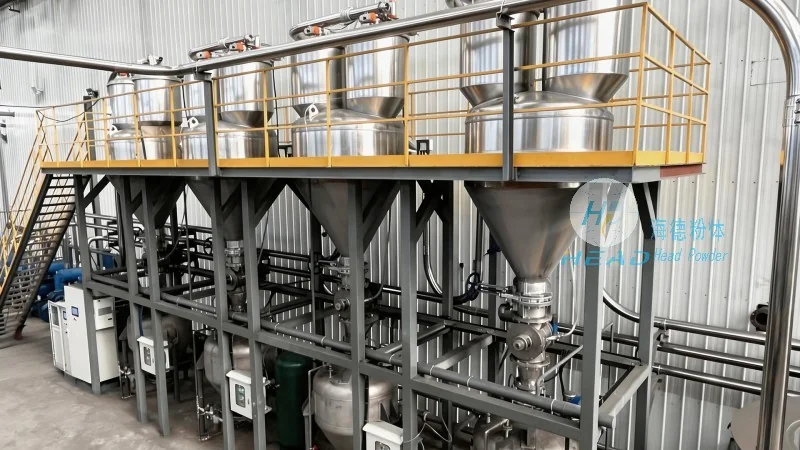
Applications of Limestone Calcining Powder Pneumatic Conveying
Limestone calcining powder pneumatic conveying is widely used in various industrial applications. In the construction industry, it is used to transport quicklime for cement production and lime mortar preparation. In the chemical industry, it is utilized in the production of calcium-based chemicals, such as calcium chloride and calcium carbonate. Additionally, in environmental applications, pneumatic conveying is employed to transport lime for flue gas desulfurization and water treatment processes. The versatility of the system makes it suitable for both small-scale and large-scale operations, from laboratory settings to industrial plants.
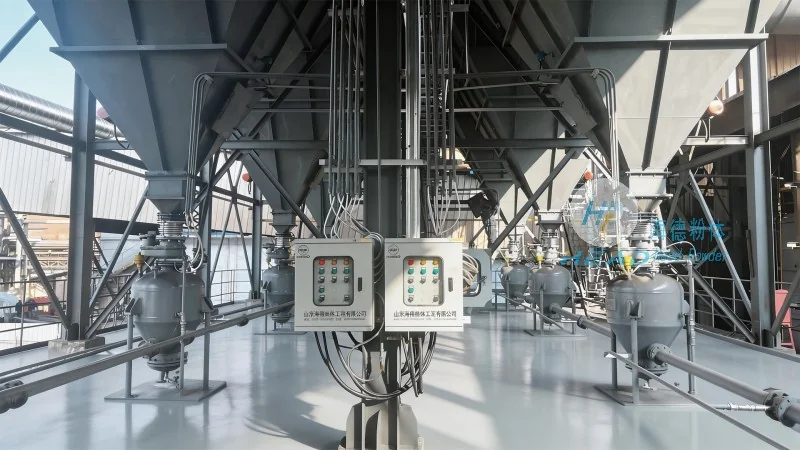
Considerations for Selecting a Limestone Calcining Powder Conveying Method
When choosing a conveying method for limestone calcining powder, several factors should be considered. The first is the distance and volume of material to be transported. For short distances and low volumes, other methods like screw conveyors or belt conveyors may be more cost-effective. However, for long distances or high volumes, pneumatic conveying is often the preferred choice due to its efficiency and reliability. Another factor is the need for dust control and environmental compliance. Pneumatic conveying systems provide better dust containment compared to open systems, making them suitable for applications where air quality is a concern. Finally, the cost of equipment and maintenance should be evaluated. While pneumatic systems may have higher initial costs, their long-term operational efficiency and reduced downtime can lead to overall cost savings.
Conclusion
In conclusion, pneumatic conveying is a highly effective method for transporting limestone calcining powder, offering numerous advantages over traditional conveying systems. The closed system, dust-free operation, and flexibility make it suitable for a wide range of industrial applications. As a professional manufacturer, Shandong HeadPowder Engineering Co., Ltd. specializes in providing customized pneumatic conveying solutions tailored to the specific needs of clients. With our expertise in limestone calcining powder handling, we help industries optimize their material transport processes, ensuring efficiency, safety, and compliance with industry standards. Whether you are in the construction, chemical, or environmental sector, our pneumatic conveying systems can enhance your production capabilities and contribute to your operational success.