

Aluminum Hydroxide Pneumatic Conveying: An Efficient and Environmentally Friendly Material Handling Solution
Aluminum hydroxide, a widely used chemical compound in various industrial applications, often requires efficient and reliable transportation methods for its handling. Traditional material handling systems may face challenges such as dust pollution, equipment wear, and operational inefficiencies. Pneumatic conveying technology offers a modern solution that addresses these issues while ensuring high performance and environmental compliance.
Understanding Pneumatic Conveying for Aluminum Hydroxide
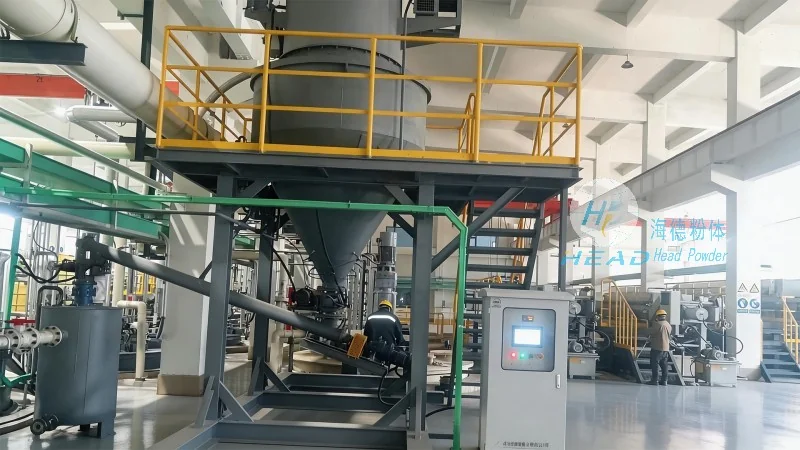
Pneumatic conveying is a method of transporting bulk materials, including powders and granules, using a stream of air or other gas. This technology is particularly suitable for aluminum hydroxide due to its fine particle size and sensitivity to handling conditions. The system typically consists of a hopper, a conveyor line, and a receiver, with the material being carried by the air flow through a pipeline. Compared to mechanical conveying systems, pneumatic conveying provides several advantages, including reduced dust generation, lower maintenance requirements, and the ability to transport materials over longer distances without the need for multiple transfer points.
Efficiency and Environmental Benefits
One of the key advantages of pneumatic conveying for aluminum hydroxide is its efficiency in material transport. The system can handle high volumes of material with minimal downtime, improving overall production throughput. Additionally, the enclosed nature of the conveying system significantly reduces dust emissions, contributing to a cleaner working environment and compliance with environmental regulations. This is particularly important for aluminum hydroxide, which, when exposed to air, can generate fine particles that pose health and safety risks if not properly contained.
Environmental Considerations and Compliance
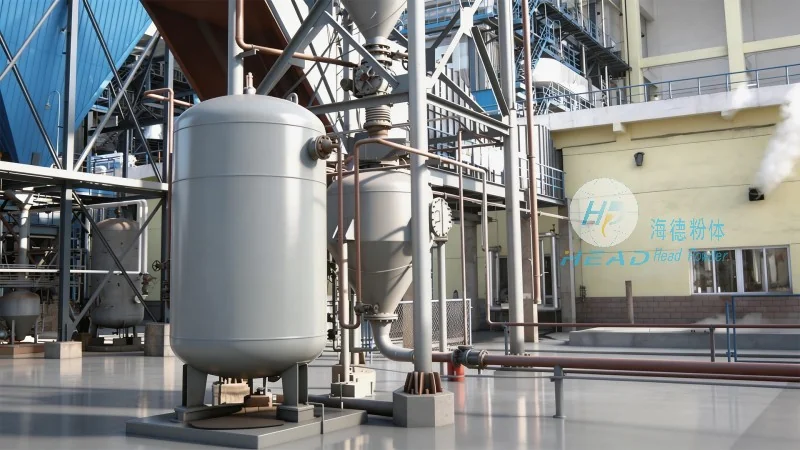
In today's industrial landscape, environmental sustainability is a critical factor for material handling solutions. Pneumatic conveying systems for aluminum hydroxide are designed to minimize environmental impact. The enclosed pipeline system prevents dust from escaping into the atmosphere, reducing air pollution and protecting both workers and the surrounding environment. Furthermore, the energy efficiency of modern pneumatic conveying systems, often achieved through optimized air flow and pressure control, contributes to lower operational costs and reduced carbon footprint. These features make pneumatic conveying an environmentally friendly choice for industries that prioritize sustainability without compromising on performance.
HeadPowder Engineering: Expertise in Pneumatic Conveying Solutions
Shandong HeadPowder Engineering Co., Ltd. is a leading provider of advanced material handling solutions, specializing in the design and implementation of pneumatic conveying systems tailored to the needs of aluminum hydroxide and other similar materials. With years of experience in the industry, HeadPowder has developed a deep understanding of the unique challenges associated with handling aluminum hydroxide, including its particle characteristics, handling sensitivity, and environmental requirements. The company's team of experts works closely with clients to assess their specific operational needs, from production scale and material properties to environmental regulations and space constraints, to design customized pneumatic conveying systems that deliver optimal performance and reliability.

Customized System Design and Implementation
HeadPowder Engineering offers comprehensive services for the design, installation, and commissioning of pneumatic conveying systems. The company's approach to system design emphasizes flexibility and adaptability, ensuring that the final solution meets the exact requirements of each client. This includes selecting the appropriate type of pneumatic conveying system—such as dilute-phase or dense-phase conveying—based on the material's properties and the desired transport characteristics. For aluminum hydroxide, dilute-phase conveying is often preferred due to its ability to handle fine powders efficiently and maintain low pressure differentials. The system design also considers factors like air velocity, pipeline diameter, and pressure drop to ensure smooth and continuous material flow. HeadPowder's engineers use advanced simulation tools and industry best practices to optimize the system design, minimizing energy consumption and maximizing material throughput.
Reliability and Maintenance Support
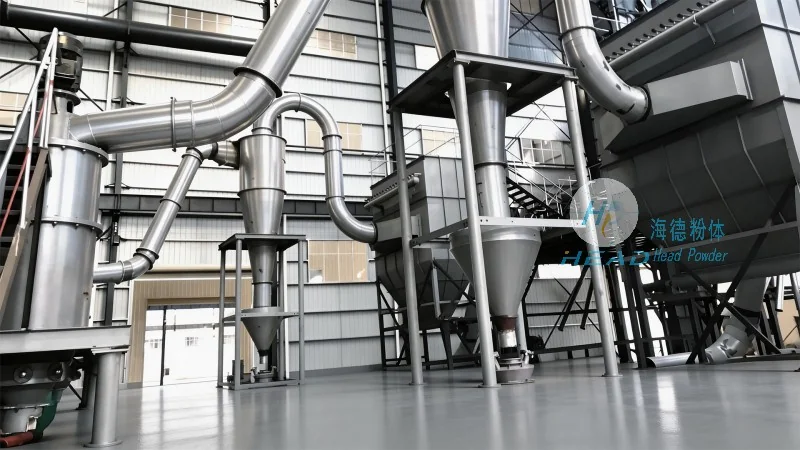
Reliability is a top priority for HeadPowder Engineering, as it directly impacts the operational efficiency and cost-effectiveness of the pneumatic conveying system. The company designs its systems with high-quality components and robust construction to withstand the demands of continuous operation with aluminum hydroxide. Regular maintenance is also a key aspect of ensuring system longevity and performance. HeadPowder provides comprehensive maintenance services, including routine inspections, component replacement, and system upgrades, to keep the pneumatic conveying system operating at peak efficiency. This proactive approach to maintenance helps minimize downtime and reduces the risk of material handling disruptions, ensuring consistent production output and customer satisfaction.
Conclusion: A Sustainable and Efficient Solution
Aluminum hydroxide pneumatic conveying represents a significant advancement in material handling technology, offering a combination of efficiency, environmental friendliness, and reliability. By leveraging the expertise of companies like Shandong HeadPowder Engineering Co., Ltd., industries can implement advanced pneumatic conveying systems that not only improve their operational performance but also contribute to a more sustainable and compliant manufacturing process. With its ability to handle fine powders, reduce dust emissions, and operate efficiently, pneumatic conveying is an ideal solution for the transportation of aluminum hydroxide, supporting the growth and success of industries that rely on this critical material.