

Advantages and Disadvantages of Negative Pressure and Positive Pressure Pneumatic Conveying for Sili
When it comes to the pneumatic conveying of silicon dioxide, two primary methods are widely used: negative pressure conveying and positive pressure conveying. Each method has its own set of advantages and disadvantages, which can significantly impact the efficiency, cost, and safety of the material handling process. Understanding these differences is crucial for selecting the most suitable approach for specific industrial applications.
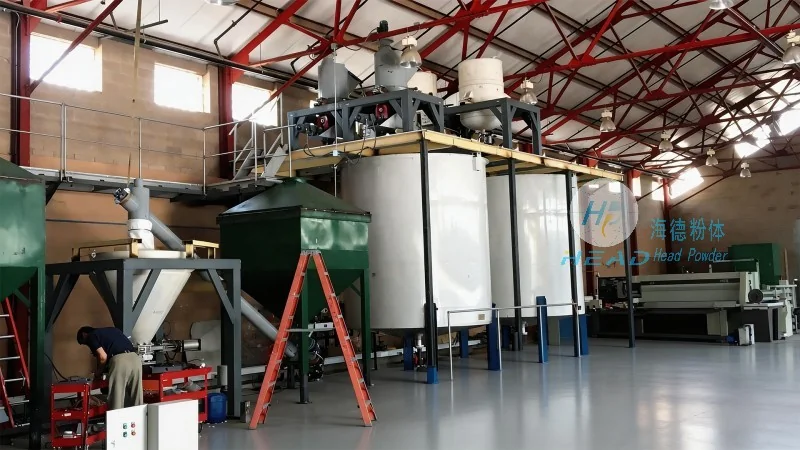
Negative Pressure Pneumatic Conveying: Key Features and Considerations
Negative pressure conveying, also known as suction conveying, operates by creating a vacuum at the material inlet to draw the material into the conveying line. This method is often favored for its relatively simple and cost-effective equipment setup. The primary advantage of negative pressure systems lies in their straightforward design, which typically involves a single fan or vacuum pump and a relatively simple piping system. This simplicity translates into lower initial investment costs and easier maintenance compared to positive pressure systems. Additionally, negative pressure conveying is well-suited for short to medium-distance transport and low to medium material concentrations. The low pressure environment also reduces the risk of dust leakage and explosion hazards, making it a safer option for certain applications.
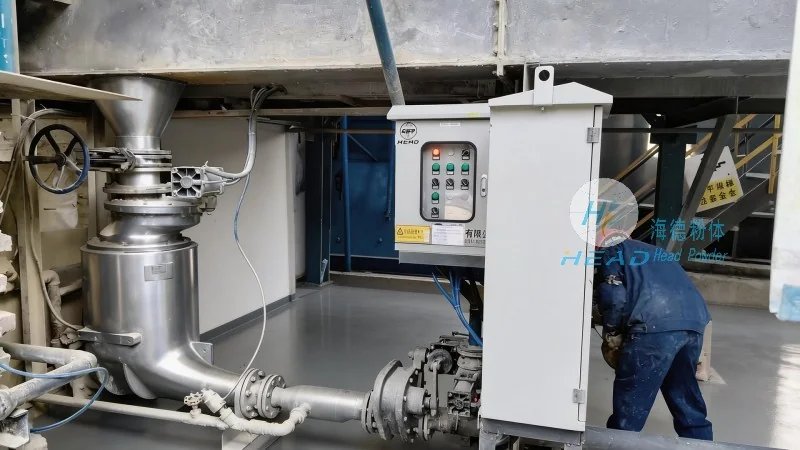
However, negative pressure conveying has notable limitations. The most significant drawback is its restricted conveying distance. Due to the vacuum created, the material can only be transported over relatively short distances, typically ranging from a few meters to a few hundred meters, depending on the system design and material properties. This limitation makes negative pressure less suitable for long-distance transport. Another drawback is the lower material concentration achievable compared to positive pressure systems. The suction process inherently limits the amount of material that can be drawn into the line at any given time, resulting in lower throughput rates. Furthermore, negative pressure systems may be more susceptible to blockages and clogging, especially with fine or cohesive materials like silicon dioxide, which can lead to operational disruptions and increased downtime.
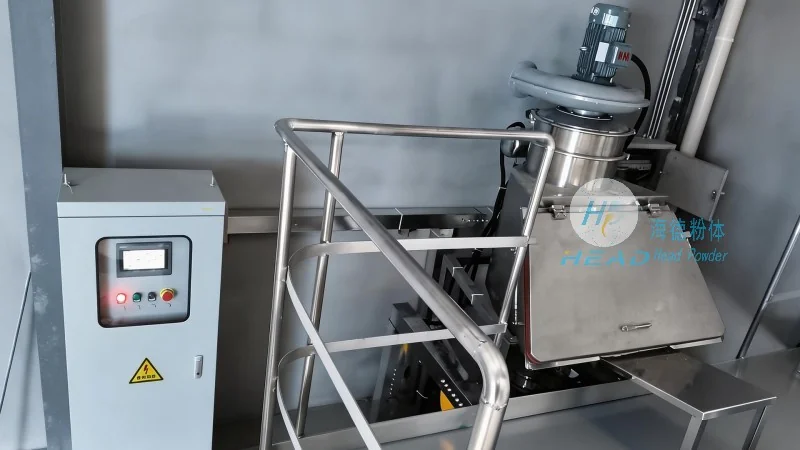
Positive Pressure Pneumatic Conveying: Advantages and Challenges
Positive pressure conveying, or pressure conveying, works by forcing air or gas through the material to push it along the conveying line. This method is commonly used for long-distance and high-concentration material transport. One of the main advantages of positive pressure systems is their ability to achieve much longer conveying distances, often exceeding several kilometers, with high material concentrations. The pressurized environment allows for efficient transport of large volumes of material, making it ideal for applications requiring high throughput. Positive pressure conveying also offers better control over material flow and can handle a wider range of material types, including abrasive or corrosive materials, with appropriate equipment modifications.
Despite these benefits, positive pressure conveying comes with higher costs and more complex operational requirements. The equipment needed, such as high-pressure blowers or compressors, is more expensive to purchase and maintain compared to the vacuum pumps used in negative pressure systems. The piping system must also be robust and capable of withstanding higher pressures, which adds to the overall investment. Additionally, positive pressure systems require more rigorous maintenance and monitoring to ensure proper pressure control and prevent leaks. The higher pressure environment also increases the risk of dust explosion hazards, necessitating the implementation of explosion-proof measures and proper dust collection systems. Furthermore, the higher material concentration in positive pressure systems can lead to increased wear and tear on equipment components, such as elbows and filters, which may require more frequent replacement and maintenance.
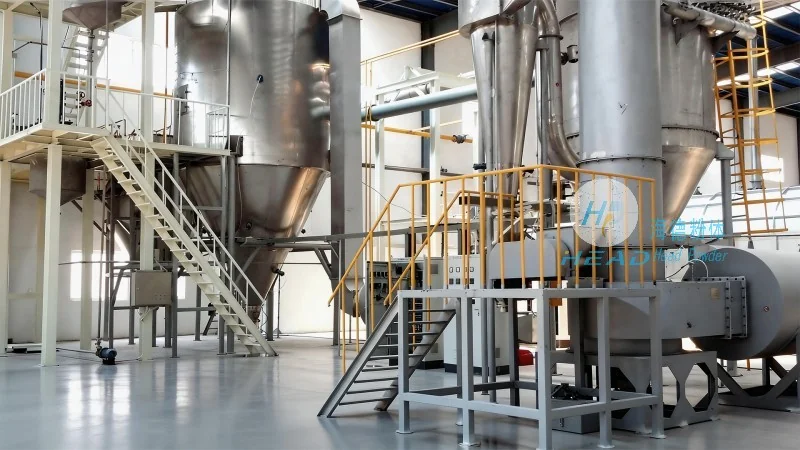
Company Information: HeadPowder - Shandong HeadPowder Engineering Co., Ltd.
For industrial solutions related to pneumatic conveying systems, including both negative and positive pressure applications for silicon dioxide, Shandong HeadPowder Engineering Co., Ltd. offers specialized expertise and equipment. HeadPowder, a leading provider in the field, leverages years of experience to deliver tailored solutions that meet the unique demands of various industrial sectors. With a focus on efficiency, safety, and cost-effectiveness, HeadPowder's engineering team designs and manufactures pneumatic conveying systems that optimize material transport while minimizing operational risks. The company's facilities are located in Shandong, China, where it continues to innovate and provide high-quality services to clients worldwide.