

Comparing the Advantages and Disadvantages of Negative Pressure and Positive Pressure Pneumatic Conv
Beer brewery sludge, a byproduct of the brewing process, requires efficient and reliable handling methods to ensure proper disposal and resource recovery. Pneumatic conveying is a widely adopted technique for transporting these sludges, offering a non-contact, hygienic, and flexible solution. Two primary approaches dominate this field: negative pressure (suction) and positive pressure (blowing) systems. Understanding the pros and cons of each is crucial for selecting the optimal system for specific brewery operations.
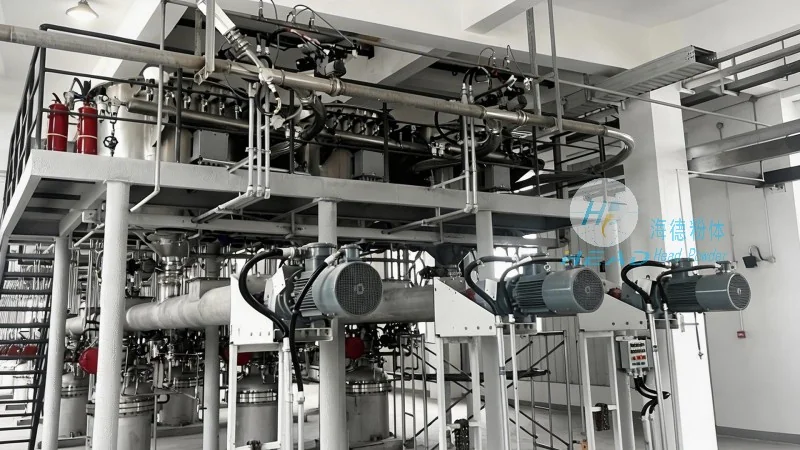
HeadPowder Engineering: Expertise in Pneumatic Conveying Solutions
Shandong HeadPowder Engineering Co., Ltd., a leading provider of industrial conveying systems, specializes in designing and manufacturing tailored solutions for challenging applications like beer brewery sludge. With a focus on durability, efficiency, and compliance with industry standards, HeadPowder delivers customized pneumatic conveying systems that meet the unique demands of breweries worldwide. The company’s expertise lies in integrating advanced technology with practical engineering to address the complexities of sludge handling, ensuring long-term performance and minimal downtime.
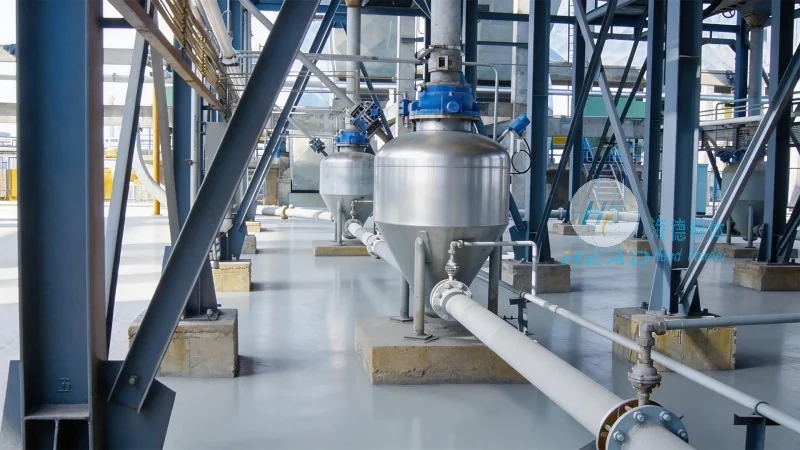
Negative Pressure Pneumatic Conveying: Advantages and Considerations
Negative pressure systems operate by creating a vacuum at the receiving end, drawing material from the source to the destination. This approach offers several benefits for beer brewery sludge transport. Firstly, it minimizes product degradation, as the material is not subjected to high pressure or friction, preserving the integrity of the sludge. Secondly, negative pressure systems are generally quieter and less intrusive, reducing noise pollution in the brewery environment. Additionally, they can handle a wider range of particle sizes and moisture content, making them suitable for diverse sludge compositions. However, negative pressure systems have limitations, particularly when dealing with long or complex conveying lines. The vacuum created may lead to higher energy consumption, as more power is required to maintain the suction. Furthermore, the system is more susceptible to blockages if the sludge contains large or fibrous particles, potentially causing operational disruptions.
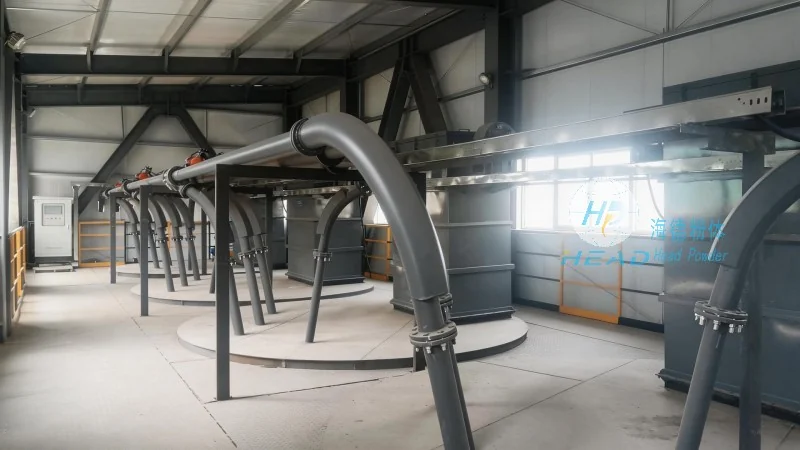
Positive Pressure Pneumatic Conveying: Advantages and Considerations
Positive pressure systems, conversely, use compressed air to push material through the conveying line. This method is often preferred for shorter distances or when the sludge is more viscous. The primary advantage of positive pressure is its ability to handle longer distances with less energy consumption compared to negative pressure systems. It also provides better control over the flow rate and pressure, allowing for precise regulation of the conveying process. Positive pressure systems are generally more robust against blockages, as the compressed air can dislodge particles that might clog the line. However, they may cause more wear and tear on the equipment due to the higher pressure and friction. Additionally, the system can generate more noise and may require more maintenance to ensure the air compressor operates efficiently. For beer brewery sludge, positive pressure is particularly effective when the sludge is thick or contains larger solids, as the high pressure helps maintain flow.
Key Factors in Choosing Between Negative and Positive Pressure Systems
The decision between negative and positive pressure pneumatic conveying for beer brewery sludge depends on several critical factors. The distance between the source and destination is a primary consideration; negative pressure is better suited for longer runs, while positive pressure is ideal for shorter distances. The sludge composition, including particle size, moisture content, and viscosity, also plays a significant role. For example, if the sludge is dry and contains fine particles, negative pressure may be more effective. Conversely, if the sludge is thick and contains larger solids, positive pressure is preferable. Operational costs, including energy consumption and maintenance requirements, must also be evaluated. Negative pressure systems may have higher energy costs but lower maintenance, while positive pressure systems may have lower energy costs but higher maintenance. Finally, the brewery’s specific space constraints and noise regulations should be considered, as negative pressure systems are generally quieter and more space-efficient.
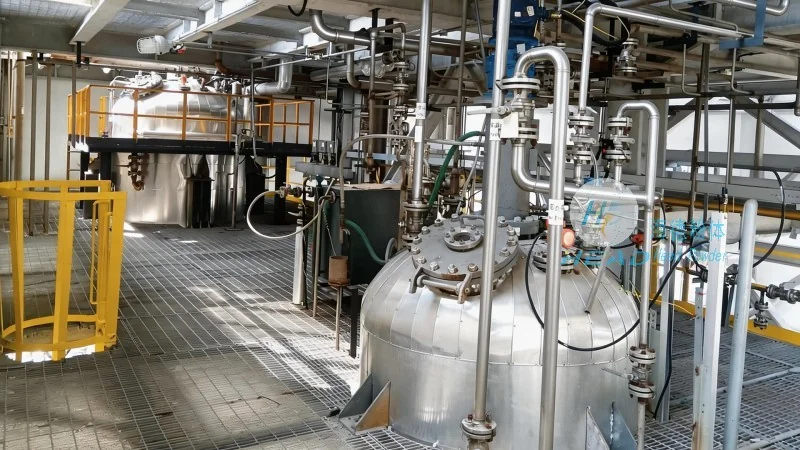
Conclusion: Selecting the Right Pneumatic Conveying System for Your Brewery
Choosing between negative and positive pressure pneumatic conveying for beer brewery sludge requires a thorough analysis of operational needs, sludge characteristics, and cost implications. Both systems offer unique advantages and limitations, and the optimal choice depends on the specific requirements of the brewery. Shandong HeadPowder Engineering Co., Ltd. provides expert consultation and customized solutions to help breweries select and implement the most suitable pneumatic conveying system. By leveraging their experience and advanced technology, breweries can enhance sludge handling efficiency, reduce operational costs, and ensure compliance with environmental regulations. Whether opting for negative or positive pressure, HeadPowder’s solutions are designed to deliver reliable, efficient, and long-lasting performance, supporting the sustainable operation of modern breweries.