

Advantages and Disadvantages of Negative Pressure vs. Positive Pressure Conveying for Biomass Pellet
Biomass pellets serve as a vital renewable energy source, and efficient conveying is essential for their handling and transportation. The selection between negative pressure and positive pressure systems in pellet conveying significantly impacts operational efficiency, cost, and environmental considerations. This article provides a detailed comparison of the advantages and disadvantages of negative pressure versus positive pressure conveying for biomass pellets.
Understanding Negative Pressure Conveying
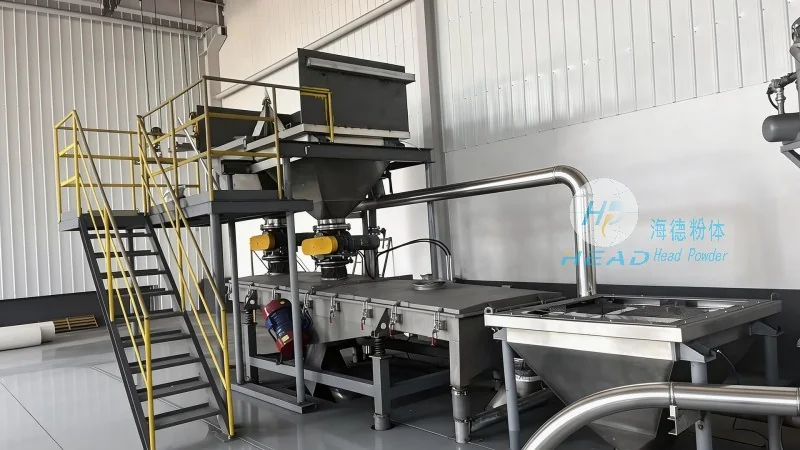
Negative pressure conveying, also known as suction conveying, operates by creating a low-pressure zone that draws material into the system. This method is often preferred for applications requiring long-distance or high-rise conveying, as it can handle longer pipelines without substantial pressure losses. The primary mechanism involves a vacuum pump that pulls material from the source, moving it through the pipeline to the destination.
One of the key advantages of negative pressure systems is their ability to handle fine or dusty materials without the risk of particle degradation. The low pressure environment minimizes friction and abrasion, preserving the quality of the biomass pellets. Additionally, negative pressure conveying is generally more energy-efficient for shorter distances, as it requires less power to maintain the vacuum compared to positive pressure systems.
However, negative pressure systems have notable drawbacks. The main limitation is the maximum conveying distance, which is typically limited to around 100-150 meters due to the pressure drop in the pipeline. Beyond this range, the system becomes inefficient and may require additional vacuum pumps or booster stations, increasing complexity and cost. Another disadvantage is the risk of air leakage, which can lead to material loss and reduced efficiency. Furthermore, negative pressure conveying may not be suitable for abrasive or high-density materials, as the vacuum can cause wear on the system components over time.
Exploring Positive Pressure Conveying
Positive pressure conveying, or pressure conveying, works by forcing material through the pipeline using a blower or compressor. This method is ideal for longer distances and higher material flow rates, as it can maintain consistent pressure throughout the system. The material is pushed from the source to the destination, ensuring a continuous flow without the need for vacuum pumps.
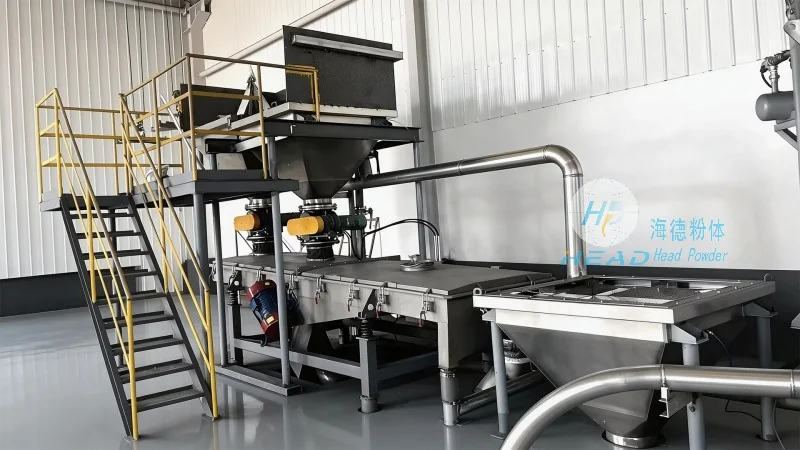
A major advantage of positive pressure systems is their ability to handle longer conveying distances, often up to 500 meters or more, depending on the system design and material properties. This makes them suitable for large-scale industrial applications where material needs to be transported over significant distances. Additionally, positive pressure conveying is more effective for abrasive or high-density materials, as the high pressure reduces wear on the pipeline and components. The system also provides better control over the material flow rate, allowing for precise regulation of the conveying process.
Despite these benefits, positive pressure conveying has its own set of challenges. The primary drawback is higher energy consumption compared to negative pressure systems, especially for long-distance conveying. The continuous operation of the blower or compressor requires more power, increasing operational costs. Another disadvantage is the potential for material degradation due to friction and abrasion, particularly with fine or delicate biomass pellets. Additionally, positive pressure systems may be more complex to install and maintain, as they require robust components to withstand high pressures and abrasive materials.
Comparative Analysis: Negative Pressure vs. Positive Pressure
When comparing negative and positive pressure conveying for biomass pellets, several factors must be considered to determine the most suitable system. The choice depends on the specific application requirements, including conveying distance, material characteristics, and operational budget.
For short-distance conveying of fine or delicate biomass pellets, negative pressure systems are often more economical and efficient. They offer lower energy consumption and better material preservation, making them ideal for applications such as small-scale biomass processing or short-distance transportation. However, for longer distances or high-volume conveying, positive pressure systems provide better performance and reliability.
Material properties play a critical role in the decision-making process. Negative pressure is preferred for materials that are prone to degradation or require minimal friction, while positive pressure is more suitable for abrasive or high-density materials. The system's complexity and maintenance requirements also influence the choice, as negative pressure systems are generally simpler and easier to maintain compared to positive pressure systems.
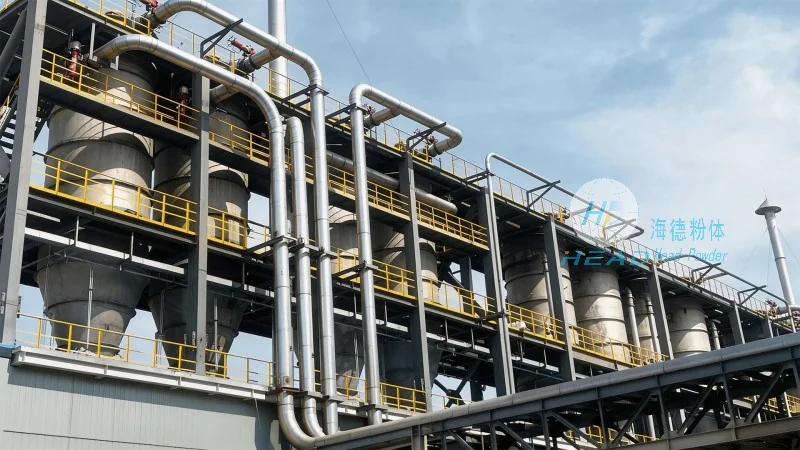
Cost is another significant factor. Negative pressure systems have lower initial and operational costs for short distances, while positive pressure systems may have higher upfront costs but lower long-term maintenance expenses due to their durability and longer lifespan. The choice ultimately balances the trade-offs between efficiency, cost, and material handling requirements.
About HeadPowder: Your Biomass Conveying Solutions Partner
HeadPowder, a leading provider of engineering solutions for biomass processing, specializes in designing and manufacturing efficient conveying systems tailored to the needs of the biomass industry. With years of experience in the field, HeadPowder understands the unique challenges of biomass pellet handling and offers customized solutions that optimize performance and reduce operational costs.
Our team of experts works closely with clients to assess their specific requirements, including conveying distance, material characteristics, and budget constraints. We provide comprehensive consultations and tailored designs that ensure the selected system meets all operational and environmental standards. HeadPowder's commitment to quality and innovation ensures that our clients receive reliable, efficient, and cost-effective conveying solutions that enhance their overall productivity.
With a focus on sustainability and efficiency, HeadPowder's products are designed to minimize energy consumption and environmental impact while maximizing material throughput. Our systems are built to withstand the rigors of biomass processing, ensuring long-term performance and durability. Whether you need a negative pressure or positive pressure conveying system, HeadPowder provides the expertise and technology to meet your biomass handling needs.