

Advantages and Disadvantages Comparison of Negative Pressure and Positive Pressure Conveying for Pet
When it comes to the pneumatic conveying of petroleum coke powder, selecting the appropriate conveying method is critical for ensuring operational efficiency, safety, and cost-effectiveness in industrial settings. Two primary approaches are widely utilized: negative pressure conveying and positive pressure conveying. Each method presents distinct advantages and disadvantages that must be carefully weighed based on specific operational requirements and material characteristics. This article provides a detailed comparison of negative pressure and positive pressure conveying systems for petroleum coke powder, highlighting their key features, benefits, and potential drawbacks.
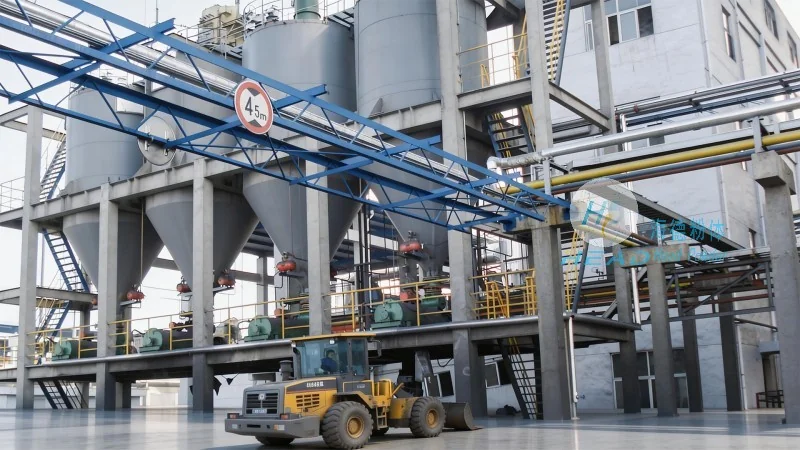
Negative Pressure Conveying: Advantages and Key Features
Negative pressure conveying, also known as suction conveying, operates by creating a low-pressure environment at the material intake point. This method draws material into the system using a vacuum or suction force. A primary advantage of negative pressure conveying is its ability to prevent dust emissions and material spillage during the intake process. By drawing material from the source, it minimizes the risk of dust being released into the surrounding environment, which is especially important in applications with strict air quality regulations or where material safety is a priority. Additionally, negative pressure systems are often more energy-efficient compared to positive pressure systems, as they rely on natural suction rather than high-pressure blowers. This can lead to lower operational costs and reduced energy consumption over time. Another key benefit is the flexibility of negative pressure conveying, which allows for material collection from multiple sources or elevated locations without complex infrastructure. The system can effectively handle materials with varying particle sizes and moisture content, making it suitable for a wide range of petroleum coke powder applications.
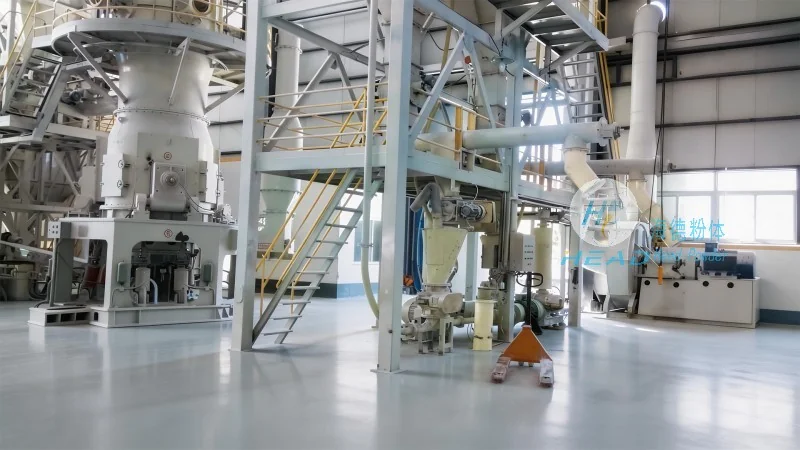
Positive Pressure Conveying: Advantages and Key Features
Positive pressure conveying, or pressure conveying, works by forcing air or gas through the material at a higher pressure than the surrounding environment. This method pushes material through the system using a blower or compressor. One of the main advantages of positive pressure conveying is its high material throughput capacity. It can handle larger volumes of material at a faster rate, making it ideal for high-production industrial settings where efficiency is paramount. The system is also less susceptible to clogging compared to negative pressure systems, as the high-pressure air helps break up agglomerates and maintain consistent material flow. Positive pressure conveying is particularly effective for long-distance or high-rise applications, as the pressure can be maintained throughout the entire conveying line without significant loss. Another benefit is the ability to use positive pressure systems for material transfer in enclosed or controlled environments, such as processing plants where dust containment is essential. However, it is important to note that positive pressure systems may require more robust equipment and higher maintenance due to the higher pressure and air flow requirements.
Comparison of Negative and Positive Pressure Conveying for Petroleum Coke Powder
When comparing negative and positive pressure conveying for petroleum coke powder, several factors must be considered to determine the most suitable method. The choice between the two often depends on the specific application, material characteristics, and operational constraints. Negative pressure conveying excels in applications where dust control and energy efficiency are top priorities, such as in environments with strict air quality regulations or where the material is sensitive to moisture. It is also preferred for short-distance or low-volume conveying tasks where the risk of material spillage is minimal. On the other hand, positive pressure conveying is better suited for high-volume, long-distance, or high-rise applications where the primary goal is maximizing throughput and minimizing clogging. It is commonly used in large-scale industrial operations where the material needs to be transported quickly and efficiently over significant distances. In terms of cost, negative pressure systems generally have lower initial and operational costs due to their simpler design and lower energy requirements. Positive pressure systems, while more expensive to install and maintain, offer higher performance in terms of material handling capacity and speed. The decision to use negative or positive pressure conveying should be based on a thorough analysis of the specific requirements of the petroleum coke powder application, including the material's properties, the conveying distance, and the environmental and safety considerations of the operation.
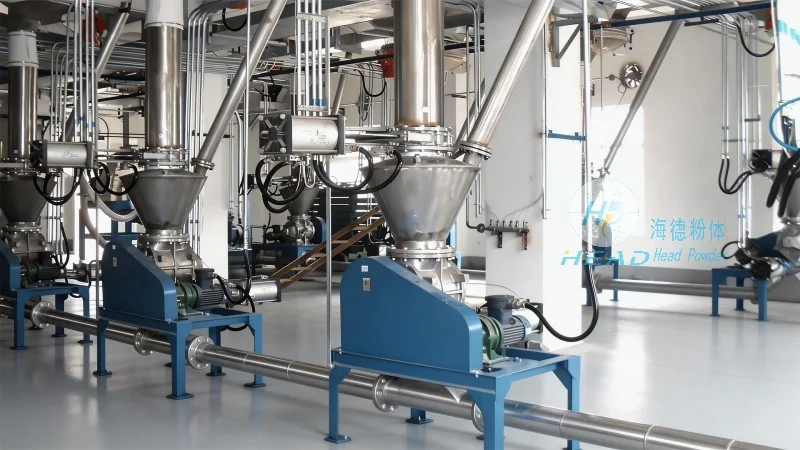
Conclusion: Choosing the Right Conveying System for Petroleum Coke Powder
In conclusion, both negative pressure and positive pressure conveying systems provide viable solutions for the pneumatic transport of petroleum coke powder, each with its own set of advantages and limitations. Negative pressure conveying is ideal for applications that prioritize dust control, energy efficiency, and flexibility, while positive pressure conveying excels in high-volume, long-distance, and high-performance scenarios. The choice between the two should be guided by a comprehensive evaluation of operational needs, material characteristics, and cost considerations. By understanding the key features and benefits of each system, industrial operators can select the most appropriate conveying method to ensure efficient, safe, and cost-effective handling of petroleum coke powder. As a leading provider in the field, Shandong HeadPowder Engineering Co., Ltd. specializes in designing and implementing customized pneumatic conveying solutions tailored to the unique requirements of petroleum coke powder applications, ensuring optimal performance and reliability in industrial operations.