

Types and Practical Applications of Pneumatic Conveying Systems for Light Calcium Powder Handling
For industries dealing with light calcium powder, efficient material handling is crucial to maintaining production efficiency and product quality. Pneumatic conveying systems have emerged as a reliable solution, offering flexibility and effectiveness in transporting fine powders like light calcium powder. This article explores the different types of pneumatic conveying systems and their practical applications in the context of light calcium powder handling, with a focus on the expertise of Shandong HeadPowder Engineering Co., Ltd.
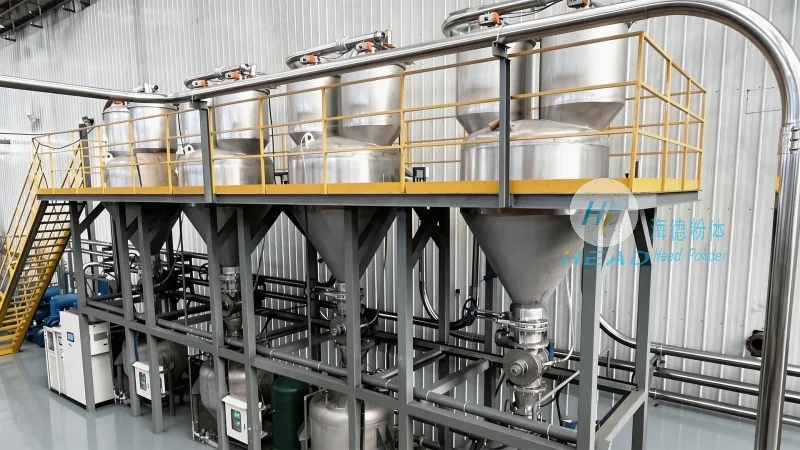
Understanding Pneumatic Conveying Systems for Light Calcium Powder
Pneumatic conveying systems utilize air or gas to transport bulk materials through a pipeline network. They are particularly suitable for light calcium powder due to the material's fine particle size and potential for dust generation. The choice of system type depends on factors such as material characteristics, distance, and environmental considerations. Shandong HeadPowder Engineering Co., Ltd. specializes in designing and implementing these systems tailored to the specific needs of clients in the light calcium powder industry.
Types of Pneumatic Conveying Systems
There are primarily two types of pneumatic conveying systems: positive pressure and negative pressure systems. Each has distinct advantages and is suited to different operational scenarios.
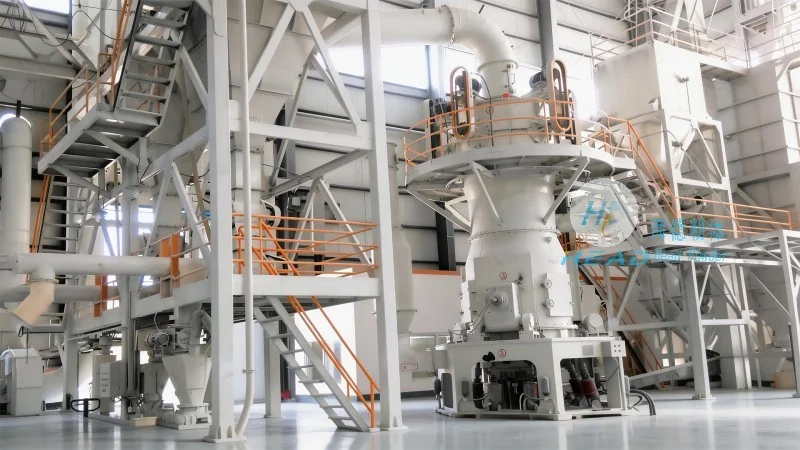
Positive Pressure Pneumatic Conveying Systems
Positive pressure systems operate by blowing air into the material to be conveyed, creating a pressure higher than the ambient air. This method is effective for transporting light calcium powder over longer distances and through complex pipeline configurations. The system typically includes a blower, a hopper for material storage, and a discharge point where the powder is released. Positive pressure systems are known for their ability to handle abrasive materials and are often preferred when the material needs to be transported to multiple destinations.
Negative Pressure Pneumatic Conveying Systems
Negative pressure systems, also known as vacuum systems, operate by creating a vacuum in the pipeline, drawing the material into the system. This approach is ideal for applications where the material is to be transported from a single source to a single destination, such as in a closed-loop system. Negative pressure systems are generally more energy-efficient for short-distance transport and are suitable for light calcium powder that is less prone to caking or agglomeration.
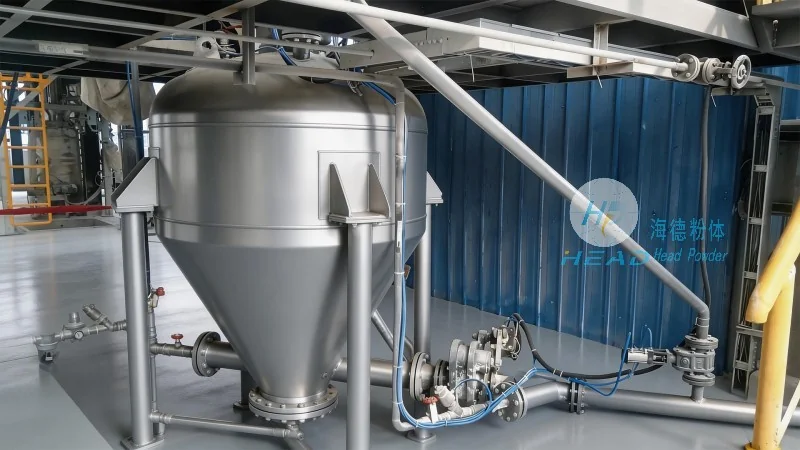
Practical Applications in Light Calcium Powder Handling
Shandong HeadPowder Engineering Co., Ltd. has successfully implemented pneumatic conveying systems in various practical applications for light calcium powder handling. One common use case is in the production of light calcium powder itself, where the system is used to transport raw materials from storage silos to processing equipment. Another application is in the packaging and distribution phase, where the system efficiently moves the finished product from production lines to storage or shipping areas.
Advantages of Pneumatic Conveying for Light Calcium Powder
Implementing a pneumatic conveying system for light calcium powder offers several advantages. Firstly, it minimizes material loss and contamination, as the entire process is enclosed within the pipeline. This is critical for maintaining the purity of light calcium powder, which is often used in applications where quality control is paramount. Secondly, the system reduces labor costs and improves safety by eliminating manual handling of powders, which can be hazardous. Additionally, pneumatic conveying systems are adaptable to changes in production volume, allowing for scalability as business needs evolve.
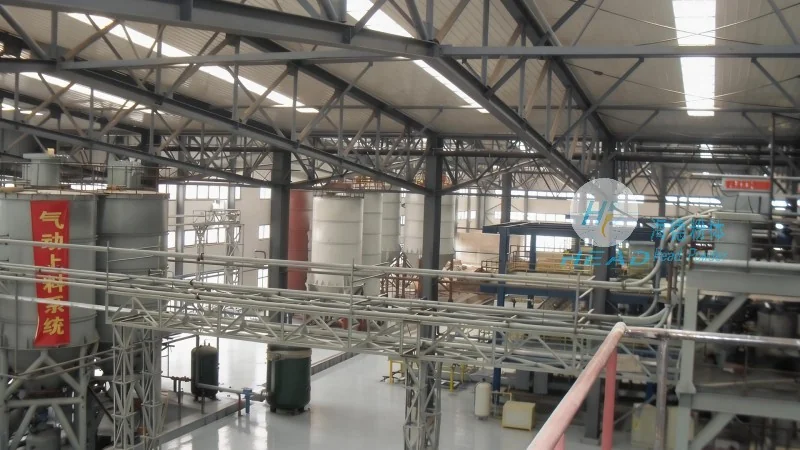
Customization and Integration with Existing Facilities
Shandong HeadPowder Engineering Co., Ltd. recognizes that each facility has unique requirements. Therefore, they offer customized pneumatic conveying solutions that integrate seamlessly with existing infrastructure. This includes designing systems that accommodate varying particle sizes, moisture content, and flow rates of light calcium powder. The company's engineers work closely with clients to assess their specific needs, ensuring that the chosen system maximizes efficiency and minimizes downtime.
Conclusion
Pneumatic conveying systems are a vital component in the efficient handling of light calcium powder. By understanding the different system types and their practical applications, industries can select the most suitable solution for their operations. Shandong HeadPowder Engineering Co., Ltd. provides expert guidance and implementation services, helping clients achieve optimal performance and reliability in their material handling processes. Whether for production, packaging, or distribution, pneumatic conveying offers a robust and flexible approach to light calcium powder transport.