

Main Pneumatic Conveying Structures for Baking Powder
For manufacturers in the baking powder industry, selecting the right pneumatic conveying system is crucial to ensure efficient material handling, maintain product quality, and enhance operational safety. The choice of structure depends on various factors including the nature of the powder, production scale, and specific process requirements. This article explores the main pneumatic conveying structures commonly used in the baking powder sector, highlighting their features, applications, and benefits.
Understanding Pneumatic Conveying Systems
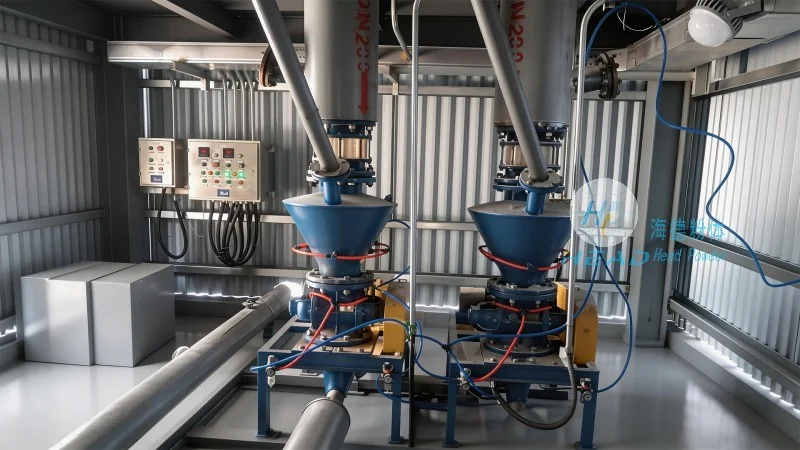
Pneumatic conveying systems transport bulk materials like baking powder through the use of air pressure or vacuum. These systems are designed to move powders from one location to another without the need for mechanical components such as belts or buckets. The primary goal is to achieve smooth, continuous, and controlled material flow while minimizing product degradation and contamination. There are two main categories of pneumatic conveying systems: positive pressure and negative pressure systems, each with distinct characteristics and applications.
Positive Pressure Pneumatic Conveying Structures
Positive pressure systems operate by blowing air or a carrier gas into the material to create a flow. This method is particularly effective for handling fine powders and can handle long distances and multiple transfers. The system typically includes a blower, a hopper, and a conveying line. The air pressure pushes the powder through the system, ensuring consistent flow rates. A key advantage of positive pressure systems is their ability to handle abrasive or corrosive powders, as the material is not in direct contact with moving parts. This reduces wear and tear on equipment, extending its lifespan. Additionally, positive pressure systems are well-suited for applications where the material needs to be conveyed to multiple destinations, as the system can be easily branched.
Negative Pressure Pneumatic Conveying Structures
Negative pressure systems, also known as vacuum systems, operate by creating a vacuum in the conveying line to draw the material from the source. This method is ideal for applications where the material needs to be collected from multiple points or where the process requires a closed environment to prevent dust emissions. The system consists of a vacuum pump, a hopper, and a suction line. The vacuum pulls the powder into the system, ensuring that the material is contained and does not escape into the environment. Negative pressure systems are often preferred for handling sensitive or hygroscopic powders, as the enclosed environment helps maintain the powder's moisture content and prevents caking. However, these systems may require more maintenance due to the higher wear on components from the continuous suction process.
Combination Pneumatic Conveying Structures
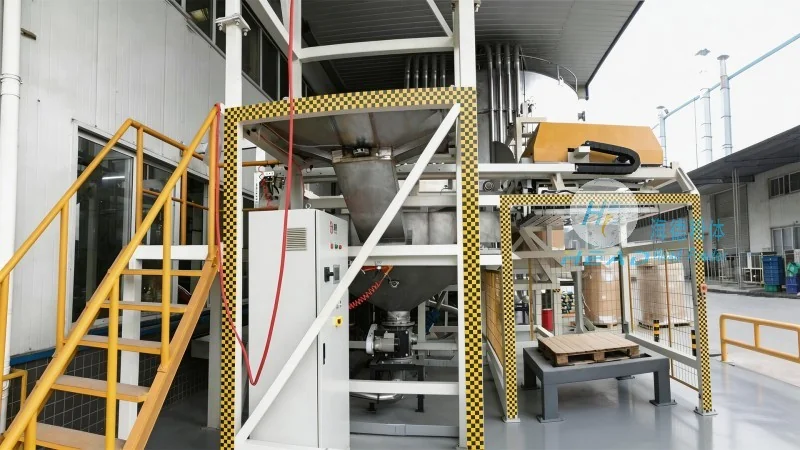
Some applications may require a combination of positive and negative pressure systems, known as mixed or hybrid systems. These systems use both pressure and vacuum to optimize material handling. For example, a positive pressure system may be used to transport the powder from the source to a central collection point, while a negative pressure system is used to distribute the powder to different processing areas. This approach allows for greater flexibility and efficiency, as it can handle both long-distance and short-distance transfers. The mixed system can also help reduce energy consumption by using the appropriate pressure or vacuum level for each segment of the conveying process.
Key Considerations for Selecting a Pneumatic Conveying Structure
When choosing a pneumatic conveying structure for baking powder production, several factors must be considered. First, the particle size and density of the powder are critical. Fine powders may require higher air velocities to prevent blockages, while larger particles may need a different system design. Second, the production volume and throughput requirements must be matched with the system's capacity. A system that is too small will result in bottlenecks, while an oversized system will increase energy costs. Third, the environmental and safety regulations must be considered. For example, if the powder is a dust hazard, a negative pressure system may be required to prevent dust emissions. Fourth, the cost of installation and maintenance must be evaluated. Positive pressure systems may have lower initial costs but higher maintenance expenses due to the wear on components. Negative pressure systems may have higher initial costs but lower maintenance costs.

Application Examples in Baking Powder Production
Let's look at some real-world applications of pneumatic conveying structures in baking powder production. In a large-scale baking powder plant, a positive pressure system may be used to transport the raw materials from storage silos to the mixing and grinding areas. The system can handle the high volume of material and ensure that the production line operates continuously. In another application, a negative pressure system may be used to collect the finished product from the packaging line and transport it to the storage warehouse. This system helps maintain the product's quality by preventing exposure to air and moisture. Additionally, a mixed system may be used in a plant that produces multiple types of baking powders, as it allows for the flexible transfer of different powders to different processing areas.
Benefits of Using Pneumatic Conveying Structures
Implementing a pneumatic conveying structure in baking powder production offers several benefits. First, it improves operational efficiency by reducing the time and labor required for material handling. The automated system can operate continuously, ensuring that the production line runs smoothly. Second, it enhances product quality by minimizing contamination and degradation. The enclosed system prevents the powder from coming into contact with foreign materials or moisture, which can affect its performance. Third, it improves safety by reducing the risk of dust explosions and inhalation of fine particles. The closed system contains the powder, preventing it from escaping into the environment. Fourth, it reduces energy consumption by using the appropriate pressure or vacuum level for each segment of the conveying process. This helps lower operating costs and improve the plant's sustainability.
Conclusion
Choosing the right pneumatic conveying structure is essential for the efficient and safe production of baking powder. The main structures include positive pressure, negative pressure, and combination systems, each with its own advantages and applications. By considering factors such as particle size, production volume, and environmental regulations, manufacturers can select the most suitable system for their needs. The benefits of using pneumatic conveying structures, including improved efficiency, product quality, and safety, make them a valuable investment for baking powder producers. As the industry continues to evolve, the development of more advanced and efficient pneumatic conveying systems will further enhance the production capabilities of baking powder manufacturers.