

Main Airflow Transport Structures for Calcium Fluoride
Calcium fluoride, also known as fluorite, is a widely used industrial material in various sectors including chemical processing, metallurgy, and manufacturing. The efficient transportation of calcium fluoride through air-flow systems is crucial for maintaining production efficiency and ensuring material integrity. This article explores the primary structures involved in the air-flow transport of calcium fluoride, highlighting key components and their functions.
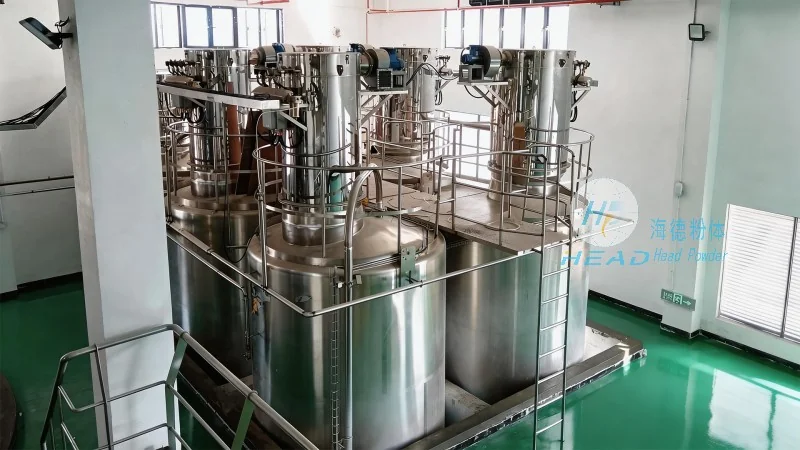
Key Components of Air-Flow Transport Systems for Calcium Fluoride
The air-flow transport of calcium fluoride typically involves several critical components that work in tandem to ensure smooth and reliable material handling. These components are designed to handle the specific properties of calcium fluoride, such as its particle size, density, and moisture content. The main structures include the feeding system, the conveying pipeline, the air supply unit, and the control mechanisms.
The Feeding System: Ensuring Uniform Material Introduction
The feeding system is the initial stage of the air-flow transport process, responsible for introducing calcium fluoride into the conveying pipeline. This component must handle the material's bulk density and flow characteristics to prevent blockages or uneven distribution. Common feeding methods include screw feeders, rotary valves, and vibratory feeders, each tailored to the specific requirements of calcium fluoride. The feeding system's design is critical as it directly impacts the overall efficiency of the transport process.
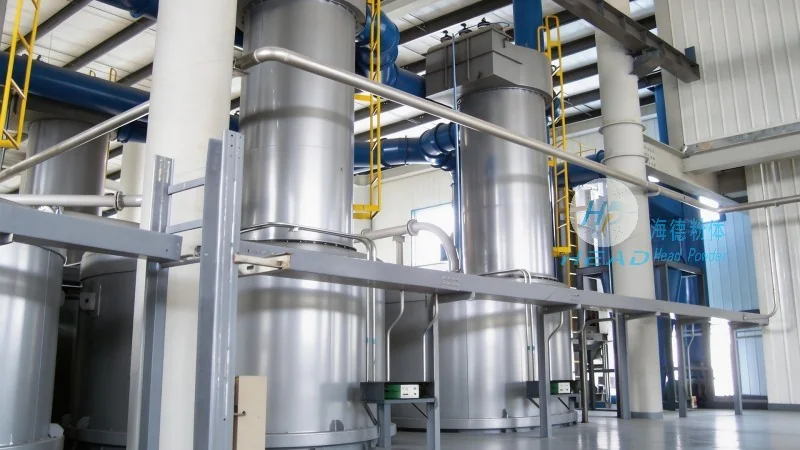
The Conveying Pipeline: Maintaining Material Integrity
The conveying pipeline is the core of the air-flow transport system, where calcium fluoride is carried by a stream of air. The pipeline's material and design are chosen to withstand the abrasive nature of calcium fluoride particles and to minimize friction. Stainless steel or special alloy pipelines are often used to prevent corrosion and wear. The pipeline's diameter and length are optimized based on the material's flow rate and the distance to be covered. Additionally, the pipeline may include bends and elbows that are carefully designed to maintain the material's flow without causing excessive pressure drops or particle degradation.
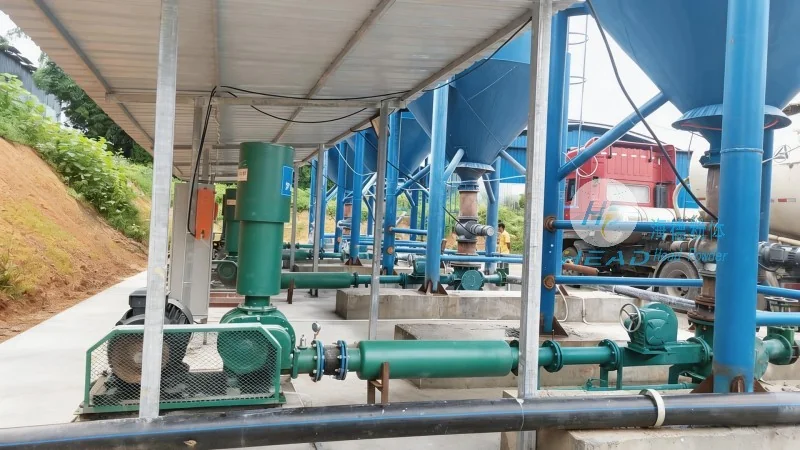
The Air Supply Unit: Generating the Conveying Air Stream
The air supply unit is responsible for generating the high-velocity air stream that propels calcium fluoride through the pipeline. This unit typically consists of a blower or a fan, which can be either positive displacement or centrifugal types. The choice of air supply depends on the required air volume and pressure. The air supply unit must be capable of maintaining a consistent flow rate to ensure stable material transport. It may also include filters to remove contaminants from the air, preventing damage to the conveying system and maintaining product purity.
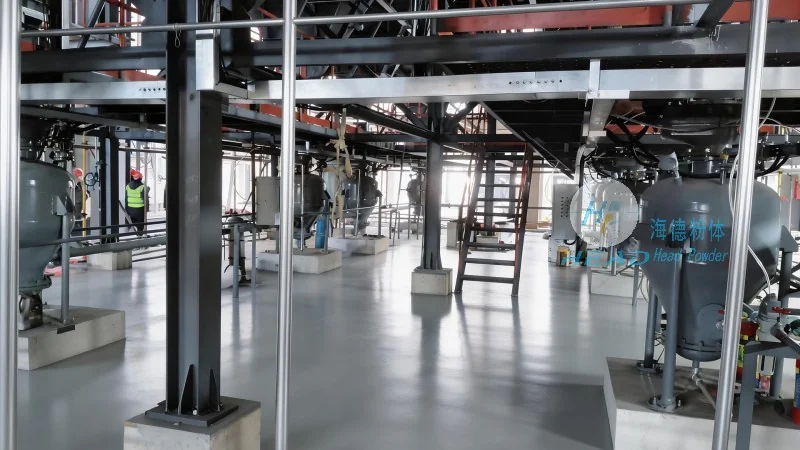
Control Mechanisms: Optimizing Transport Efficiency
Control mechanisms are essential for monitoring and adjusting the air-flow transport process. These systems include sensors for measuring pressure, flow rate, and material level, as well as control valves and regulators. By providing real-time data, these mechanisms allow operators to adjust the air supply and feeding rates as needed, ensuring optimal performance. Advanced control systems may also incorporate automation features to minimize human intervention and enhance process reliability. The integration of these control mechanisms with the other components of the air-flow transport system is crucial for achieving consistent and efficient calcium fluoride transport.
Conclusion: The Importance of Proper Air-Flow Transport Structures
The air-flow transport structures for calcium fluoride are critical to the success of industrial processes that rely on this material. Each component, from the feeding system to the control mechanisms, plays a vital role in ensuring efficient, reliable, and cost-effective material handling. By understanding and implementing the appropriate air-flow transport structures, industries can enhance their production capabilities and maintain the quality of their calcium fluoride products. As a leading provider of engineering solutions, Shandong HeadPowder Engineering Co., Ltd. specializes in designing and manufacturing customized air-flow transport systems tailored to the unique needs of calcium fluoride applications.