

Main Structures of Ammonium Sulfate Pneumatic Conveying Systems?
Shandong HeadPowder Engineering Co., Ltd., also known as headpowder, specializes in the design and implementation of advanced pneumatic conveying systems for various industrial applications. With a focus on efficiency and reliability, the company provides comprehensive solutions tailored to the unique needs of clients in the chemical and fertilizer sectors. The core of these systems lies in the structural components that ensure safe and effective transport of ammonium sulfate, a critical raw material in fertilizer production.
Key Structural Components in Ammonium Sulfate Pneumatic Conveying Systems
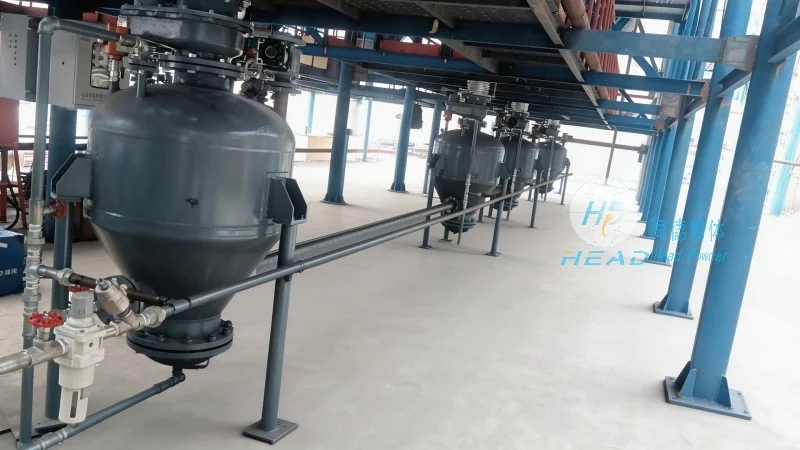
The pneumatic conveying system for ammonium sulfate typically consists of several essential structural elements that work in harmony to achieve seamless material transport. These components are meticulously designed to handle the physical properties of ammonium sulfate, including its granular form and potential moisture content, ensuring minimal degradation and loss during the conveying process. The primary structural components include the hopper, feeder, pipeline system, and collection vessel, each playing a vital role in the overall operation.
The Hopper and Feeder System
The hopper serves as the initial storage and feeding unit for ammonium sulfate. It is engineered to maintain a consistent material level, preventing overfilling or underfilling that could disrupt the conveying process. The feeder, often a rotary valve or a screw feeder, regulates the flow of material from the hopper into the pipeline. This component is crucial for controlling the feed rate, which directly impacts the system's capacity and efficiency. The design of the hopper and feeder must account for the bulk density and flow characteristics of ammonium sulfate to ensure smooth material discharge without bridging or clogging.
Pipeline and Conveying Pathways
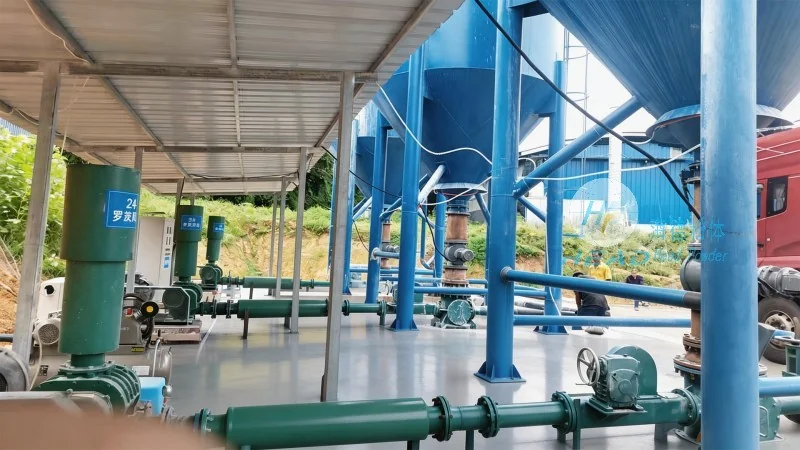
The pipeline system is the backbone of the pneumatic conveying structure, responsible for transporting ammonium sulfate from the source to the destination. It is typically made of corrosion-resistant materials such as stainless steel or special alloys to withstand the chemical properties of ammonium sulfate and prevent degradation over time. The pipeline is divided into different sections, including the intake, transport, and discharge zones. The intake zone is where the material is introduced into the pipeline, often using a venturi or a pressure drop device to create the necessary airflow. The transport zone maintains the material in suspension, while the discharge zone allows for controlled release at the receiving end. The layout of the pipeline, including bends, elbows, and straight sections, is carefully planned to minimize pressure losses and ensure consistent material flow.
Collection and Discharge Vessels
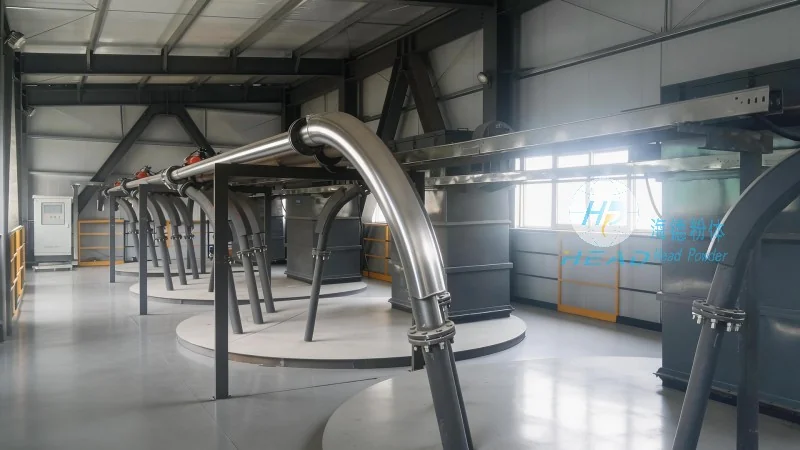
The collection vessel, or the receiving hopper, is the final component of the pneumatic conveying structure. It is designed to collect the conveyed ammonium sulfate and store it for further processing or distribution. The vessel is equipped with a discharge valve or a rotary valve to regulate the outflow of material. The design of the collection vessel must consider the material's flow characteristics to prevent accumulation or blockages. Additionally, the vessel may include features such as level indicators and pressure relief valves to ensure safe operation and prevent overpressure situations. The discharge system is integrated with the collection vessel to ensure efficient and controlled release of the material, minimizing spillage and waste.
System Control and Safety Features
Advanced control systems are integrated into the pneumatic conveying structure to monitor and regulate the operation of the components. These systems include sensors for material level, pressure, and flow rate, providing real-time data to operators. The control panel allows for adjustments to the feed rate, airflow, and other parameters to optimize the conveying process. Safety features are also incorporated to prevent accidents and ensure compliance with industrial standards. These may include emergency shut-off valves, pressure relief devices, and interlocks that stop the system in case of abnormal conditions. The combination of structural design and control systems ensures the reliable and safe transport of ammonium sulfate, meeting the demands of modern industrial applications.