

Components of Pouch Cell Positive Electrode Material Pneumatic Conveying
For clients seeking to understand the core elements of pouch cell positive electrode material pneumatic conveying, it is essential to recognize the comprehensive system that facilitates this process. As a leading provider in the field, Shandong HeadPowder Engineering Co., Ltd., commonly known as headpowder, specializes in the design and implementation of advanced pneumatic conveying solutions tailored for the battery material industry. This article delves into the key components that constitute an effective and efficient pneumatic conveying system for handling pouch cell positive electrode materials.
Core Equipment in Pneumatic Conveying Systems
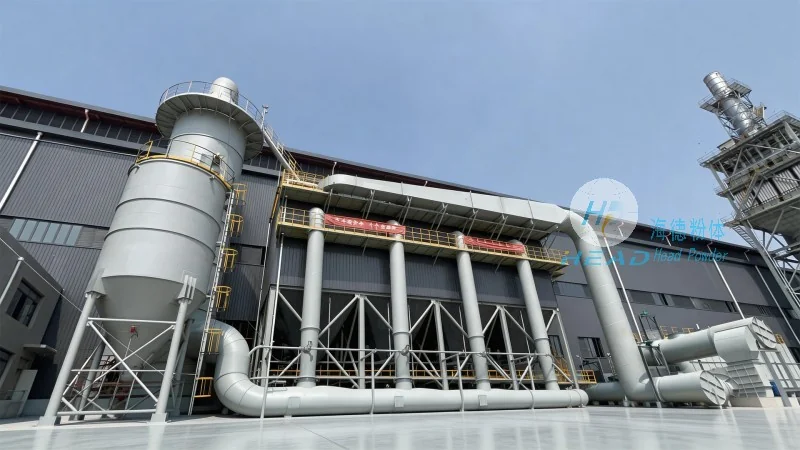
The foundation of any pneumatic conveying system lies in its specialized equipment, each playing a critical role in the material transport process. At the heart of the system is the material feed hopper, which serves as the primary container for the positive electrode material. This hopper is engineered to ensure uniform material flow, preventing blockages and maintaining consistent pressure within the system. Adjacent to the hopper is the air compressor, a vital component that generates the necessary air pressure to propel the material through the conveying lines. The compressor's capacity and efficiency directly impact the system's throughput and reliability. Additionally, the conveying lines themselves are a critical element, typically made from materials such as stainless steel or polyethylene to withstand the abrasive nature of the electrode powders and resist corrosion. These lines are often equipped with bends and elbows designed to minimize pressure loss and maintain material velocity. At the receiving end, the material is deposited into a collection bin or silo, which is strategically positioned to ensure smooth material discharge and prevent spillage. The entire equipment assembly is designed to work in harmony, optimizing the pneumatic conveying process for pouch cell positive electrode materials.
Material Handling and Processing Components
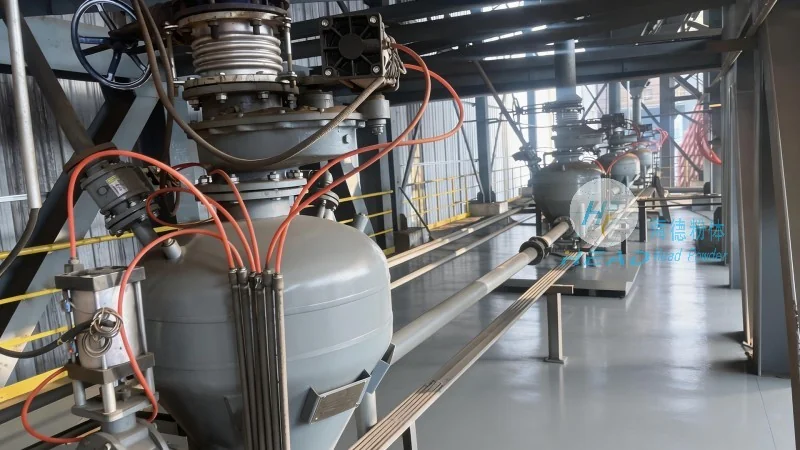
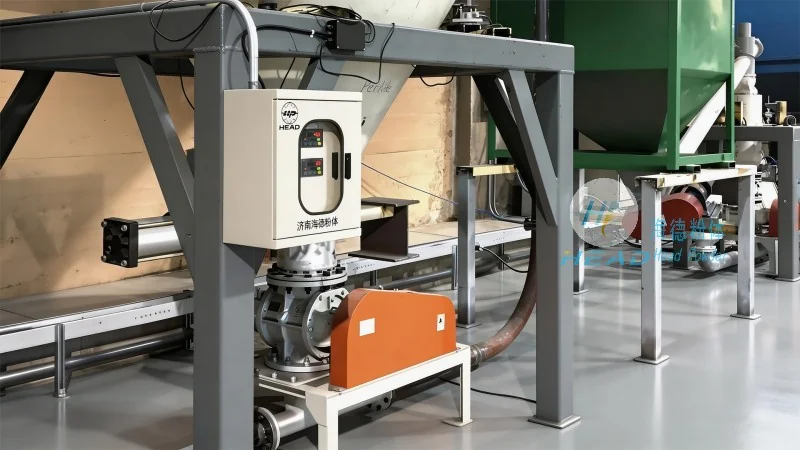
Alongside the primary equipment, several auxiliary components are integral to the pneumatic conveying of pouch cell positive electrode materials. A material feeder, often a rotary valve or a screw feeder, is used to regulate the flow of material from the feed hopper into the conveying line. This component ensures a controlled and steady feed rate, preventing overloading or underfeeding that could disrupt the system's performance. Dust collection systems are also essential, as the handling of fine electrode powders generates significant airborne dust. These systems typically include cyclones or bag filters that capture and contain the dust, maintaining a clean and safe working environment. Furthermore, the system may incorporate a vacuum or pressure regulator to adjust the air pressure as needed, ensuring optimal material transport under varying conditions. The integration of these auxiliary components enhances the overall efficiency and safety of the pneumatic conveying process, making it suitable for high-volume production environments.
System Integration and Control Mechanisms
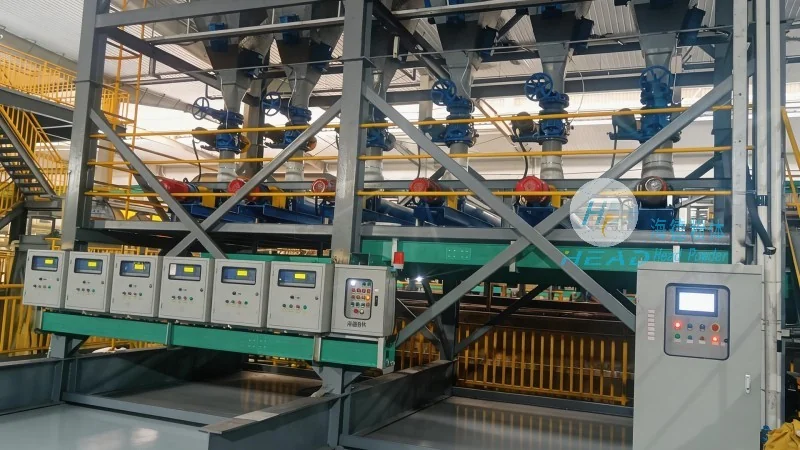
Effective pneumatic conveying of pouch cell positive electrode materials requires sophisticated control mechanisms to manage the entire process. Modern systems are equipped with programmable logic controllers (PLCs) that monitor and control various parameters, such as air pressure, material flow rate, and system temperature. These controllers ensure that the system operates within safe and optimal parameters, automatically adjusting settings to compensate for changes in material characteristics or external conditions. Additionally, sensors are strategically placed throughout the system to provide real-time data on material levels, pressure, and flow rates. This data is crucial for maintaining system efficiency and preventing downtime. The integration of advanced control technologies allows for seamless operation, reducing the need for manual intervention and enhancing overall productivity. For companies like Shandong HeadPowder Engineering Co., Ltd., this level of system integration is a hallmark of their expertise, enabling clients to achieve reliable and consistent material handling for their pouch cell positive electrode production.
Material Characteristics and System Adaptation
The pneumatic conveying of pouch cell positive electrode materials is influenced by the unique characteristics of the material itself. These materials are typically fine powders with specific particle sizes, densities, and flow properties that affect how they behave in a conveying system. For instance, materials with high moisture content or cohesive properties may require additional processing steps, such as drying or conditioning, to ensure proper flow and prevent agglomeration. The system design must account for these characteristics, incorporating features like pre-drying equipment or agitators to improve material handling. Furthermore, the system's capacity and pressure requirements are tailored to the specific material being conveyed, ensuring that the equipment can handle the expected throughput without excessive energy consumption or wear. By adapting the system to the material's properties, Shandong HeadPowder Engineering Co., Ltd. ensures that clients achieve efficient and reliable material transport, minimizing losses and maximizing productivity.
Safety and Maintenance Considerations
Ensuring the safety and longevity of the pneumatic conveying system is paramount when handling pouch cell positive electrode materials. Proper safety measures include the installation of pressure relief valves to prevent over-pressurization and the use of explosion-proof components in areas where flammable materials may be present. Regular maintenance is also critical to the system's performance, as components like air compressors, filters, and conveying lines require periodic inspection and replacement. This maintenance schedule helps prevent breakdowns and extends the system's operational life. Additionally, the system should be equipped with monitoring tools to detect potential issues early, such as pressure drops or abnormal noise, allowing for timely intervention. By prioritizing safety and maintenance, Shandong HeadPowder Engineering Co., Ltd. helps clients maintain a reliable and efficient pneumatic conveying system, ensuring consistent production of high-quality pouch cell positive electrode materials.