

Principle of Synthetic Fiber Pneumatic Conveying Systems
Understanding the core principles of synthetic fiber pneumatic conveying systems is essential for optimizing material handling processes in various industrial applications. These systems leverage the power of compressed air to transport bulk materials, offering a flexible and efficient solution for moving synthetic fibers and other fine powders. The fundamental operation of such systems revolves around the interaction between air flow and the material being conveyed, creating a dynamic environment that ensures reliable and consistent material transport. Shandong HeadPowder Engineering Co., Ltd., a leading provider of material handling solutions, specializes in designing and manufacturing advanced pneumatic conveying systems tailored to the needs of industries dealing with synthetic fibers.
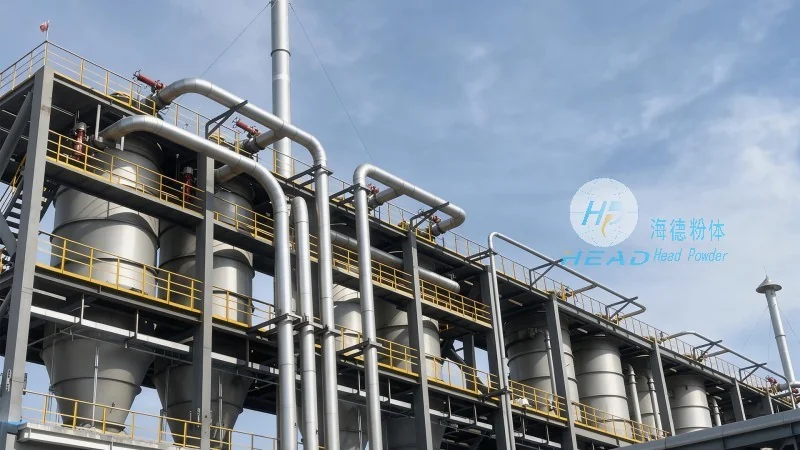
Key Components and Their Functions
The synthetic fiber pneumatic conveying system consists of several critical components that work in tandem to achieve effective material transport. The primary components include the air compressor, which generates the necessary pressure to move the material; the hopper or feed hopper, where the synthetic fibers are loaded; the conveying line, which is typically made of flexible or rigid tubing to guide the material; and the receiver or discharge hopper, where the material is deposited. Each component plays a vital role in maintaining the system's efficiency and performance.
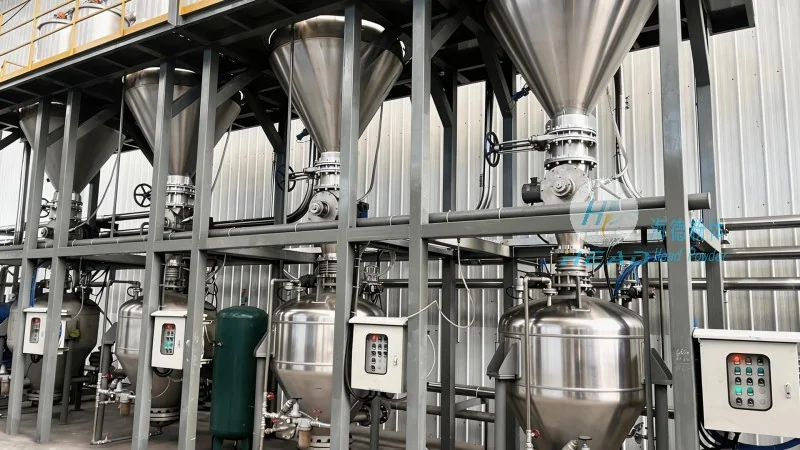
For instance, the air compressor is responsible for supplying the compressed air that creates the pressure differential needed to move the material. The hopper ensures a consistent feed of synthetic fibers, preventing blockages and maintaining a steady flow. The conveying line's design, whether flexible or rigid, impacts the system's ability to handle different types of fibers and the overall efficiency of the process. The receiver then collects the transported material, completing the cycle. Proper maintenance and selection of these components are crucial for the long-term operation and reliability of the system.
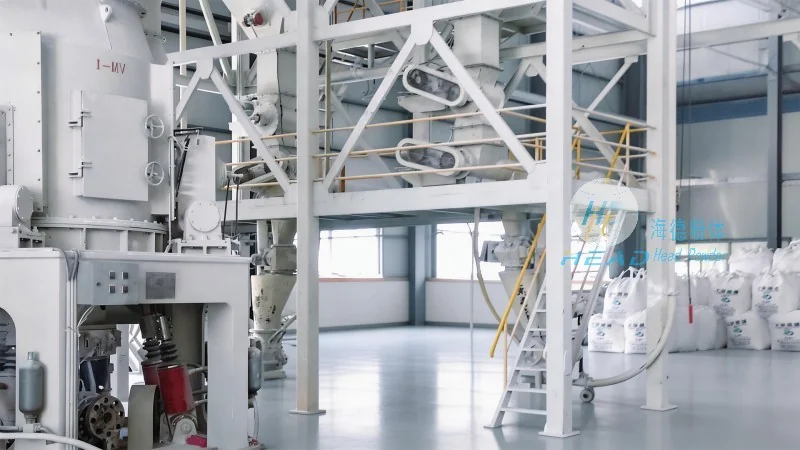
How Pneumatic Conveying Works: The Basic Mechanism
The operation of a synthetic fiber pneumatic conveying system is based on the principle of fluidization and suspension. When compressed air is introduced into the hopper, it creates a low-pressure zone that draws the synthetic fibers into the conveying line. The air flow then suspends the fibers in the air stream, allowing them to be transported through the line to the receiver. This process is often referred to as "air-assisted" or "pressure" conveying, depending on the system's design. The key to successful conveying lies in achieving the right air-to-material ratio, which ensures that the fibers are fully suspended and transported without clogging or degradation.
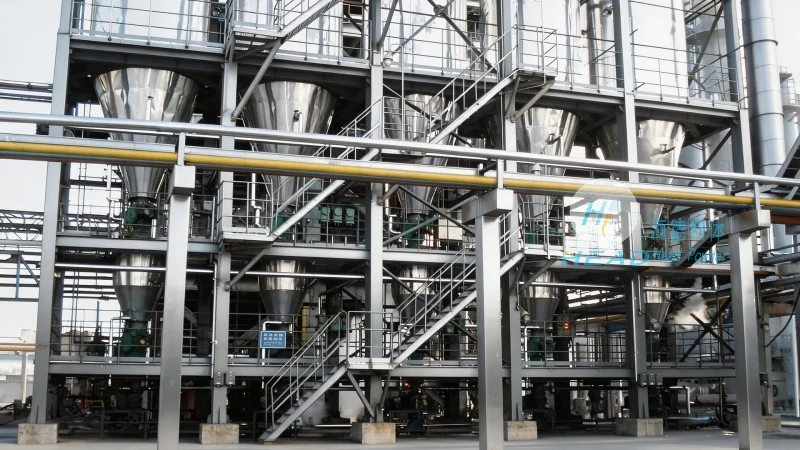
There are two main types of pneumatic conveying systems: pressure and vacuum. Pressure systems use compressed air to push the material through the line, while vacuum systems use a vacuum to pull the material from the hopper. Synthetic fiber applications often favor pressure systems due to their ability to handle higher material loads and longer conveying distances. The choice between these systems depends on factors such as the material's properties, the distance to be conveyed, and the required throughput. In both cases, the system's design must account for the specific characteristics of synthetic fibers, such as their fineness, moisture content, and tendency to agglomerate.