

What is a Slag and Ash Pneumatic Conveying System? What Are Its Design Principles?
Welcome to Shandong HeadPowder Engineering Co., Ltd., a leading provider of advanced industrial solutions in China. In this article, we will explore the concept of a slag and ash pneumatic conveying system, its fundamental design principles, and the critical role it plays in modern industrial operations.
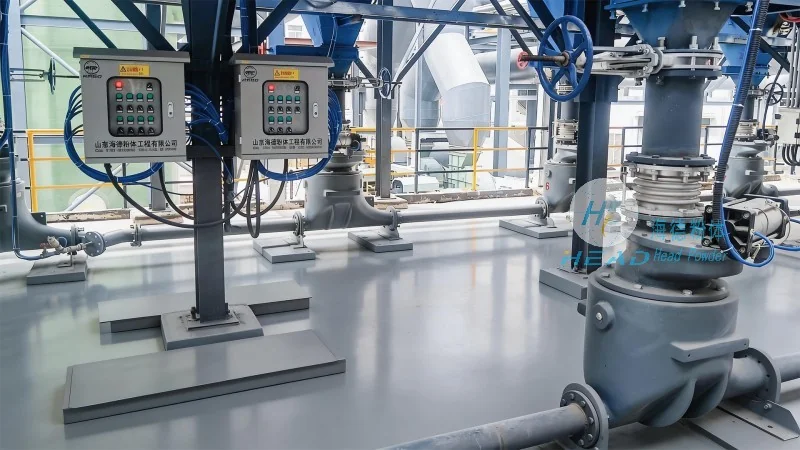
Understanding the Slag and Ash Pneumatic Conveying System
A slag and ash pneumatic conveying system is a specialized industrial equipment designed to transport solid materials such as slag and ash from one location to another using a pressurized air or gas stream. This technology is widely used in power plants, cement factories, and other industrial facilities where large volumes of these byproducts need to be handled efficiently and safely. The system typically consists of a hopper, a conveyor line, and a receiver, all connected by a network of pipes and valves. The primary function is to move these materials from the point of generation to the disposal or processing site without the need for mechanical components like belts or buckets.
Key Design Principles of the System
The design of a slag and ash pneumatic conveying system is governed by several critical principles that ensure its efficiency, reliability, and safety. First, the system must be capable of handling the specific physical properties of the material being conveyed, including its particle size, density, and moisture content. This is achieved through the selection of appropriate equipment such as the hopper's design, the type of air pump or blower, and the diameter and length of the conveying line. The air velocity within the system is a crucial factor; it must be high enough to prevent material settling but low enough to avoid excessive wear on the pipes and components. Engineers carefully calculate the required air pressure and flow rate to maintain a stable flow of the material, preventing blockages and ensuring consistent performance.
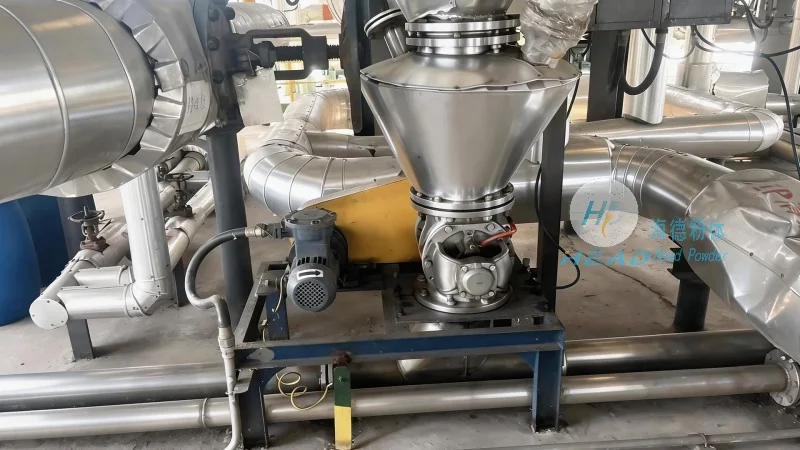
Components and Their Functions
The core components of a slag and ash pneumatic conveying system include the material hopper, the air supply unit (such as a positive displacement blower or a rotary lobe pump), the conveying pipeline, and the receiving hopper or silo. The material hopper is designed to store the slag and ash before it is fed into the system. It often features a discharge valve or a rotary feeder to control the flow of material into the pipeline. The air supply unit generates the necessary pressure to move the material through the system. The conveying pipeline is typically made of corrosion-resistant materials like stainless steel or PVC to withstand the abrasive nature of the slag and ash. The receiver at the end of the pipeline collects the conveyed material and may include a dust collection system to prevent environmental contamination. Each component is carefully selected and integrated to ensure the system operates smoothly and meets the specific requirements of the industrial application.
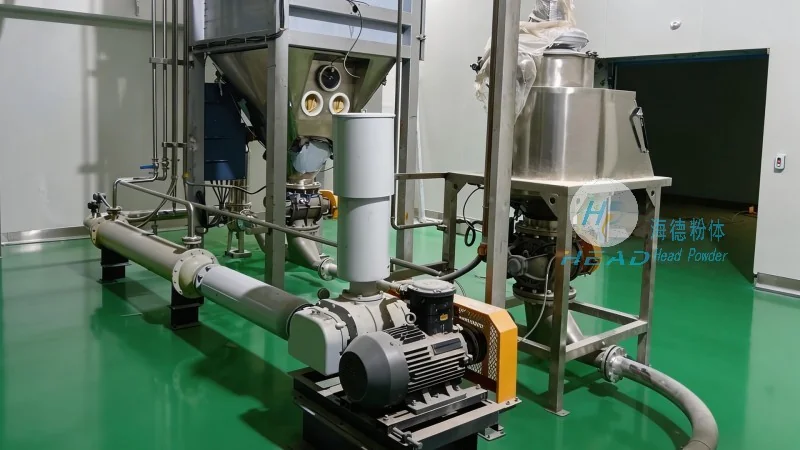
Advantages of Using a Pneumatic Conveying System
Implementing a slag and ash pneumatic conveying system offers numerous advantages over traditional mechanical conveying methods. One of the most significant benefits is the reduction in labor costs and operational complexity. Since there are no moving parts in direct contact with the material, maintenance requirements are lower, and the risk of mechanical failure is minimized. Additionally, the system provides a more hygienic and dust-free environment, which is crucial for industrial facilities where air quality and worker safety are paramount. The ability to transport materials over long distances without the need for intermediate storage or handling points also enhances operational efficiency. Furthermore, the system can be easily integrated with other industrial processes, such as material processing or waste management, allowing for a seamless flow of operations. These advantages make the pneumatic conveying system an attractive solution for industries dealing with large volumes of slag and ash.
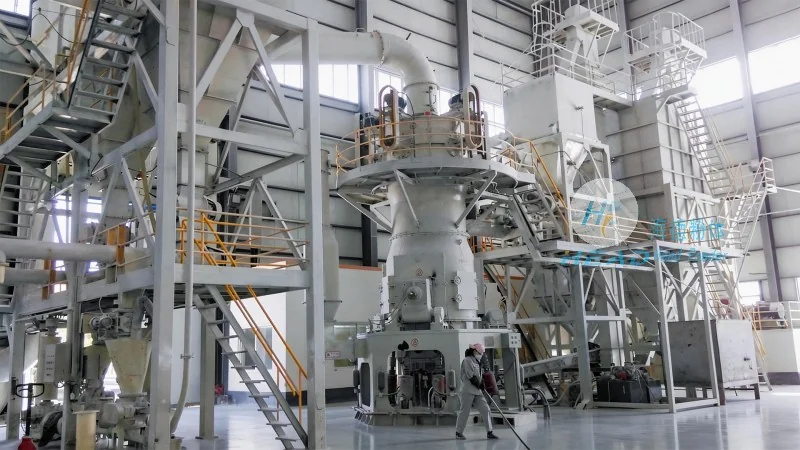
Applications and Industries
The slag and ash pneumatic conveying system is widely used in various industries, primarily in power generation and cement production. In power plants, the system is employed to transport fly ash and bottom ash from the boiler to the storage silos or to the disposal site. This is essential for maintaining the efficiency of the power generation process and ensuring compliance with environmental regulations. In cement factories, the system is used to convey raw materials like limestone and clinker, as well as waste materials such as slag and ash, which are often used as supplementary cementitious materials. The versatility of the system allows it to handle different types of materials with varying properties, making it a valuable asset in these industries. Other applications include the transportation of industrial waste and byproducts in manufacturing facilities, where the system helps in the efficient management of waste streams.
Conclusion
In conclusion, a slag and ash pneumatic conveying system is a sophisticated and efficient solution for transporting solid materials in industrial settings. Its design is based on fundamental principles that ensure optimal performance, reliability, and safety. By understanding the components and design principles of this system, industrial facilities can make informed decisions about implementing such technology to improve their operational efficiency and meet environmental standards. Shandong HeadPowder Engineering Co., Ltd. specializes in providing customized solutions for these systems, ensuring that clients receive equipment tailored to their specific needs and operational requirements.