

What Is a Mineral Powder Pneumatic Conveying System? Exploring Its Design Principles
Mineral powder pneumatic conveying systems are essential for the efficient transport of bulk materials in various industrial applications. These systems utilize air pressure to move powders through a network of pipes and components, offering a flexible and often more cost-effective alternative to traditional mechanical conveying methods. As a leading provider in the field, Shandong HeadPowder Engineering Co., Ltd. specializes in designing and manufacturing such systems tailored to meet the specific needs of clients across different industries.
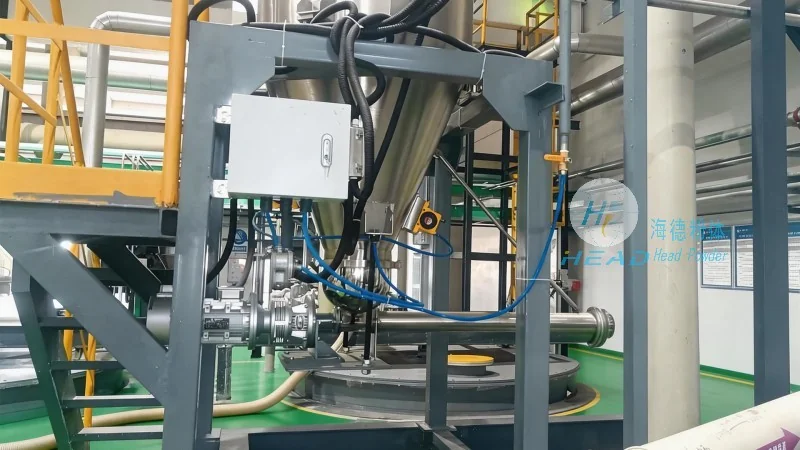
Introduction to Mineral Powder Pneumatic Conveying Systems
Pneumatic conveying systems for mineral powders are engineered to handle a wide range of materials, from fine powders to bulk solids, with precision and reliability. The core principle involves creating a flow of air that carries the powder particles through a closed system, ensuring minimal loss and contamination. This technology is particularly valuable in industries where dust control, hygiene, and material integrity are critical, such as in pharmaceuticals, food processing, and chemical manufacturing.
Understanding the Core Function of Pneumatic Conveying for Mineral Powders
The primary function of a mineral powder pneumatic conveying system is to transport dry powders from one location to another using compressed air or other gas. The system operates by drawing the powder into a hopper or feeder, where it is then mixed with the air stream. The air-powder mixture is then propelled through the conveying line, which may include vertical, horizontal, or inclined sections, depending on the layout of the facility. The design of the system must account for the specific properties of the mineral powder, including particle size, density, and flowability, to ensure optimal performance.
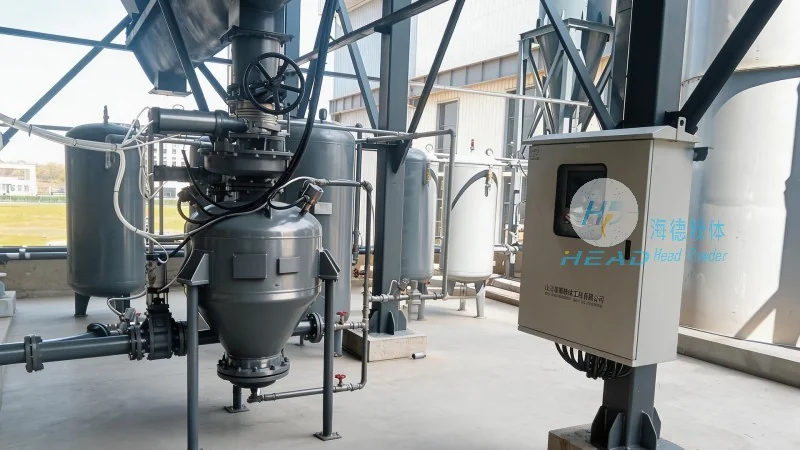
Key Design Principles of a Mineral Powder Pneumatic Conveying System
Effective design of a mineral powder pneumatic conveying system relies on several key principles. First, the system must be capable of maintaining a consistent flow rate and pressure to prevent blockages or uneven transport. This often involves the use of specialized feeders, such as rotary valves or screw feeders, which control the amount of powder entering the system. Second, the ductwork must be sized appropriately to handle the specific air and powder velocities required for the material being conveyed. The selection of materials for the ducts and components is also critical, as they must withstand the abrasive nature of mineral powders and resist corrosion or wear.
Components and Their Roles in the System
A typical mineral powder pneumatic conveying system consists of several key components, each playing a vital role in the overall operation. The main components include the hopper or storage silo, which holds the mineral powder; the feeder, which controls the flow of powder into the system; the conveying line, which transports the powder; the separator, which separates the powder from the air at the end of the line; and the receiver, which collects the conveyed powder. Additionally, the system may include a blower or compressor to generate the necessary air pressure, as well as filters and cyclones to clean the air and prevent dust accumulation.
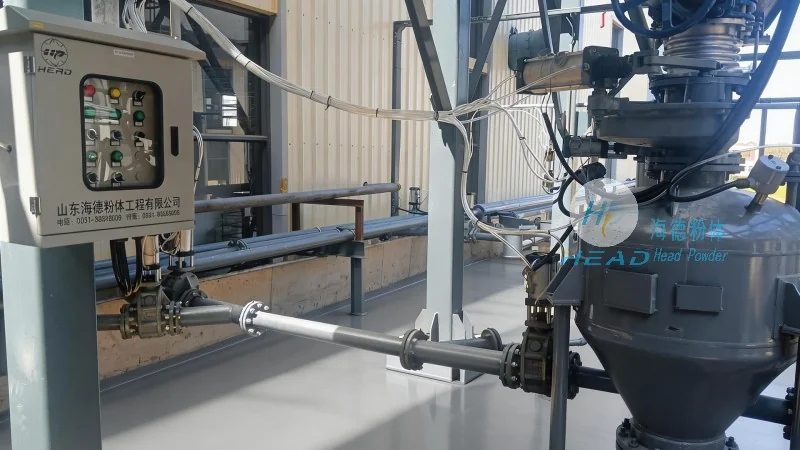
The Importance of System Design for Efficient Mineral Powder Transport
The design of a mineral powder pneumatic conveying system directly impacts its efficiency, reliability, and overall performance. A well-designed system minimizes energy consumption, reduces maintenance costs, and ensures consistent material flow. Factors such as the system's layout, the type of feeder used, and the selection of ductwork materials all contribute to its effectiveness. For example, a system designed with vertical conveying sections may require higher air pressure to overcome gravity, while horizontal sections may use lower pressure but require longer ducts. Proper design also considers the potential for material buildup or blockages, incorporating features like pulse jets or cleaning mechanisms to maintain system integrity.
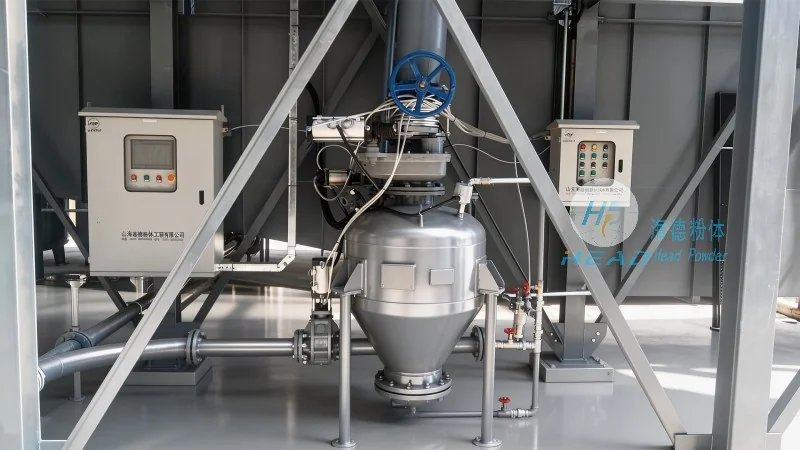
Applications and Industries Benefiting from Such Systems
Mineral powder pneumatic conveying systems are widely used across various industries due to their versatility and efficiency. In the mining industry, these systems are used to transport ore powders from processing plants to storage facilities or for further processing. In the chemical industry, they are employed to move raw materials and finished products between processing units, ensuring a clean and controlled environment. The food and pharmaceutical industries also benefit from pneumatic conveying systems, as they provide a hygienic and dust-free method of transporting powders without contamination. Other applications include the transport of cement, flour, and other fine powders in manufacturing and processing plants.
Conclusion and Company Overview
Mineral powder pneumatic conveying systems represent a sophisticated and efficient solution for the transport of bulk materials in industrial settings. The design principles and components involved in such systems are critical to ensuring optimal performance and reliability. Shandong HeadPowder Engineering Co., Ltd., with its expertise in engineering and manufacturing, provides tailored solutions to meet the diverse needs of clients. Based in Shandong, China, the company specializes in designing and delivering high-quality pneumatic conveying systems that enhance operational efficiency and productivity in various industries.