

What is an Oat Flour Pneumatic Conveying System? What is the Design Principle?
For industries dealing with oat flour, efficient and reliable material handling is crucial. A pneumatic conveying system is a key solution that enables the transport of oat flour from one location to another without the need for mechanical components like belts or buckets. This system operates by using compressed air to move the powder through a pipeline, ensuring a clean and hygienic process that is ideal for food-grade applications. The system is particularly valuable in food processing environments where maintaining product purity and preventing contamination is paramount. By eliminating the need for manual handling or open containers, the pneumatic conveying system provides a seamless and controlled method for moving oat flour through various stages of production, from storage to processing and packaging.
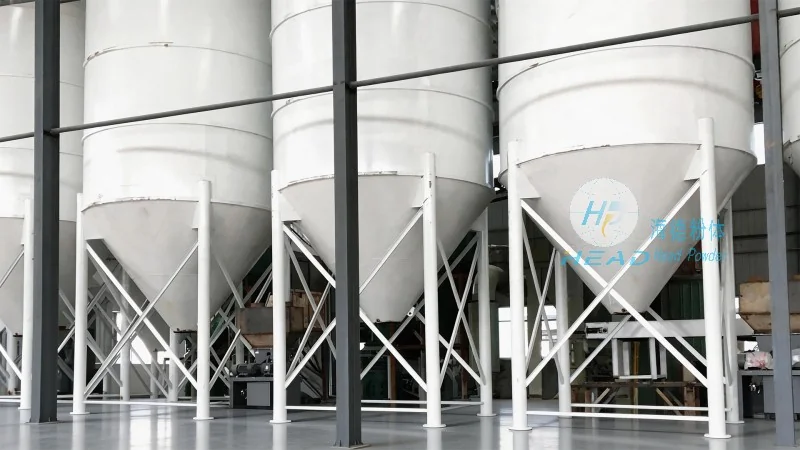
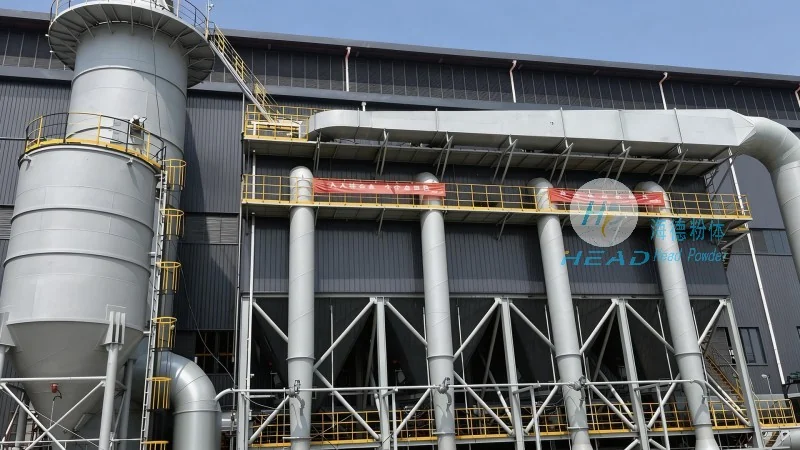
Components of an Oat Flour Pneumatic Conveying System
The headpowder system typically consists of several essential components, each playing a vital role in the overall operation. The primary components include a storage hopper, which holds the oat flour in a sealed container to maintain its quality and prevent moisture absorption. A rotary valve or feeder is installed at the bottom of the hopper to control the flow rate of the powder, ensuring a consistent and controlled discharge. The compressor is the heart of the system, generating the necessary compressed air to create the pressure differential required for conveying. The pipeline network, usually made of stainless steel or other food-grade materials, transports the oat flour from the feeder to the destination point. Filters and cyclones are integrated into the system to separate any entrained air and fine particles, preventing dust from escaping and ensuring a clean exhaust. Each component is designed to work in harmony, with the compressor providing the driving force, the feeder controlling the material flow, and the pipeline delivering the product to its final location.
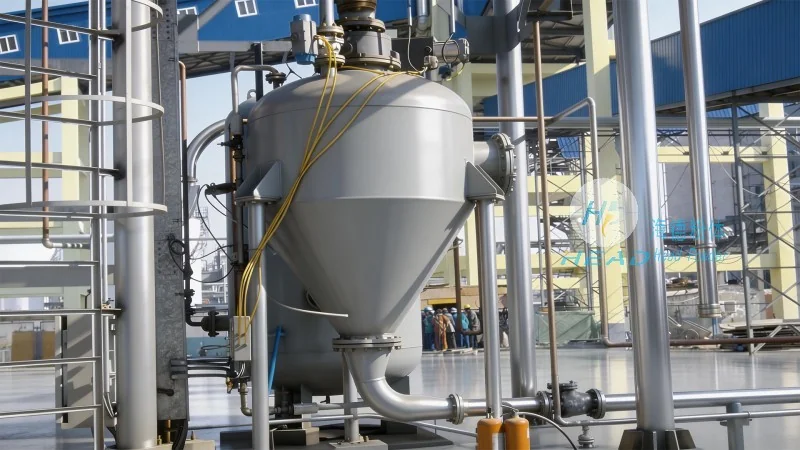
Design Principles of the System
The design of an oat flour pneumatic conveying system follows specific engineering principles to optimize performance and efficiency. One of the most critical principles is the air-to-material ratio, which determines the velocity of the powder in the pipeline. This ratio is calculated based on the specific characteristics of oat flour, such as its particle size, density, and moisture content. A higher air-to-material ratio can increase the conveying distance but may also lead to higher energy consumption and potential material degradation. Engineers at Shandong HeadPowder Engineering Co., Ltd. carefully balance this ratio to achieve the optimal conveying velocity without exceeding the system's capacity. Another key principle is the pipeline layout, which should be designed to minimize bends, changes in direction, and vertical drops to reduce pressure losses and prevent material blockages. The system incorporates appropriate pipe diameters and smooth transitions to ensure a consistent flow. Additionally, safety features are integrated into the design, including pressure relief valves to prevent over-pressurization and air filters to maintain air quality. These principles ensure that the system operates reliably, efficiently, and safely, meeting the stringent requirements of food processing industries.
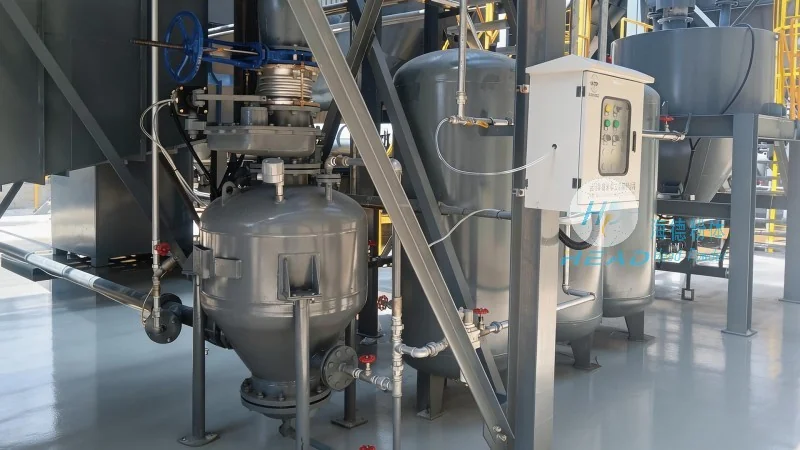
Advantages of Using a Pneumatic Conveying System for Oat Flour
Implementing a pneumatic conveying system for oat flour offers numerous advantages over traditional mechanical methods. First, it provides a dust-free and hygienic environment, which is essential for food processing applications. The enclosed system prevents contamination from external sources and reduces the risk of product spoilage, ensuring that the oat flour remains in its optimal condition throughout the handling process. Second, the system allows for easy integration with existing production lines, as the pipeline can be connected to various processing equipment without the need for major structural changes. This flexibility enables seamless operation and minimizes downtime during production. Third, the system is highly flexible, enabling the transport of oat flour to different destinations within a facility or even to remote locations. This capability is particularly beneficial for large-scale production operations where material handling is a critical part of the workflow, allowing for efficient distribution of raw materials and finished products. Fourth, the system reduces labor costs by automating the material handling process, as there is no need for manual loading or unloading of containers. Overall, the pneumatic conveying system enhances productivity, improves product quality, and ensures compliance with industry standards, making it a preferred choice for oat flour processing facilities.