

What is an Asbestos Powder Pneumatic Conveying System Equipment? What Are Its Design Principles?
Asbestos powder pneumatic conveying systems are specialized industrial equipment designed to transport asbestos powder through a pipeline using air pressure. These systems are crucial in industries where asbestos materials are handled, offering an efficient and safe method for material transfer. The design principles behind such systems are rooted in fluid dynamics, material properties, and operational safety, ensuring reliable performance under various conditions.
Introduction to Asbestos Powder Pneumatic Conveying Systems
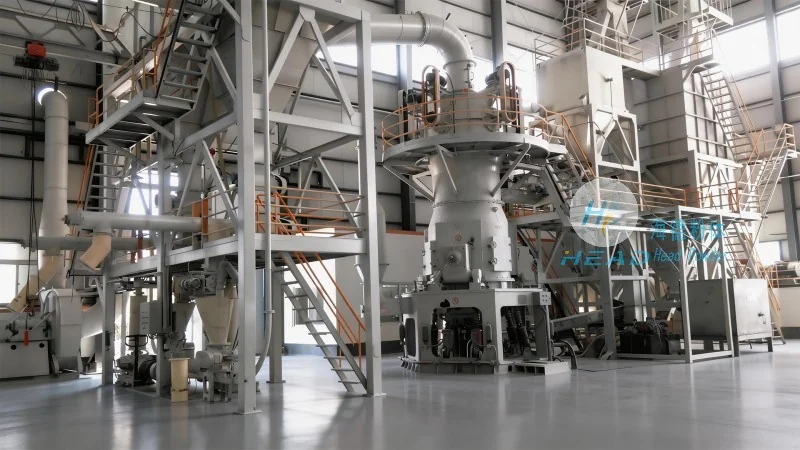
HeadPowder, a leading manufacturer based in Shandong, China, specializes in the development and production of asbestos powder pneumatic conveying systems. The company's expertise lies in creating customized solutions that meet the specific needs of clients in the asbestos processing sector. The systems are engineered to handle the unique challenges associated with asbestos powder, such as its fine particle size, potential health hazards, and the need for controlled environmental conditions.
Key Components of the Pneumatic Conveying System
The core components of an asbestos powder pneumatic conveying system include the hopper, feeder, pipeline, air compressor, and receiver. The hopper serves as the storage container for the asbestos powder, ensuring a consistent feed. The feeder regulates the flow of powder into the pipeline, preventing blockages and maintaining a steady supply. The pipeline transports the powder and air mixture, while the air compressor generates the necessary pressure to move the material. The receiver collects the conveyed powder at the destination point.
Design Principles for Efficient Material Transfer
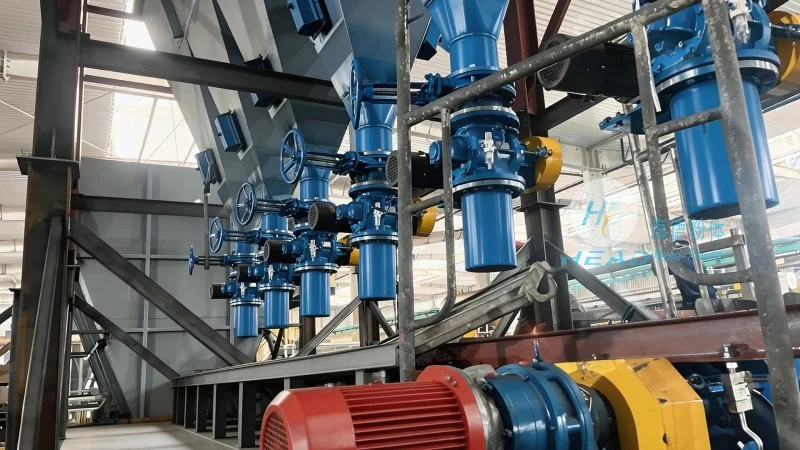
The design of an asbestos powder pneumatic conveying system is guided by several key principles to ensure optimal performance. First, the system must maintain a consistent air-to-powder ratio to prevent clogging and ensure smooth flow. This ratio is critical for maintaining the velocity of the powder-air mixture within the pipeline, which is essential for preventing particle deposition. Second, the system incorporates features to minimize dust generation and exposure, aligning with safety regulations and environmental standards. Third, the design considers the mechanical properties of asbestos powder, such as its abrasiveness and tendency to agglomerate, to ensure the equipment can withstand wear and maintain efficiency over time.
Operational Considerations and Safety Measures
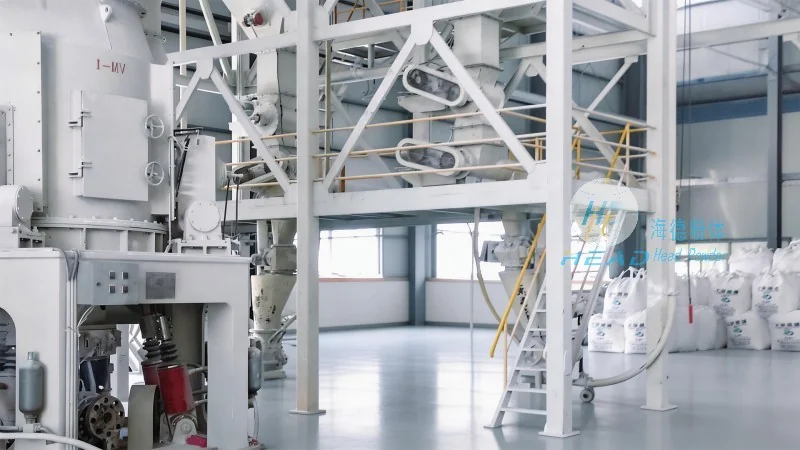
When operating an asbestos powder pneumatic conveying system, several considerations are paramount to ensure safety and efficiency. The system must be equipped with proper filtration and ventilation to control airborne asbestos particles, reducing the risk of inhalation exposure. Regular maintenance is essential to prevent equipment failure and maintain performance. Additionally, the system should include monitoring devices to track pressure, flow rates, and temperature, allowing for real-time adjustments and troubleshooting. These measures ensure that the system operates within safe parameters and meets industry standards for handling hazardous materials.
Customization and Application in Industrial Settings
HeadPowder offers customized asbestos powder pneumatic conveying systems tailored to the specific requirements of various industrial applications. The company works closely with clients to understand their operational needs, such as the volume of material to be conveyed, the distance of transport, and the desired flow rate. By integrating advanced engineering and material science, HeadPowder's systems are designed to deliver reliable performance in diverse industrial environments, including mining, construction, and manufacturing. The company's commitment to quality and safety ensures that its products meet the highest standards, providing clients with a reliable solution for asbestos powder handling.