

What is a Garbage Pneumatic Conveying System Equipment? What Are Its Design Principles?
Garbage management is a critical aspect of urban infrastructure, and efficient waste handling solutions are essential for maintaining cleanliness and environmental sustainability. One such technology that has gained prominence in modern waste management is the garbage pneumatic conveying system. This equipment is designed to transport solid waste materials through a network of pipes using air pressure, offering a reliable and effective method for waste collection and disposal. In this article, we will explore what a garbage pneumatic conveying system is and delve into its fundamental design principles.
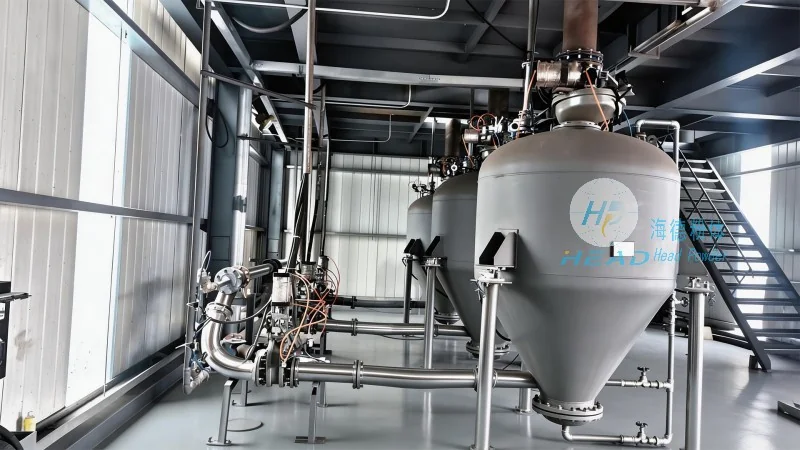
The garbage pneumatic conveying system, often referred to as a pneumatic conveyor, is a mechanical system that utilizes air to move bulk materials, including various types of waste, from one location to another. The core components of this system typically include a hopper for material loading, a blower or air compressor to generate the necessary air pressure, a pipeline network for material transport, and a discharge point where the waste is deposited. The system operates by creating a vacuum or pressure differential within the pipes, which propels the waste particles forward. This method eliminates the need for mechanical components like belts or chains, reducing maintenance requirements and minimizing the risk of mechanical failure.
Key Design Principles for Garbage Pneumatic Conveying Systems
Designing a garbage pneumatic conveying system involves several key principles to ensure optimal performance and efficiency. The first principle is the selection of the appropriate air velocity and pressure. The air velocity must be sufficient to keep the waste particles suspended and moving through the pipeline without causing excessive wear or blockages. Engineers typically calculate the required air velocity based on the size, shape, and density of the waste materials being transported. For example, lighter and more irregularly shaped waste may require higher air velocities compared to denser materials like construction debris.
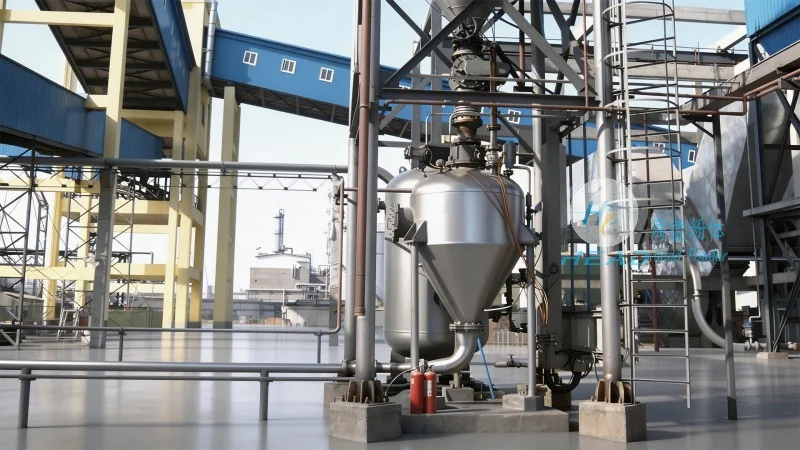
Another critical design principle is the configuration of the pipeline network. The layout of the pipes must be carefully planned to minimize bends, changes in direction, and vertical lifts, as these can increase pressure losses and reduce the system's efficiency. The use of smooth, corrosion-resistant materials for the pipes is also essential to prevent material buildup and ensure long-term durability. Additionally, the system may incorporate features such as cyclones or filters to separate the waste from the air stream, allowing for the recovery of valuable materials or the treatment of emissions.
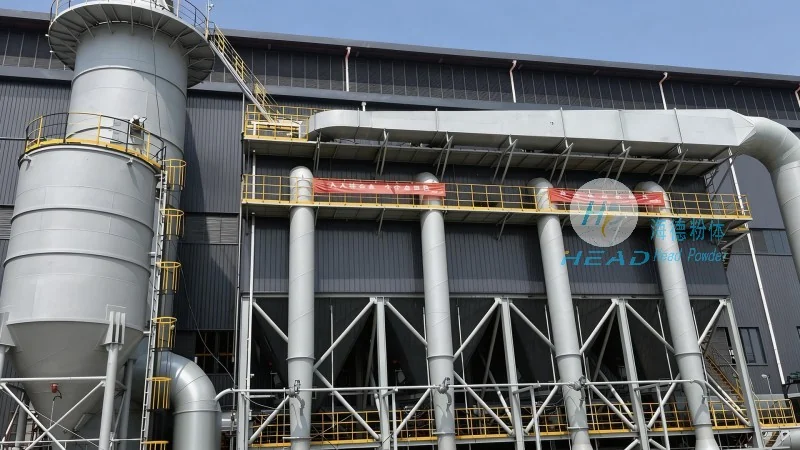
HeadPowder: A Leader in Garbage Pneumatic Conveying Solutions
HeadPowder, a leading provider of engineering solutions, specializes in the design and manufacturing of garbage pneumatic conveying systems. With years of experience in the waste management industry, HeadPowder has developed innovative solutions tailored to the unique challenges of waste handling. The company's team of experts works closely with clients to understand their specific needs, from the type of waste to be transported to the operational environment, and designs systems that meet or exceed industry standards. HeadPowder's commitment to quality and customer satisfaction has made it a trusted partner for municipalities, waste management companies, and industrial facilities seeking reliable waste transport solutions.
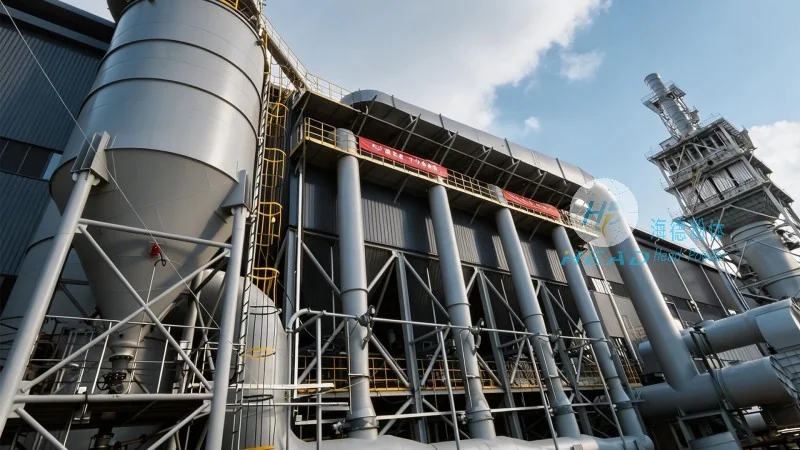
The garbage pneumatic conveying system offered by HeadPowder is built with durability and efficiency in mind. The equipment is constructed using high-quality materials, such as stainless steel and corrosion-resistant alloys, which can withstand the harsh conditions of waste handling. The system's design incorporates advanced control mechanisms that allow for precise regulation of air pressure and flow, ensuring consistent performance even with varying waste loads. This results in reduced energy consumption and lower operational costs for clients. Furthermore, the system's modular design enables easy installation and maintenance, minimizing downtime and maximizing productivity.
Conclusion: The Role of Garbage Pneumatic Conveying Systems in Sustainable Waste Management
In conclusion, the garbage pneumatic conveying system is a sophisticated piece of equipment that plays a vital role in modern waste management. Its design principles, centered on efficient air movement, robust pipeline design, and reliable operation, ensure that waste can be transported safely and effectively. Companies like Shandong HeadPowder Engineering Co., Ltd., operating under the brand name HeadPowder, are at the forefront of developing and implementing these systems, providing solutions that contribute to cleaner cities and a more sustainable environment. By understanding the equipment and its design principles, stakeholders in the waste management sector can make informed decisions and select the most suitable systems for their needs.