

What is a PVC Resin Powder Pneumatic Conveying System Equipment? What are its Design Principles?
When it comes to handling and transporting PVC resin powders, the choice of equipment plays a crucial role in ensuring efficiency, safety, and cost-effectiveness. A PVC resin powder pneumatic conveying system is a specialized solution designed to move these fine particles through a system using air pressure or vacuum. This equipment is essential for industries that rely on PVC resin, such as manufacturing, construction, and chemical processing.
Pneumatic Conveying Systems: An Overview
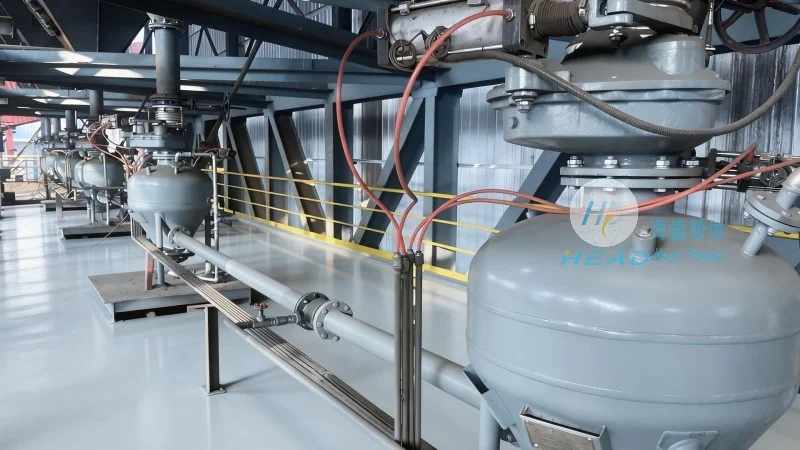
Pneumatic conveying systems are a type of material handling technology that uses air to transport bulk materials like powders, granules, and small particles. Unlike traditional methods like belt conveyors or bucket elevators, pneumatic systems offer advantages such as reduced dust, lower maintenance, and the ability to transport materials over long distances without the need for multiple transfer points. The core components of a pneumatic conveying system typically include a hopper for material storage, a conveyor line, a blower or vacuum pump to create the air flow, and a receiver or discharge point.
Components of a PVC Resin Powder Pneumatic Conveying System
The design of a PVC resin powder pneumatic conveying system involves several key components that work together to ensure smooth operation. The first component is the material hopper, which is used to store the PVC resin powder. This hopper is usually equipped with a feeder, such as a rotary valve or a star valve, to control the flow of material into the conveyor line. The feeder is critical as it regulates the amount of material being fed into the system, preventing overloading and ensuring consistent air flow.
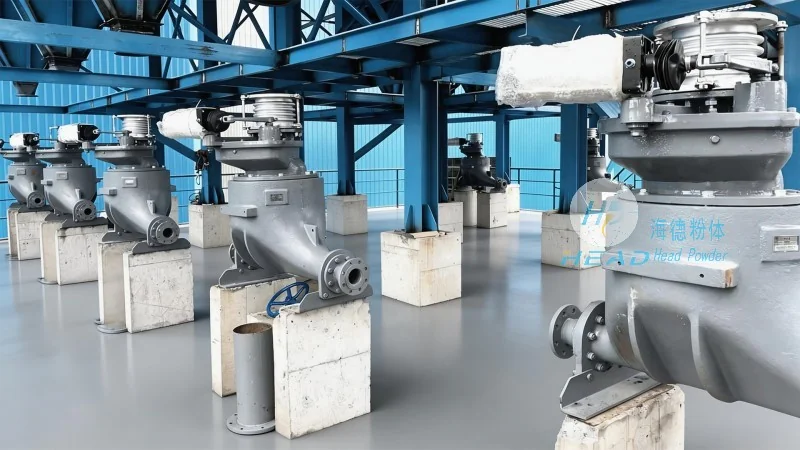
Next, the conveyor line itself is a crucial part of the system. It is typically made of metal or plastic tubing, depending on the material being conveyed and the operating conditions. The tubing is designed to withstand the pressure and temperature of the conveying process. The blower or vacuum pump is the heart of the system, providing the necessary air pressure or vacuum to move the material through the line. The type of blower (positive displacement or centrifugal) and its capacity are chosen based on the material characteristics and the required conveying distance.
The system also includes a receiver or discharge unit, where the PVC resin powder is collected after being transported. This unit is often equipped with a dust collection system to capture any particles that may escape during the process, ensuring environmental compliance and product quality. Additionally, the system may include filters and cyclones to separate the material from the air stream, allowing for recycling of the air and preventing contamination.
Design Principles for Efficient PVC Resin Powder Conveying
The design principles of a PVC resin powder pneumatic conveying system are centered around optimizing material flow, minimizing pressure drops, and ensuring system reliability. One of the primary design considerations is the selection of the right air velocity. The air velocity must be high enough to lift the PVC resin powder particles but low enough to prevent excessive wear on the system components and to maintain energy efficiency. The relationship between air velocity and particle size is critical, as larger particles require higher air velocities to be conveyed effectively.
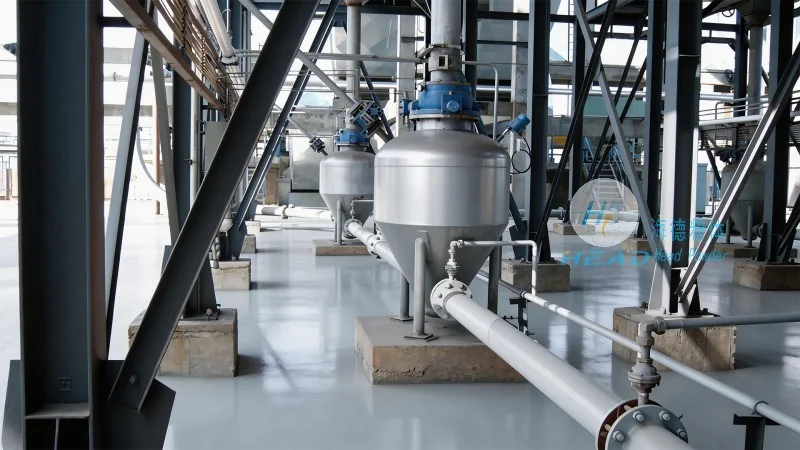
Another important design principle is the system's pressure drop. The pressure drop across the conveyor line is a measure of the energy required to move the material. Designers aim to minimize this drop by using smooth tubing, avoiding sharp bends or obstructions, and selecting the appropriate blower capacity. Proper system sizing, including the length and diameter of the conveyor line, is essential to achieve the desired conveying rate while maintaining acceptable pressure drops.
System reliability is also a key design consideration. The components of the system, such as the feeder, blower, and tubing, must be selected to withstand the abrasive nature of PVC resin powders. Materials like stainless steel or special alloys are often used for components that come into direct contact with the material to prevent wear and corrosion. Additionally, the system may include safety features like pressure relief valves and overheat protection to ensure safe operation.
Applications and Benefits of PVC Resin Powder Pneumatic Conveying Systems
PVC resin powder pneumatic conveying systems are widely used in various industries due to their versatility and efficiency. In the manufacturing sector, these systems are used to transport PVC resin from storage to processing equipment, such as extruders or mixers. In construction, they are used to move PVC resin powders for roofing or siding applications. The chemical processing industry also relies on these systems to transport PVC resin for further processing or packaging.
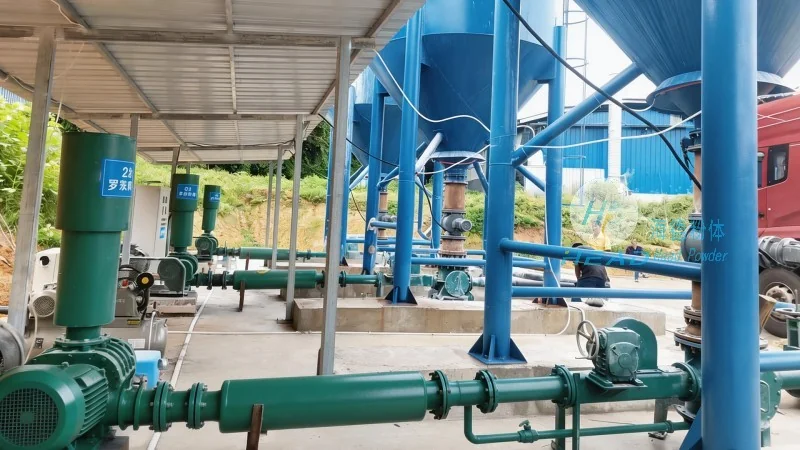
The benefits of using a pneumatic conveying system for PVC resin powders include improved safety, as the system is enclosed and reduces dust exposure. It also enhances product quality by preventing contamination from other materials or the environment. Additionally, the system offers cost savings through reduced labor and maintenance compared to traditional handling methods. The ability to transport materials over long distances without the need for multiple transfer points also increases operational efficiency.
Conclusion
A PVC resin powder pneumatic conveying system is a sophisticated piece of equipment designed to efficiently and safely transport fine PVC resin powders. The design principles, including proper component selection, air velocity control, and system sizing, are critical to ensuring optimal performance. By understanding the key components and design considerations, industries can select and implement a system that meets their specific needs, leading to improved productivity and cost-effectiveness.