

What is a Lightweight Calcium Carbonate Powder Conveying Line? What are the Design Principles?
Lightweight calcium carbonate powder conveying lines are specialized systems engineered to handle the transportation and processing of calcium carbonate powders, a common industrial material used in various applications such as plastics, coatings, and paper production. These lines are designed to ensure efficient, safe, and reliable movement of the powder from storage to processing equipment. Understanding the design principles behind these systems is crucial for optimizing performance and meeting production requirements.
Key Components of a Conveying Line
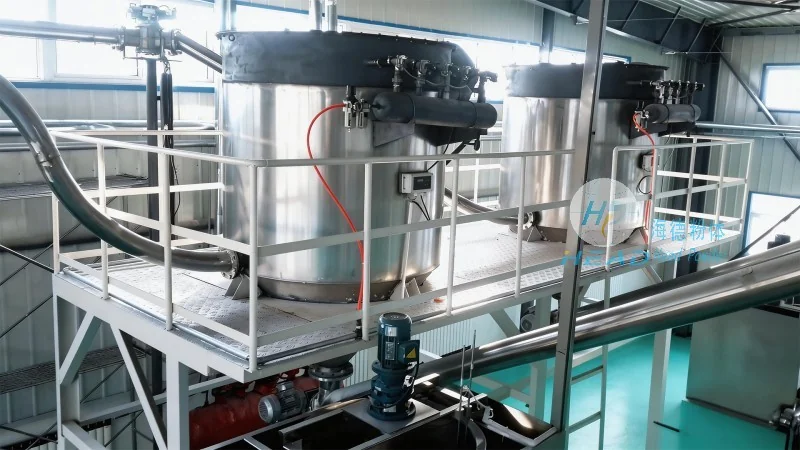
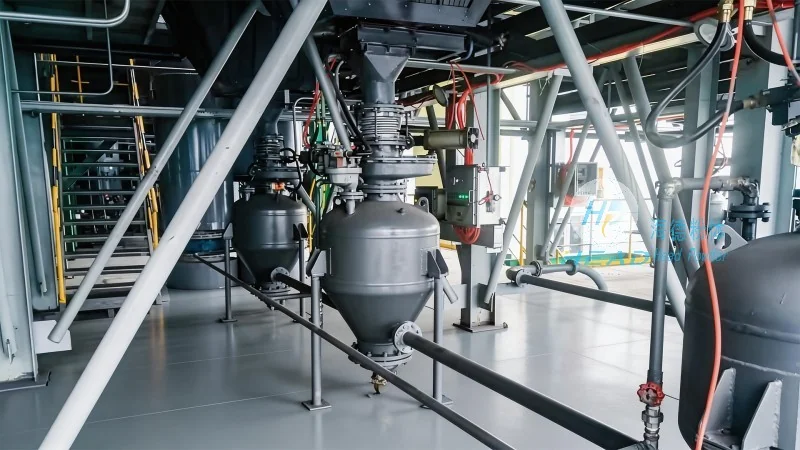
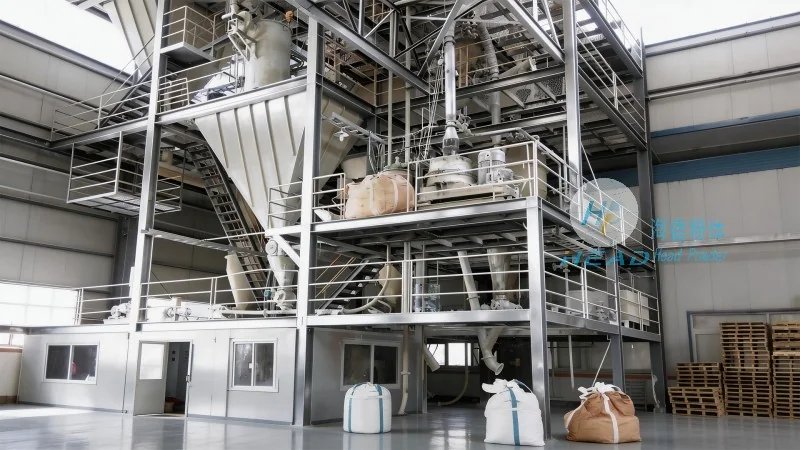
The core components of a lightweight calcium carbonate powder conveying line typically include storage silos, feeding mechanisms, conveying equipment (like pneumatic or mechanical conveyors), and processing units. Each component plays a vital role in the overall operation. For instance, storage silos are used to store large quantities of calcium carbonate powder, ensuring a steady supply. Feeding mechanisms, such as rotary valves or screw feeders, control the flow rate of the powder from the silo to the conveyor. The conveying equipment, which can be pneumatic (using air pressure) or mechanical (using belts or screws), transports the powder to the processing area. Processing units, like mixers or classifiers, then further process the powder as needed for the final product.
Design Principles for Efficient Operation
Efficient design of a lightweight calcium carbonate powder conveying line focuses on several key principles. First, material handling efficiency is paramount. The system must minimize material loss and ensure consistent flow rates to maintain production throughput. This involves selecting appropriate conveying equipment that matches the powder's properties, such as particle size and moisture content. Second, safety is a critical consideration. The design must incorporate features to prevent dust explosions, such as explosion-proof components and proper ventilation systems. Additionally, the system should be easy to maintain and clean to avoid contamination and ensure long-term reliability. Third, energy efficiency is important for reducing operational costs. Modern designs often incorporate energy-saving features, like variable speed drives for conveyors, to optimize power usage. Finally, scalability is a key principle, allowing the system to be expanded or modified as production needs change.

Application of Conveying Lines in Calcium Carbonate Processing
Lightweight calcium carbonate powder conveying lines are widely used in the processing of calcium carbonate for various industries. In the plastics industry, for example, the powder is often used as a filler to improve the mechanical properties of plastic products. The conveying line ensures that the calcium carbonate is uniformly mixed with the plastic resin, resulting in high-quality end products. In the paper industry, calcium carbonate is used as a coating pigment or filler to enhance the paper's brightness and strength. The conveying line delivers the powder to the coating machine, where it is applied to the paper web. In the coatings industry, calcium carbonate is used as a pigment or extender to improve the performance of paint and coatings. The conveying line ensures that the powder is accurately dosed and mixed with other components, resulting in consistent product quality.
Advantages of Using a Conveying Line
Implementing a lightweight calcium carbonate powder conveying line offers several advantages over traditional methods of powder handling. First, it improves operational efficiency by automating the transportation process, reducing labor costs and minimizing human error. Second, it enhances product quality by ensuring consistent and uniform powder flow, which leads to more consistent final products. Third, it improves safety by reducing the risk of dust exposure and potential explosions. Fourth, it increases flexibility, allowing the system to be adapted to different production requirements and scale up or down as needed. Finally, it reduces maintenance costs by using durable components and easy-to-clean designs.
Conclusion
Lightweight calcium carbonate powder conveying lines are essential components in the processing of calcium carbonate for various industrial applications. By understanding the design principles and key components, manufacturers can optimize their systems for efficiency, safety, and cost-effectiveness. As the demand for calcium carbonate products continues to grow, the importance of reliable and efficient conveying lines will only increase. Companies like Shandong HeadPowder Engineering Co., Ltd., based in China, specialize in designing and manufacturing such systems, providing tailored solutions to meet the specific needs of their clients.