

What is a Powder Conveying Machine for Battery Materials? And What Are Its Design Principles?
In the battery materials manufacturing sector, the efficient and reliable handling of powders is a critical factor that directly impacts production efficiency and product quality. The powder conveying machine specifically designed for battery materials, often referred to as a battery material powder conveyor, serves as a specialized piece of equipment. It is engineered to transport various powders that are essential for battery production, such as cathode active materials, anode materials, and conductive additives. This equipment not only enhances production throughput but also ensures the stability and purity of the powders throughout the conveying process. A thorough understanding of the design principles underpinning this machine is vital for optimizing production workflows and meeting the stringent demands of the battery industry.
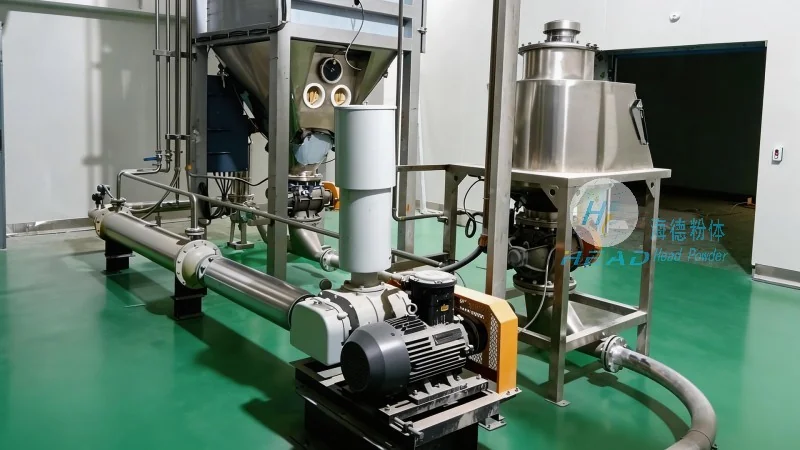
Overview of the Battery Material Powder Conveying Machine
The battery material powder conveying machine is a cornerstone of the battery material production line. Its primary function is to move raw materials and intermediate products from one stage of production to the next. The machine typically comprises several key components: a feeding system, a conveying system, a control system, and a dust collection system. The feeding system is responsible for uniformly and continuously feeding the powder into the machine. The conveying system, which may utilize technologies like screw conveyors, pneumatic conveyors, or bucket elevators, is tasked with transporting the powder along the production line. The control system allows operators to monitor and adjust conveying parameters in real time. The dust collection system is designed to capture and filter the dust generated during the conveying process, thereby ensuring a clean and safe working environment.
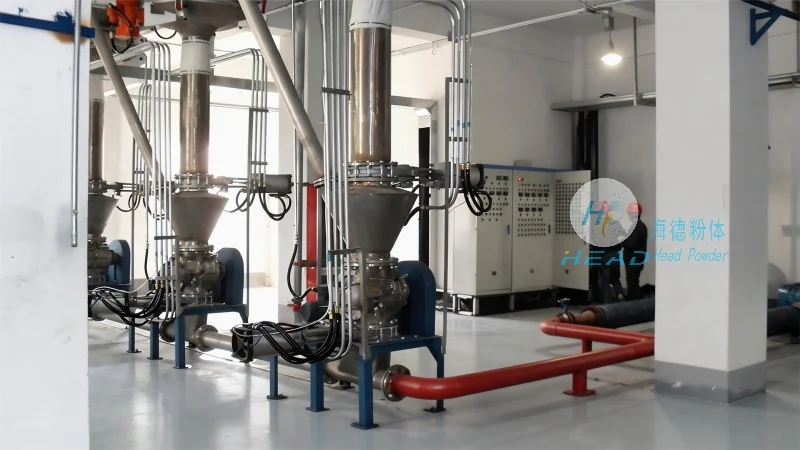
Design Principles of the Battery Material Powder Conveying Machine
The design of the battery material powder conveying machine is guided by several fundamental principles to ensure its effectiveness and reliability. First, the machine is engineered to handle a broad spectrum of powder types and particle sizes, ranging from fine powders to coarse powders. This capability is achieved through the use of materials for conveying components, such as stainless steel or specialized alloys, which are resistant to corrosion and wear. Second, the machine is designed with a strong emphasis on minimizing powder loss and contamination. This is accomplished through the implementation of sealed conveying systems and efficient dust collection mechanisms. Third, the machine is designed for ease of maintenance and cleaning. The components are structured to be easily accessible and removable, enabling quick cleaning and replacement of parts. Fourth, the machine is designed for energy efficiency. This is realized through the use of efficient motors and control systems that minimize energy consumption while maintaining the required conveying capacity.
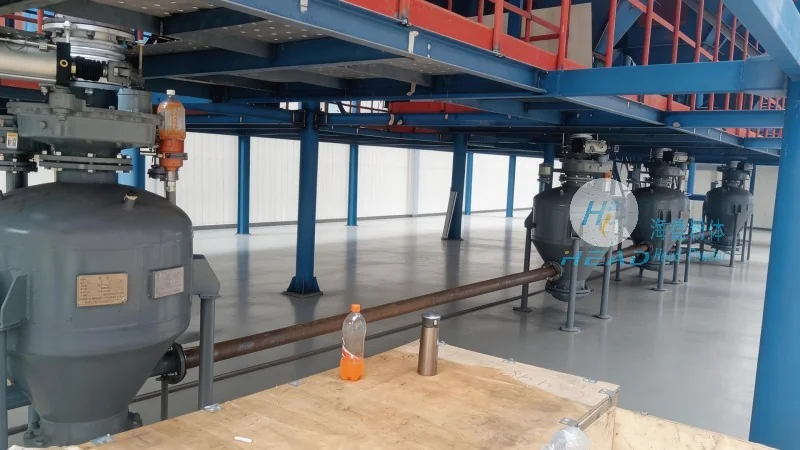
Features and Technical Advantages of the Powder Conveying Machine
The battery material powder conveying machine from Shandong HeadPowder Engineering Co., Ltd. (headpowder) integrates advanced design principles and features to meet the demanding requirements of the battery materials industry. The machine is equipped with a high-precision feeding system that guarantees uniform and stable powder flow, preventing material segregation and ensuring consistent product quality. The conveying system employs a combination of screw and pneumatic technologies, providing flexibility in transporting different types of powders. The control system is outfitted with advanced sensors and software that enable real-time monitoring of conveying parameters, such as flow rate, pressure, and temperature. This capability allows operators to promptly identify and resolve any issues, minimizing downtime and maximizing production efficiency. The dust collection system is designed with high-efficiency filters that can capture fine particles, ensuring compliance with environmental regulations and maintaining a clean working environment.
Application Scenarios and Benefits
The battery material powder conveying machine is widely utilized across various stages of the battery material production process. It is commonly employed in the raw material handling stage to transport raw materials from storage to the production line. It is also used in the intermediate product handling stage to move materials between different processing stages, such as mixing, drying, and screening. The machine is further utilized in the final product handling stage to transport finished products to packaging and storage. The adoption of this machine brings several benefits to battery manufacturers. First, it improves production efficiency by reducing the time and labor required for manual handling of powders. Second, it ensures the quality and purity of the powder by minimizing contamination and segregation. Third, it reduces the risk of dust explosions and other safety hazards by utilizing sealed conveying systems and efficient dust collection. Fourth, it reduces the cost of production by minimizing material loss and energy consumption.
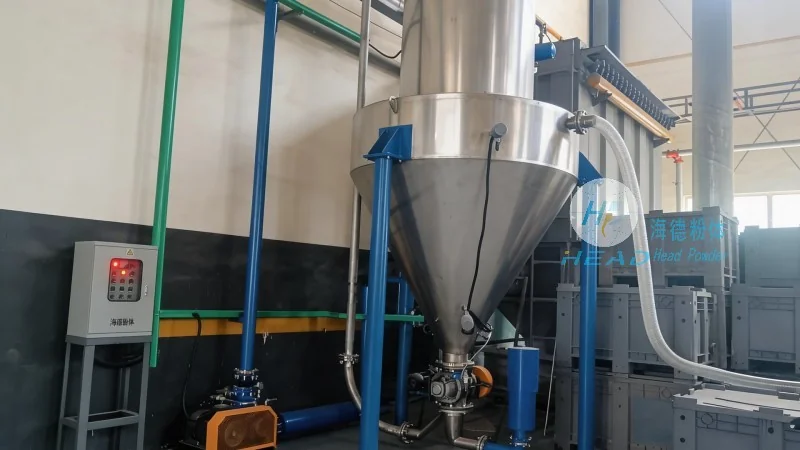
About Shandong HeadPowder Engineering Co., Ltd.
Shandong HeadPowder Engineering Co., Ltd., commonly known as headpowder, is a leading manufacturer of powder handling equipment for the battery materials industry. The company is headquartered in Shandong, China, and has been in operation for many years, delivering high-quality equipment and services to customers globally. Headpowder specializes in the design, manufacturing, and installation of powder conveying machines, as well as other related equipment such as mixers, dryers, and classifiers. The company's products are recognized for their high performance, reliability, and durability, and are extensively used in the battery materials industry. Headpowder is committed to providing customers with the best possible solutions for their powder handling needs, and continues to innovate and develop new technologies to meet the evolving demands of the industry.