

What is a Lithium-Ion Battery Positive Electrode Powder Conveying Machine? What are its Design Princ
HeadPowder, a leading manufacturer based in Shandong, China, specializes in advanced powder handling solutions tailored for the lithium-ion battery industry. This article explores the concept of a lithium-ion battery positive electrode powder conveying machine and delves into its core design principles, highlighting how such equipment enhances efficiency and precision in battery production processes.
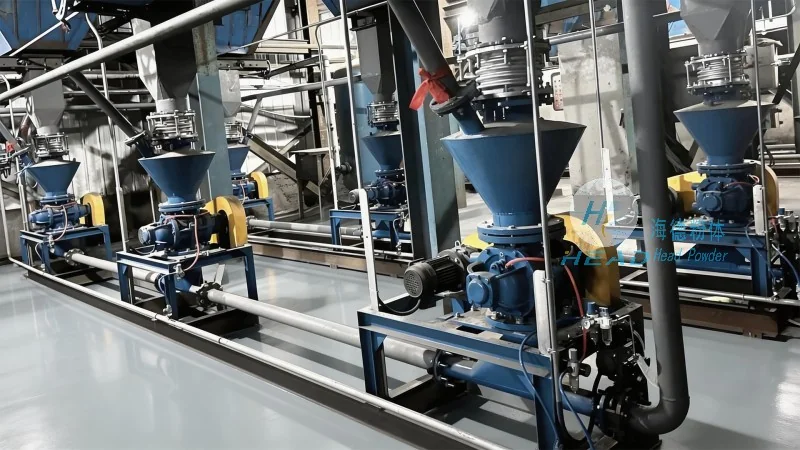
Understanding the Role of Positive Electrode Powder Conveying Machines
In the production of lithium-ion batteries, the positive electrode powder is a critical component that directly impacts the battery's performance, capacity, and safety. The positive electrode powder, typically composed of active materials like lithium cobalt oxide (LCO), lithium nickel manganese cobalt oxide (NMC), or lithium iron phosphate (LFP), requires precise handling from the moment it is produced until it is integrated into the electrode sheets. A positive electrode powder conveying machine serves as a vital link in this supply chain, ensuring that the powder is transported safely, efficiently, and with minimal contamination or degradation.
Key Design Principles of the Conveying Machine
The design of a lithium-ion battery positive electrode powder conveying machine is governed by several key principles aimed at optimizing performance and reliability. First, the machine must ensure airtight and dust-free operation to prevent the ingress of moisture or contaminants that could compromise the quality of the powder. This is typically achieved through the use of sealed housing, air filtration systems, and positive pressure or negative pressure control to maintain a controlled environment within the conveying system.
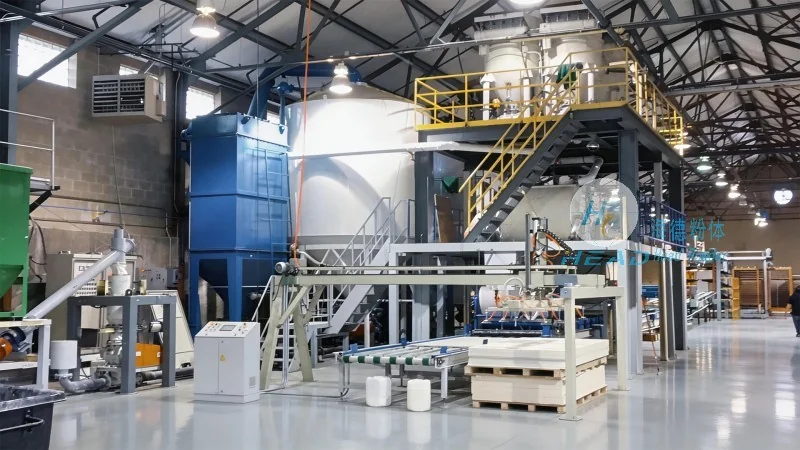
Second, the conveying mechanism must be capable of handling fine powders without causing agglomeration or particle breakage. Many modern machines employ screw conveyors, pneumatic conveying systems, or a combination of both, depending on the specific characteristics of the powder and the production requirements. For example, screw conveyors are effective for transporting bulk powders in a continuous flow, while pneumatic systems are ideal for delicate or hygroscopic powders that require gentle handling.
Third, precision and control are paramount in the design. The machine must be equipped with accurate flow control mechanisms, such as variable speed drives or mass flow meters, to ensure that the exact amount of powder is delivered to the next stage of the production line. This precision is crucial for maintaining consistent electrode composition and preventing variations in battery performance.
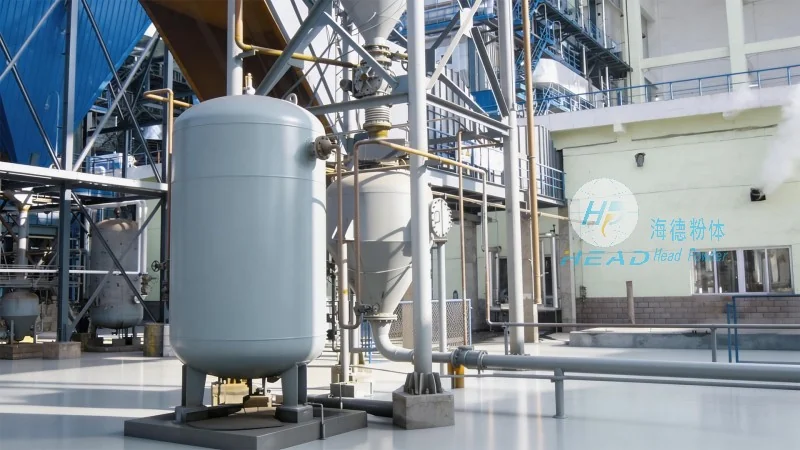
Fourth, safety and compliance are integral to the design. Given the flammable nature of some battery powders and the need to prevent static discharge, the conveying machine incorporates features like grounding systems, anti-static coatings, and explosion-proof designs. These measures protect both personnel and equipment from potential hazards, ensuring safe operation in industrial settings.
How HeadPowder Enhances the Conveying Process
HeadPowder Engineering Co., Ltd., with its headquarters in Shandong, China, has developed state-of-the-art positive electrode powder conveying machines that embody these design principles. The company's solutions are engineered to meet the stringent demands of the battery industry, offering features such as adjustable conveying speeds, multiple inlet and outlet configurations, and integrated dust collection systems. By leveraging advanced materials and precision engineering, HeadPowder's machines ensure that the positive electrode powder is handled with the utmost care, maintaining its purity and integrity throughout the conveying process.
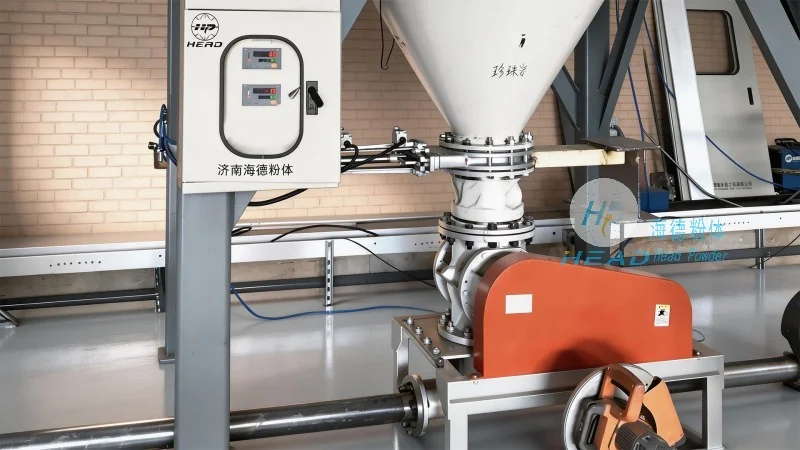
Furthermore, HeadPowder's commitment to innovation is reflected in the customization options available for their conveying machines. Whether a customer requires a system for small-scale laboratory testing or a large-scale industrial production line, the company can tailor the equipment to meet specific operational needs. This flexibility allows manufacturers to optimize their production processes, reduce downtime, and improve overall efficiency.
Conclusion
A lithium-ion battery positive electrode powder conveying machine is a sophisticated piece of equipment that plays a pivotal role in the battery manufacturing process. Its design, centered on airtightness, precision, and safety, ensures that the critical positive electrode powder is handled efficiently and reliably. HeadPowder Engineering Co., Ltd., based in Shandong, China, stands as a trusted partner in providing these advanced solutions, helping battery manufacturers achieve higher quality standards and operational excellence.