

What is Dust Removal Material Conveying Equipment? And What Are Its Design Principles?
The dust removal material conveying equipment is a specialized system designed to handle and transport fine particles, typically generated from industrial processes such as dust collection or material processing. This equipment plays a crucial role in maintaining air quality and ensuring efficient material handling in various industrial settings. The design of such equipment is tailored to address the unique challenges posed by dust and fine particulate materials, ensuring reliable and safe operation.
Understanding the Core Function of Dust Removal Material Conveying Equipment
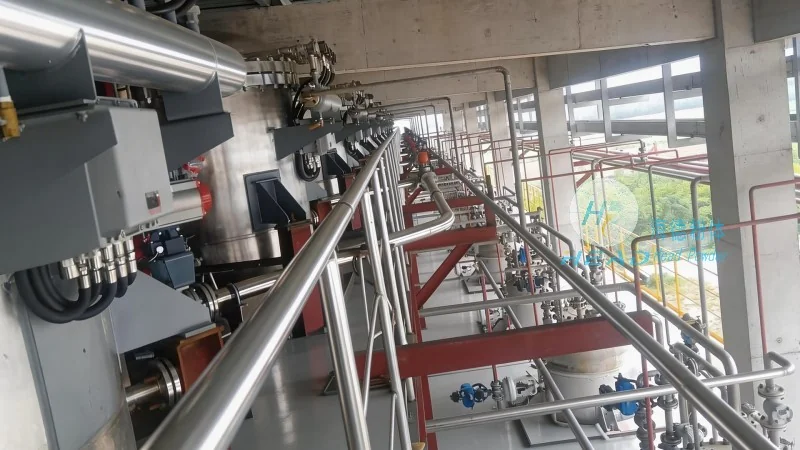
At its core, dust removal material conveying equipment is designed to collect, transport, and deposit fine dust or particulate materials from one location to another. This process is essential in industries where dust is a byproduct of production, as it prevents the accumulation of dust in the workplace and reduces the risk of respiratory illnesses among workers. The equipment operates by capturing the dust at its source and then conveying it through a sealed system to a designated collection point, such as a silo or storage bin.
Key Design Principles Behind Dust Removal Material Conveying Equipment
The design principles of dust removal material conveying equipment revolve around several critical factors. Firstly, the equipment must be capable of handling abrasive and fine materials without causing excessive wear or blockages. This is achieved through the use of robust materials for components like hoppers, chutes, and conveyor belts, often made from stainless steel or other corrosion-resistant alloys. Secondly, the system is designed to minimize air leakage and maintain a controlled environment, preventing dust from escaping into the surrounding atmosphere. This is typically accomplished through the integration of sealed conveying systems and proper sealing mechanisms at joints and connections.
Components and Working Mechanism of Dust Removal Material Conveying Equipment
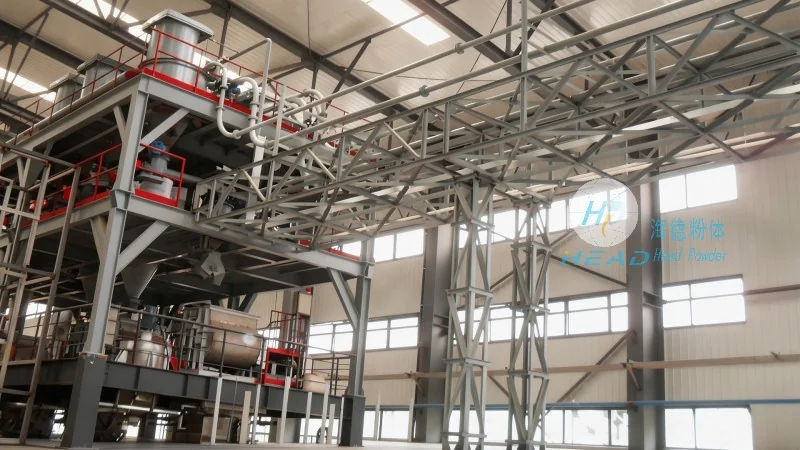
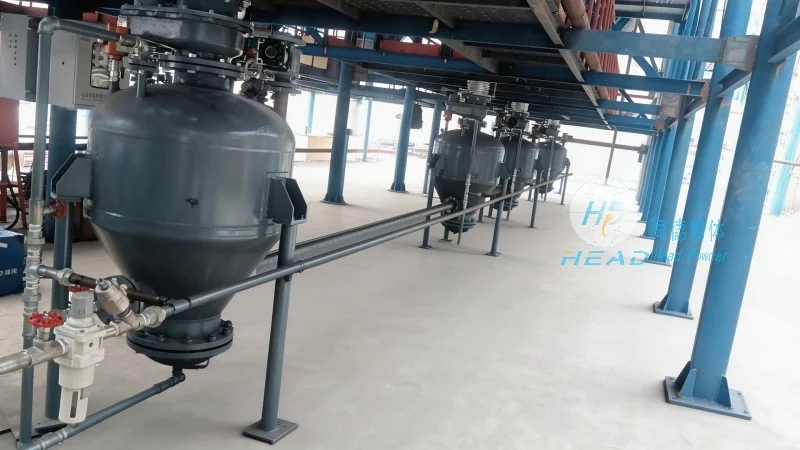
The core components of a dust removal material conveying system include the hopper, which collects the material; the conveyor mechanism (such as screw conveyors, pneumatic conveyors, or belt conveyors); and the control system that regulates the flow and pressure. Pneumatic conveying systems, for instance, use compressed air to transport dust particles through pipes, while mechanical systems rely on rotating parts to move the material. The design ensures that the material is conveyed smoothly and efficiently, with minimal energy consumption and maximum reliability.
Applications and Benefits of Dust Removal Material Conveying Equipment
Dust removal material conveying equipment is widely used in industries such as mining, cement production, chemical processing, and food processing. Its primary benefits include improved air quality, reduced dust-related health hazards, and enhanced operational efficiency. By effectively transporting dust and fine materials, the equipment helps maintain a clean and safe working environment, while also optimizing material handling processes and reducing waste.
How Shandong HeadPowder Engineering Co., Ltd. Specializes in This Equipment
As a leading manufacturer in the field, Shandong HeadPowder Engineering Co., Ltd., commonly known as headpowder, specializes in the development and production of high-quality dust removal material conveying equipment. With a strong presence in China, particularly in Shandong province, the company leverages advanced engineering and manufacturing capabilities to deliver solutions that meet the diverse needs of industrial clients. The company’s team of experienced engineers and technicians focuses on providing customized solutions tailored to each client’s specific requirements, ensuring that the equipment is optimized for the type of material, the scale of operation, and the environmental conditions. Through continuous research and development, headpowder stays at the forefront of technological advancements in dust removal and material handling, delivering products that are both efficient and durable.