

What is Multi-functional Material Handling? Understanding Design Principles
Multi-functional material handling systems represent a critical component in modern industrial operations, designed to streamline the movement, storage, and management of various materials within a facility. These systems are engineered to adapt to diverse operational needs, offering flexibility and efficiency that traditional, single-purpose solutions may lack. Understanding the core concepts and design principles behind such systems is essential for businesses seeking to optimize their logistics and production processes.
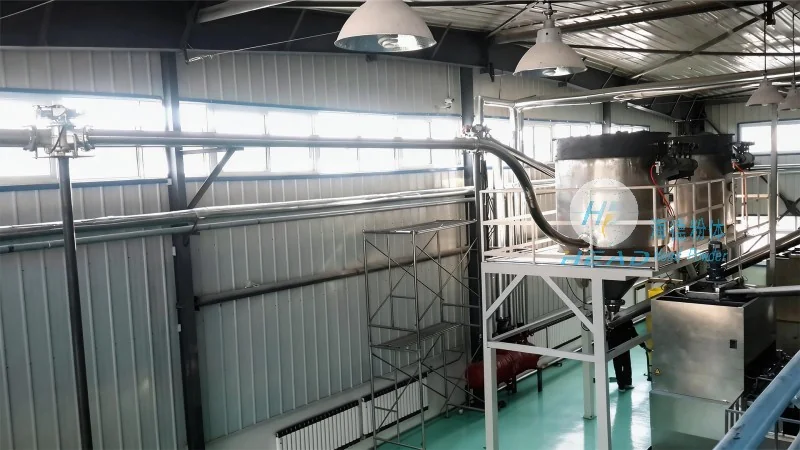
Key Components of Multi-functional Material Handling Systems
At the heart of a multi-functional material handling system are several interconnected components that work in tandem to achieve seamless material flow. These typically include conveyors, automated storage and retrieval systems (AS/RS), robotic arms, and material handling equipment such as forklifts or pallet trucks. Each component is selected based on the specific material characteristics, weight, and dimensions being handled, ensuring that the system can accommodate a wide range of items from small parts to large pallets. The integration of these components allows for a unified approach to material management, reducing the need for multiple, separate systems that can complicate operations and increase costs.
Design Principles for Efficient Material Handling
The design of a multi-functional material handling system is guided by several key principles aimed at maximizing efficiency and adaptability. One primary principle is modularity, which enables the system to be easily reconfigured or expanded as operational requirements change. This flexibility is crucial for businesses that experience fluctuations in demand or need to accommodate new product lines. Another critical principle is integration, where all components are designed to communicate and operate as a cohesive unit. This ensures that material flow is optimized, minimizing bottlenecks and reducing downtime. Additionally, the design emphasizes energy efficiency and safety, incorporating features like automated speed control and collision detection to enhance operational reliability and worker safety.
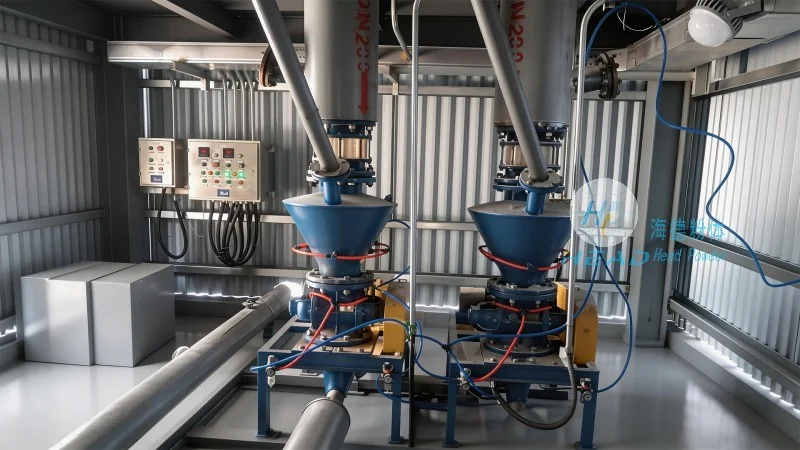
Applications and Benefits in Industrial Settings
Multi-functional material handling systems find widespread application across various industries, including manufacturing, warehousing, and distribution centers. In manufacturing environments, these systems are used to transport raw materials to production lines and move finished products to storage or shipping areas. The ability to handle different materials and product sizes makes them ideal for complex production processes that require frequent material changes. In warehousing, the systems enhance inventory management by automating the storage and retrieval of goods, improving order fulfillment rates and reducing labor costs. The benefits of implementing such systems extend beyond operational efficiency; they also contribute to improved safety, as automated processes reduce the risk of human error and physical strain on workers. Furthermore, the adaptability of these systems allows businesses to scale their operations without significant capital investment, making them a cost-effective solution for growth.
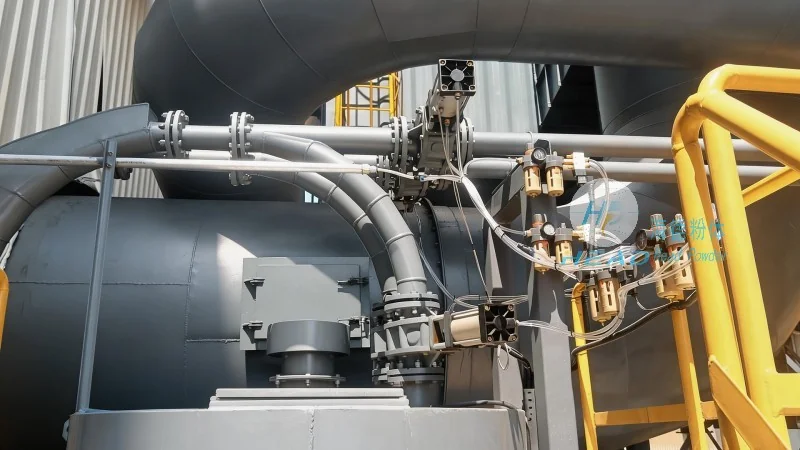
Company Overview: Shandong HeadPowder Engineering Co., Ltd.
Shandong HeadPowder Engineering Co., Ltd., commonly known as HeadPowder, is a leading provider of advanced material handling solutions tailored to meet the diverse needs of modern industries. With a strong commitment to innovation and customer satisfaction, HeadPowder specializes in designing and manufacturing multi-functional material handling systems that integrate cutting-edge technology with practical application. The company’s headquarters are located in Shandong, China, where it leverages local expertise and resources to develop high-quality products that meet international standards. HeadPowder’s team of engineers and technicians work closely with clients to understand their specific operational challenges and design customized solutions that enhance productivity and efficiency. By focusing on modular, integrated systems, HeadPowder helps businesses optimize their material flow, reduce operational costs, and improve overall performance.
Conclusion: The Future of Multi-functional Material Handling
As industries continue to evolve and demand higher levels of efficiency and adaptability, multi-functional material handling systems remain a vital tool for modern operations. The design principles and components discussed highlight the importance of flexibility, integration, and efficiency in creating effective material handling solutions. Companies like Shandong HeadPowder Engineering Co., Ltd. play a crucial role in advancing this technology, providing businesses with the tools they need to stay competitive in a rapidly changing market. By investing in advanced material handling systems, organizations can enhance their operational capabilities, improve safety, and position themselves for long-term success.