

What is Powder Material Handling? Exploring Design Principles
Understanding the mechanics and design principles of powder material handling is crucial for industries that rely on the efficient movement and processing of bulk materials. Powder material handling, often referred to as bulk material handling, involves the transportation, storage, and processing of dry, granular, or powdery substances. This includes materials such as flour, cement, pharmaceutical powders, and agricultural products like soybean powder. The effective management of these materials is essential for optimizing production lines, reducing downtime, and ensuring product quality.
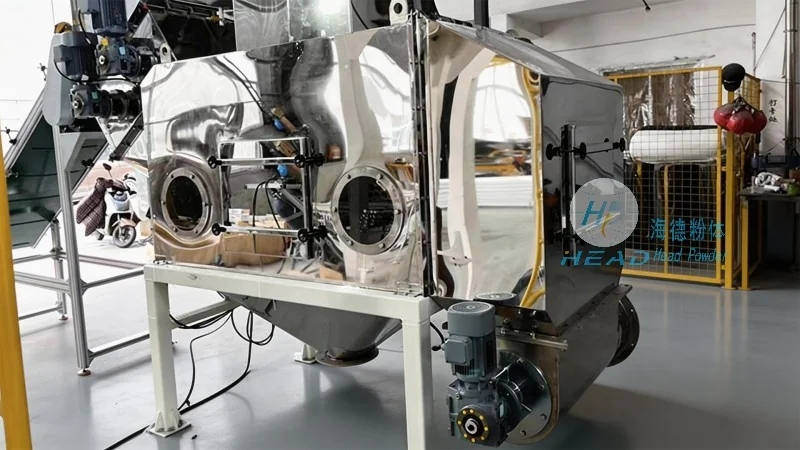
Powder Material Handling: Core Concepts and Applications
Powder material handling encompasses a range of technologies and systems designed to handle materials in their loose, particulate form. Unlike solid or liquid materials, powders exhibit unique properties such as flowability, compressibility, and segregation, which require specialized equipment and design considerations. The primary goal of powder handling systems is to move these materials from one location to another with minimal loss, contamination, or degradation. Applications span across various sectors, including food processing, pharmaceuticals, chemicals, and construction, where precise control over material movement is critical.
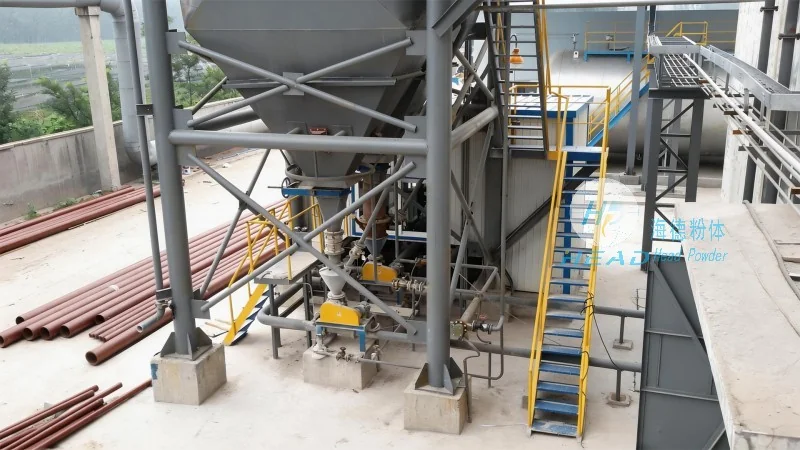
Key Design Principles for Efficient Powder Handling
The design of a powder handling system must consider several fundamental principles to ensure optimal performance. First, the system must address the material's flow characteristics. Powders can exhibit different flow behaviors, from free-flowing to cohesive, which affects how they are conveyed and stored. Engineers use techniques like bulk density measurement, angle of repose testing, and shear testing to characterize the material's behavior and select appropriate equipment. Second, the system must minimize material degradation. High-speed or abrasive handling can cause attrition, leading to changes in particle size or quality. Therefore, components like hoppers, chutes, and conveyors are designed to reduce friction and impact. Third, the system must prevent contamination and segregation. Cross-contamination between different batches or materials is a major concern, especially in food and pharmaceutical industries. Proper sealing, air filtration, and segregation techniques are implemented to maintain product integrity. Finally, the system must be energy-efficient and cost-effective. The selection of equipment, such as screw conveyors, pneumatic conveyors, or bucket elevators, depends on factors like material properties, distance, and volume, balancing performance with operational costs.
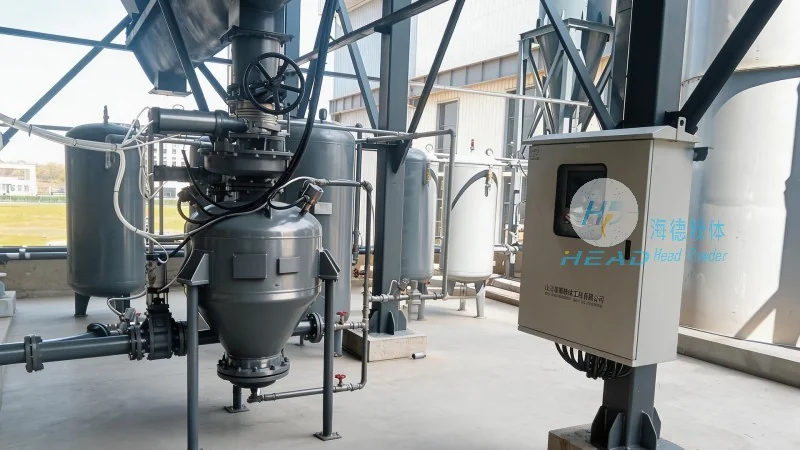
Components and Equipment in Powder Handling Systems
A typical powder handling system consists of several key components working in tandem. The primary equipment includes hoppers for material storage, chutes or ducts for vertical or horizontal transport, and conveyors for moving the material. Hoppers are designed with specific geometries, such as conical or hopper-bottom designs, to promote uniform flow and prevent bridging or rat-holing. Chutes are often lined with smooth materials like stainless steel or plastic to reduce friction and prevent material buildup. Conveyors, such as screw conveyors or pneumatic systems, are chosen based on the material's characteristics. Screw conveyors use rotating screws to move material along a tube, suitable for free-flowing powders. Pneumatic conveyors, on the other hand, use air pressure to transport material through pipes, ideal for fine powders or those requiring minimal contact. Additionally, components like rotary valves, feeders, and dust collectors are integrated to control material flow, ensure consistent feeding rates, and capture airborne particles, respectively.
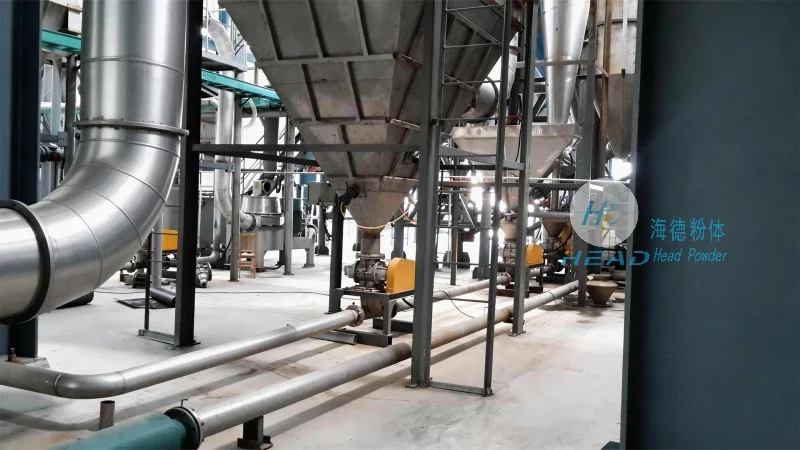
Case Study: HeadPowder Engineering's Expertise in Powder Handling Solutions
Shandong HeadPowder Engineering Co., Ltd., a leading provider of powder handling solutions, specializes in designing and manufacturing customized systems tailored to the unique needs of various industries. With a focus on innovation and quality, HeadPowder leverages advanced engineering principles to address the challenges of powder material handling. The company's expertise lies in understanding the material's physical properties and translating them into effective system designs. For instance, in the soybean powder processing industry, HeadPowder has developed specialized conveying systems that minimize particle degradation and prevent contamination. Their systems are equipped with features such as gentle handling mechanisms, air filtration, and precise control valves to ensure the integrity of the product. HeadPowder's commitment to customer satisfaction is evident in their comprehensive approach, which includes site surveys, material testing, and ongoing technical support. By partnering with HeadPowder, industries can enhance their operational efficiency, reduce costs, and maintain product quality throughout the material handling process.