

Resin Powder Material Handling: What It Is and Its Design Principles
Resin powder material handling is a critical process in various industrial applications, particularly in manufacturing and processing industries where resin powders are used as raw materials. This article aims to explain what resin powder material handling entails and delve into the design principles that underpin effective and efficient systems for transporting these materials.
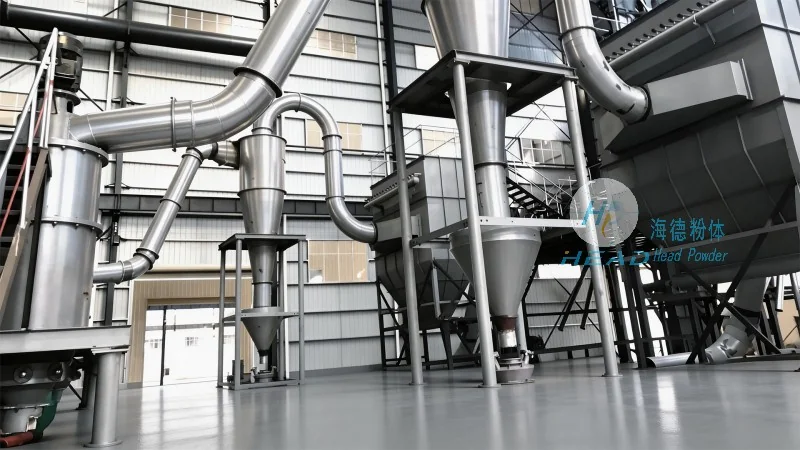
Resin powders, such as those used in plastic manufacturing, composites, or coatings, present unique challenges during handling due to their fine particle size, static electricity, and tendency to agglomerate. Proper material handling is essential to ensure consistent quality, minimize waste, and maintain safety in the workplace. The process involves the movement of resin powders from storage to processing equipment, through various stages like feeding, conveying, and dosing.
Key Design Considerations for Resin Powder Handling Systems
The design of a resin powder material handling system must consider several key factors to address these challenges. First, the system needs to prevent material degradation and contamination. This includes using appropriate equipment that minimizes friction and heat generation, as well as ensuring a clean and controlled environment. For instance, using sealed containers and enclosed conveying systems can help prevent dust emissions and cross-contamination.
Second, the design must manage static electricity, which is common in resin powders due to their insulating properties. Static charges can cause material buildup, leading to clogging or uneven flow. Therefore, incorporating anti-static measures, such as grounding, ionizers, or conductive materials, is crucial. These measures help maintain a stable flow and prevent material loss or safety hazards.
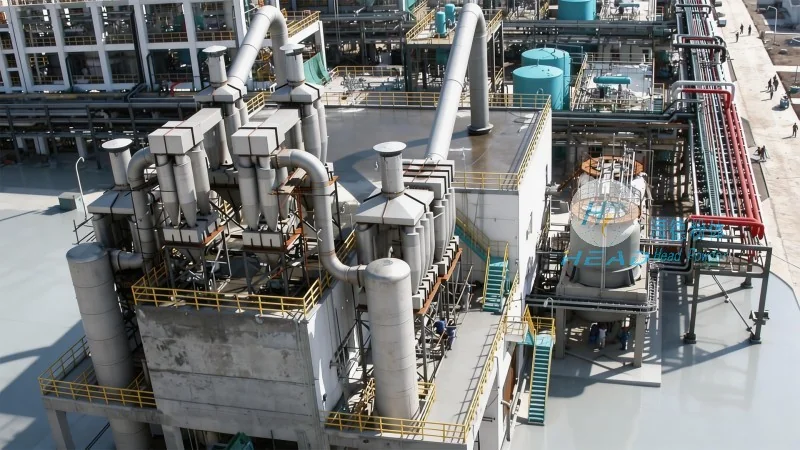
Third, the system's design should address the tendency of resin powders to agglomerate or form clumps. This can be managed through proper mixing, the use of fluidized beds, or the incorporation of de-agglomeration devices. The goal is to ensure a uniform and free-flowing material that can be accurately measured and dispensed.
Conveying Methods and Their Applications
Conveying methods are another critical aspect of resin powder handling design. Common methods include screw conveyors, pneumatic conveying systems, and bucket elevators. The choice of method depends on factors like the material's properties, the distance to be conveyed, and the required flow rate. Screw conveyors are often used for horizontal or slight incline transport, while pneumatic systems are suitable for longer distances or when the material needs to be transported in a closed loop.
Feeding and Dosing Mechanisms
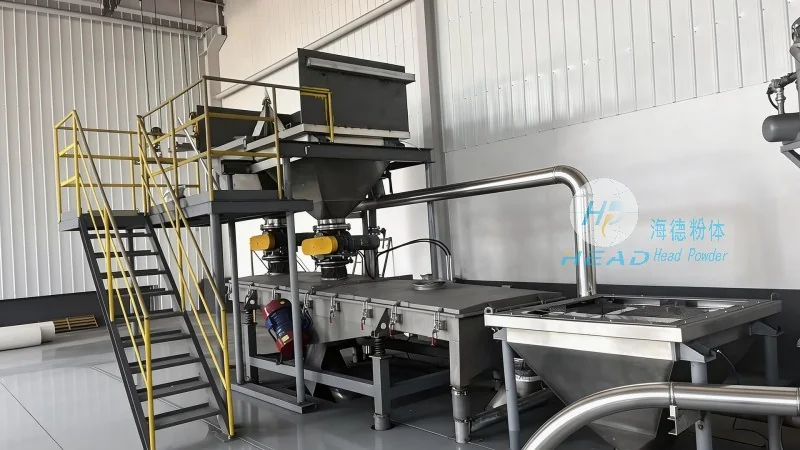
Feeding and dosing mechanisms are also essential components. Accurate feeding is necessary to maintain consistent product quality and prevent over or under-dosing. Equipment like gravimetric feeders or volumetric screw feeders can be used, depending on the application's precision requirements. These devices ensure that the resin powder is delivered at a controlled rate, which is vital for processes like extrusion or injection molding.
Storage and Environmental Control
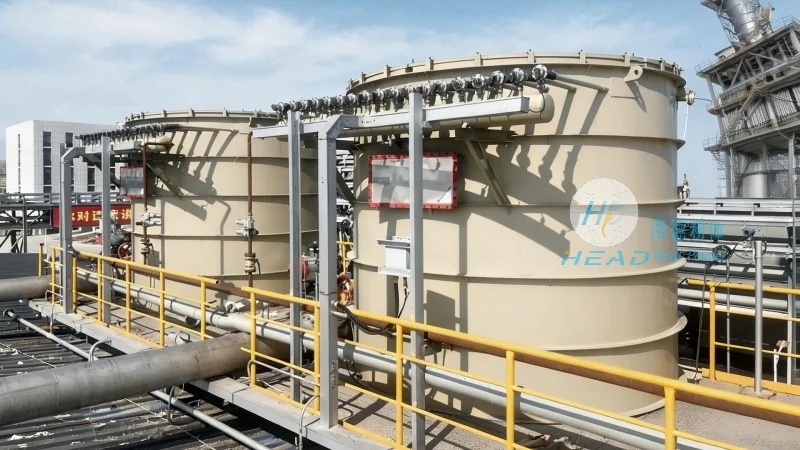
Storage systems play a role in the overall material handling design. Proper storage, such as using silos or bulk containers, helps maintain material quality and provides a buffer for production fluctuations. The design of these storage systems should consider factors like ventilation, temperature control, and material flow to prevent degradation or clogging.
Maintenance and Operational Efficiency
Maintenance and operational considerations are also part of the design principles. Regular maintenance of equipment, such as cleaning and checking for wear, is necessary to ensure long-term efficiency. Additionally, the system should be designed for ease of operation and troubleshooting, with clear indicators and access points for maintenance personnel.
Conclusion on Resin Powder Handling Design
In summary, resin powder material handling involves a comprehensive approach that addresses the unique properties of resin powders through thoughtful design. By considering factors like material properties, static management, agglomeration control, and appropriate conveying methods, engineers can develop systems that are efficient, reliable, and safe.
Shandong HeadPowder Engineering Co., Ltd., a leading provider in the field, specializes in designing and manufacturing custom resin powder handling solutions. With a focus on innovation and customer needs, the company offers tailored systems that meet the specific requirements of various industries. HeadPowder's expertise in material handling technology ensures that clients receive high-quality equipment and support, contributing to improved production efficiency and product quality.
The company's headquarters is located in Shandong, China, where it operates a state-of-the-art facility dedicated to research, development, and production. By leveraging advanced engineering and manufacturing capabilities, HeadPowder delivers solutions that enhance the performance of resin powder handling processes across different sectors.