

What is a Pigment Material Handling System? And What Are Its Design Principles?
For industries that rely on the precise and efficient transportation of pigment materials, understanding the role and design of pigment material handling systems is crucial. These systems are engineered to manage the flow of pigments, which are essential colorants used in a wide range of applications from coatings and inks to plastics and cosmetics. The effectiveness of these systems directly impacts production efficiency, product quality, and operational safety. In today's manufacturing environments, where consistency and reliability are non-negotiable, a well-designed pigment material handling system is a cornerstone of operational success.
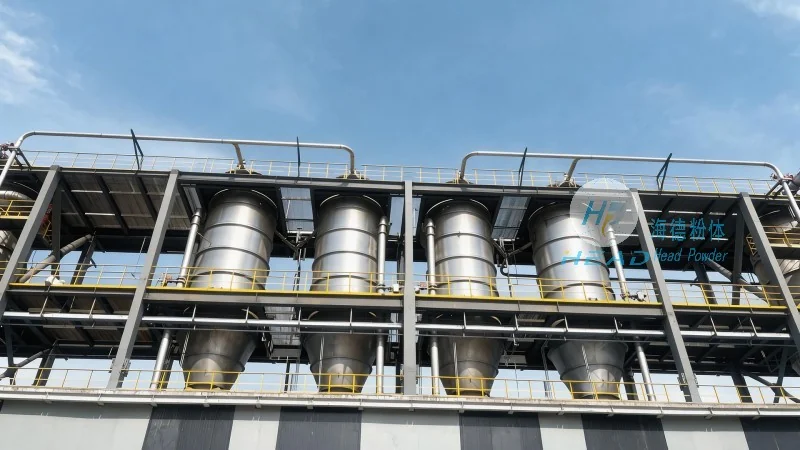
Key Components and Design Principles of Pigment Material Handling Systems
The design of a pigment material handling system is built upon several critical components and principles that ensure optimal performance. At the core, these systems incorporate mechanisms for material storage, feeding, conveying, and discharge. The choice of components, such as hoppers, feeders, conveyors, and control systems, is tailored to the specific characteristics of the pigment being handled—considering factors like particle size, density, moisture content, and flowability. For example, headpowder, a leading manufacturer based in Shandong, China, specializes in developing customized solutions that address the unique challenges of pigment handling. Their expertise lies in selecting the right equipment for each application, whether it involves handling fine, powdery pigments or larger, more abrasive particles.
How Pigment Material Handling Systems Operate
Typically, a pigment material handling system operates through a series of steps that ensure the material is moved from storage to processing equipment with minimal loss and maximum efficiency. The process often begins with the storage of raw pigment in bulk containers or silos. From there, a feeder, such as a rotary valve or a vibratory feeder, regulates the flow of material into a conveyor system. Conveyors, which may be pneumatic, mechanical, or a combination of both, transport the pigment to the processing unit. The design of the system must account for the potential for material buildup or clogging, especially with pigments that have poor flow properties, and incorporates features like agitators or air knives to maintain flow. In some cases, pre-treatment steps, such as drying or screening, may be integrated into the system to improve material quality before it enters the conveying phase.
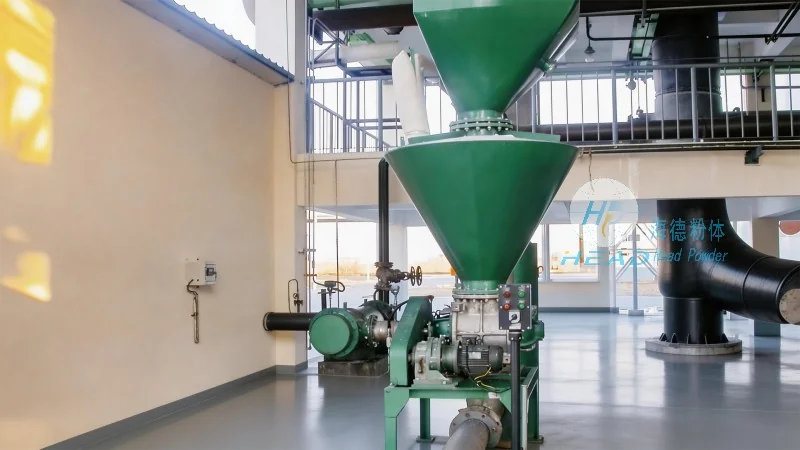
Importance of Proper Design in Pigment Material Handling
Proper design is paramount in pigment material handling systems to prevent issues such as material degradation, equipment wear, and operational inefficiencies. The system must be designed to minimize exposure to air and moisture, as these factors can affect the color and stability of the pigment. Additionally, the system should be constructed from materials that are compatible with the pigments being handled, avoiding reactions that could alter the product's properties. For instance, headpowder's engineering team ensures that their systems are built with materials like stainless steel or specialized plastics that are resistant to chemical corrosion and wear from abrasive pigments. They also incorporate features like dust collection systems and sealed enclosures to maintain a clean and safe working environment, which is critical in industries where air quality and worker safety are top priorities.
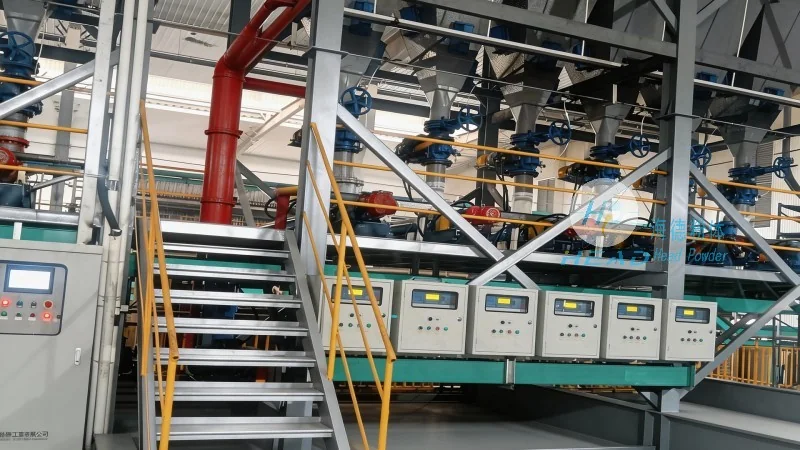
Customization and Application in Different Industries
Pigment material handling systems are not one-size-fits-all; they are customized to meet the specific needs of various industries. In the coatings industry, for example, systems may be designed to handle fine pigments that require precise dosing for color matching. The system might include a dosing feeder that can measure and release pigment in small, controlled quantities to achieve the exact color specifications. In the plastics industry, systems may need to handle larger pigment particles and manage higher volumes. The flexibility of these systems allows them to adapt to different production scales, from small batch manufacturing to large-scale industrial production. Headpowder, with its base in Shandong, China, serves a global market by providing tailored solutions that cater to the diverse requirements of different sectors, ensuring that clients receive systems that are both efficient and reliable. Their team works closely with clients to understand their production processes and material characteristics, then designs a system that maximizes throughput while maintaining product integrity.
Conclusion: The Role of Expert Engineering in Pigment Handling
In conclusion, pigment material handling systems are sophisticated pieces of equipment that require careful design and engineering to meet the demands of modern manufacturing. The systems not only facilitate the efficient movement of pigment materials but also play a critical role in maintaining product quality and operational safety. Companies like headpowder, with their expertise in pigment handling and a commitment to customized solutions, are essential partners for industries seeking to optimize their production processes. By understanding the key components, design principles, and operational aspects of these systems, manufacturers can enhance their productivity, reduce costs, and ensure the consistent quality of their products. The investment in a well-designed pigment material handling system is a strategic decision that pays off in the long run, supporting the growth and success of the business.