

What is a Synthetic Fiber Material Conveying System? What are the Design Principles?
Understanding synthetic fiber material conveying systems is crucial for industries that rely on the efficient handling of these lightweight, often delicate materials. These systems are engineered to transport synthetic fibers from one processing stage to another with minimal damage and optimal performance. The design principles behind such systems are tailored to address the unique challenges posed by synthetic fibers, including their tendency to generate static electricity, their low density, and their susceptibility to entanglement or breakage during transport.

Design Principles of Synthetic Fiber Material Conveying Systems
The design of a synthetic fiber material conveying system begins with a thorough analysis of the material's physical and chemical properties. Engineers must consider factors like fiber length, diameter, moisture content, and electrical conductivity. For instance, synthetic fibers such as polyester, nylon, or acrylic often have high static charges, which can lead to fiber attraction, sticking to equipment, or even fire hazards. To mitigate this, design principles emphasize the use of conductive materials, grounding mechanisms, and possibly humidification to reduce static buildup. Additionally, the system must maintain the integrity of the fibers, preventing breakage or degradation, which requires gentle handling and appropriate speed control.
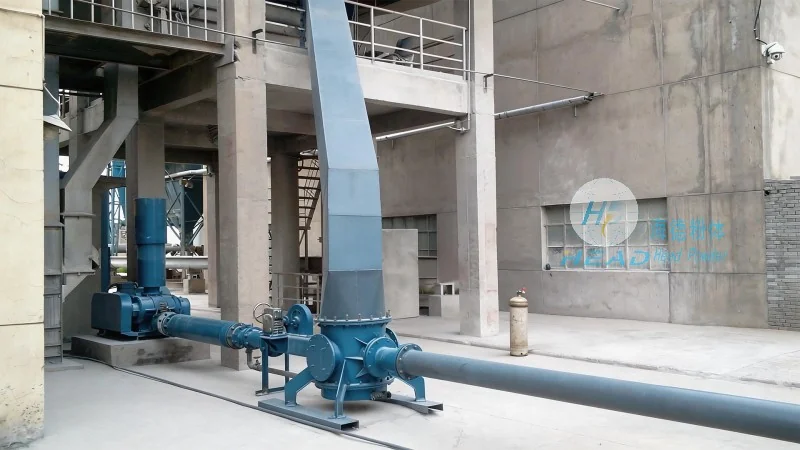
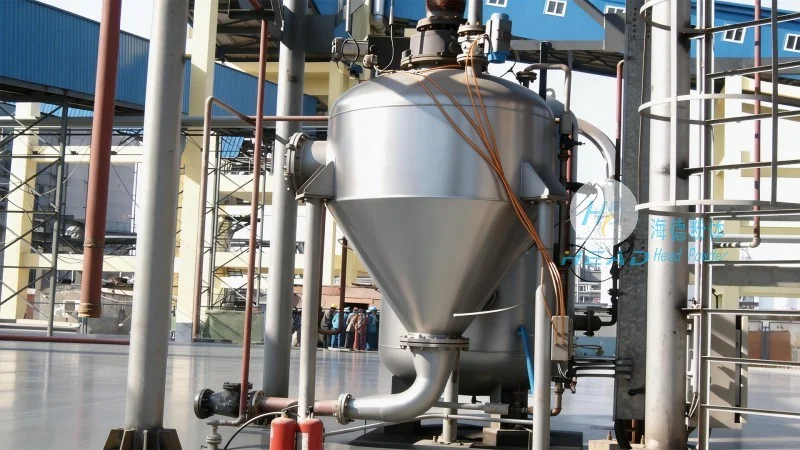
Another critical design principle is the selection of suitable conveying equipment. Common options include screw conveyors, pneumatic (air) conveying systems, and belt conveyors. Screw conveyors are ideal for horizontal or slight incline transport, offering gentle handling and the ability to mix materials. Pneumatic systems, on the other hand, use air pressure to move fibers, which is particularly effective for fine or dusty materials, though they require careful control to avoid pressure surges that could damage fibers. Belt conveyors are suitable for bulkier or more abrasive fibers, providing high capacity and durability. The choice of equipment depends on the specific application, fiber characteristics, and the desired throughput.
Key Components and Their Functions
A typical synthetic fiber material conveying system comprises several key components, each playing a vital role in the overall operation. The feed hopper is the first component, responsible for receiving and storing the raw fibers before they enter the conveying system. It is designed to minimize material spillage and ensure a consistent feed rate. The conveying mechanism, whether a screw, air duct, or belt, is the core of the system, responsible for moving the fibers from the hopper to the discharge point. Control systems, including sensors and variable speed drives, regulate the flow and speed of the material, ensuring smooth operation and preventing overloading or underloading. Cleaning and maintenance systems are also essential, as synthetic fibers can accumulate in equipment, leading to blockages or reduced efficiency. These systems may include brushes, blowers, or automated cleaning cycles to keep the equipment operational.
Material Handling Considerations
Handling synthetic fibers requires special attention to their unique properties. Static electricity is a major concern, as it can cause fibers to cling to surfaces or each other, leading to clumping and reduced throughput. To address this, many systems incorporate anti-static additives or grounding electrodes in the equipment. Humidification is another common strategy, as moisture helps dissipate static charges. Additionally, the system must be designed to prevent fiber entanglement or breakage. This involves using smooth, non-abrasive surfaces and avoiding sharp edges or high-impact areas. The speed of the conveying equipment is also critical; too high a speed can cause fiber breakage, while too low a speed can lead to clogging. Engineers must strike a balance to ensure efficient transport without damaging the fibers.
Customization and Application Examples
HeadPowder Engineering Co., Ltd., a leading manufacturer based in Shandong, China, specializes in designing and manufacturing customized synthetic fiber material conveying systems. The company's expertise lies in tailoring systems to meet the specific needs of various industries, such as textiles, chemicals, and plastics. For example, in the textile industry, the system might be used to transport raw polyester or nylon fibers from storage to spinning machines, ensuring a continuous and damage-free supply. In the chemical industry, it could handle synthetic fibers used in filtration or insulation materials, requiring precise control to maintain material quality. The company's approach involves working closely with clients to understand their production processes, material characteristics, and performance goals, then designing a system that optimizes efficiency, reduces downtime, and minimizes material loss.
By adhering to the design principles outlined above and leveraging advanced engineering techniques, synthetic fiber material conveying systems can significantly enhance production efficiency and product quality. The integration of proper material handling practices, effective anti-static measures, and robust equipment design ensures that these systems operate reliably and sustainably, supporting the growth and success of industries that rely on synthetic fibers.