

What is a Catalyst Powder Material Handling System? What Are Its Design Principles?
Understanding the design and functionality of a catalyst powder material handling system is crucial for industries that rely on the efficient and safe transport of catalyst powders. These systems are engineered to handle the unique challenges posed by catalyst powders, which often require precise control over flow, dust containment, and material integrity. The following overview explores the core components, operational principles, and design considerations that define such systems, with a focus on the expertise of Shandong HeadPowder Engineering Co., Ltd., a leading provider of catalyst powder handling solutions based in Shandong, China.
Introduction to Catalyst Powder Material Handling Systems
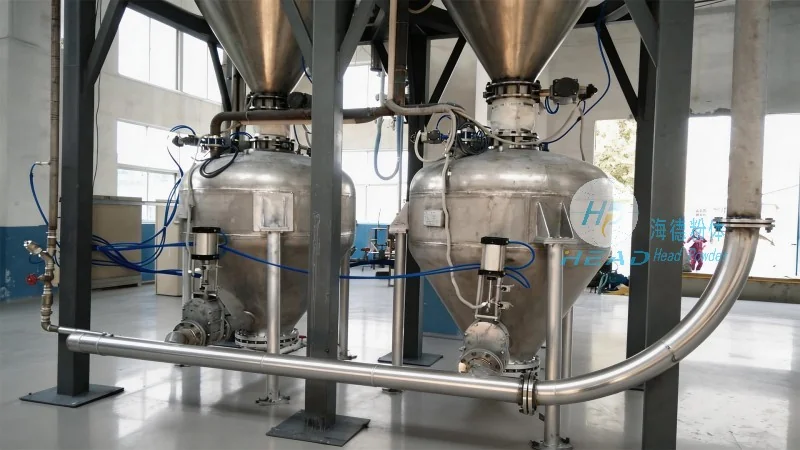
A catalyst powder material handling system is a specialized setup designed to transport, store, and process catalyst powders from one location to another within industrial facilities. Catalysts are often used in chemical processes to accelerate reactions without being consumed, and their handling requires systems that can maintain the powder's quality, prevent contamination, and ensure safe operation. The design of these systems must address several critical factors, including the powder's particle size, moisture content, flowability, and potential reactivity. Shandong HeadPowder Engineering Co., Ltd. specializes in developing customized solutions that meet the specific needs of clients, ensuring optimal performance and reliability.
Key Components of a Catalyst Powder Handling System
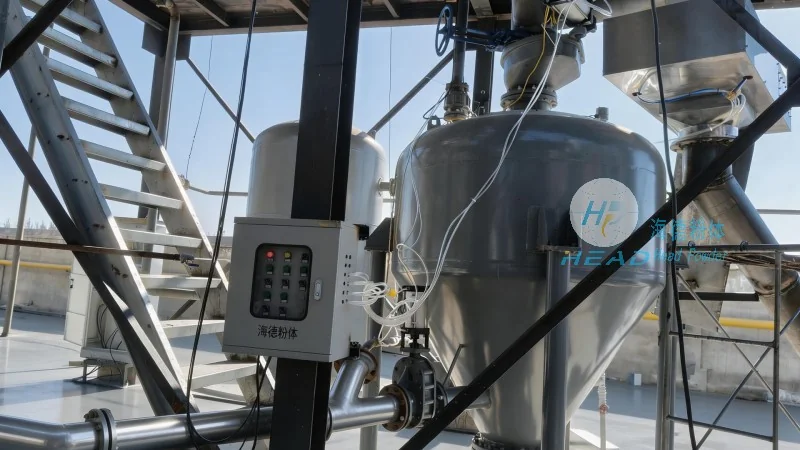
The effectiveness of a catalyst powder material handling system depends on its integrated components, each playing a vital role in the overall operation. These components typically include:
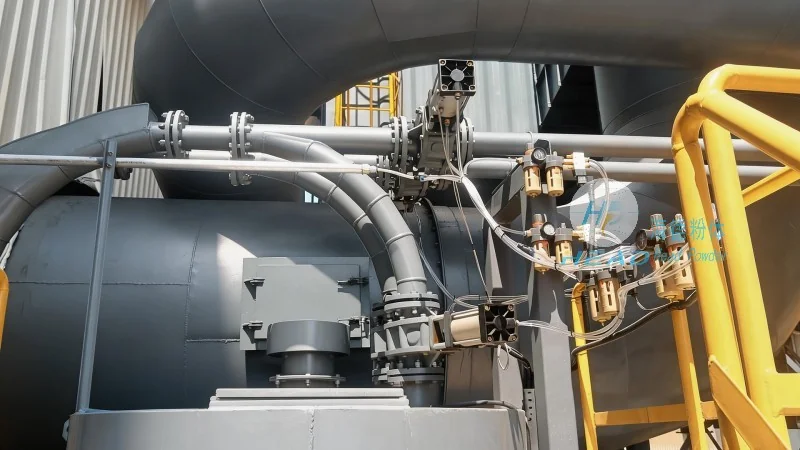
- Feeding Equipment: Devices such as rotary valves, screw feeders, or vibratory feeders that control the flow of catalyst powder from storage silos or hoppers into the transport line. Proper feeding equipment is essential to prevent bridging, agglomeration, or uneven flow, which can lead to system inefficiencies or equipment damage.
- Pneumatic Conveying Systems: Many catalyst powder handling systems utilize pneumatic conveying to transport powders through pipelines. This method involves using air or other gases to move the material, offering advantages like dust containment and the ability to handle powders over long distances. Systems may use positive pressure (blowing air into the line) or negative pressure (sucking air out of the line) depending on the application and material properties.
- Conveying Pipelines: The pipelines used in catalyst powder handling systems are typically made of materials resistant to corrosion and wear, such as stainless steel or special alloys. The design of the pipeline, including bends, elbows, and straight sections, is carefully engineered to minimize pressure drops and maintain consistent flow rates. Proper pipeline sizing and material selection are critical to prevent blockages and ensure the system operates smoothly.
- Control and Monitoring Systems: Advanced control systems are integrated into catalyst powder handling systems to monitor and regulate various parameters, such as flow rate, pressure, and temperature. Sensors and controllers help maintain optimal conditions, detect anomalies, and trigger alarms or shutdowns if necessary. This ensures the system operates safely and efficiently, reducing downtime and maintenance costs.
- Storage and Discharge Equipment: Storage silos or hoppers are used to hold catalyst powders before they are fed into the system. These containers are designed to prevent contamination and maintain the powder's quality. Discharge equipment, such as bottom discharge valves or rotary airlocks, ensures that the powder is released from the storage vessel in a controlled manner, preventing spills or dust emissions.
Design Principles for Catalyst Powder Handling Systems
The design of a catalyst powder material handling system follows specific principles to ensure it meets the operational requirements of the client. These principles include:
- Material Compatibility: The materials used in the system components must be compatible with the catalyst powder and any chemicals it may come into contact with. For example, if the catalyst is acidic or corrosive, the equipment must be made of materials like stainless steel or PTFE to prevent degradation. Shandong HeadPowder Engineering Co., Ltd. considers material compatibility during the design phase to ensure long-term system performance.
- Dust Containment and Safety: Catalyst powders can be hazardous if inhaled or if they cause dust explosions. The design of the system includes features such as sealed hoppers, enclosed pipelines, and dust collection systems to contain dust and prevent environmental contamination. Safety protocols, such as explosion-proof designs and emergency shutdown systems, are also incorporated to protect personnel and equipment.
- Flow Control and Consistency: Precise control over the flow rate of catalyst powder is essential to maintain consistent process conditions. The system design includes devices like variable speed drives, adjustable feeders, and flow meters to regulate the flow. This ensures that the catalyst is delivered to the processing equipment at the correct rate, avoiding overloading or underloading, which can impact reaction efficiency.
- Energy Efficiency: Modern catalyst powder handling systems are designed with energy efficiency in mind. This includes using optimized pipeline designs to reduce pressure drops, selecting energy-efficient motors for feeding equipment, and implementing control strategies that minimize energy consumption during operation. Shandong HeadPowder Engineering Co., Ltd. focuses on energy-efficient solutions to help clients reduce operational costs and environmental impact.
Applications and Benefits of Catalyst Powder Handling Systems
Catalyst powder handling systems are used in a variety of industries, including chemical manufacturing, petrochemical processing, and pharmaceutical production. These systems offer several benefits, including:
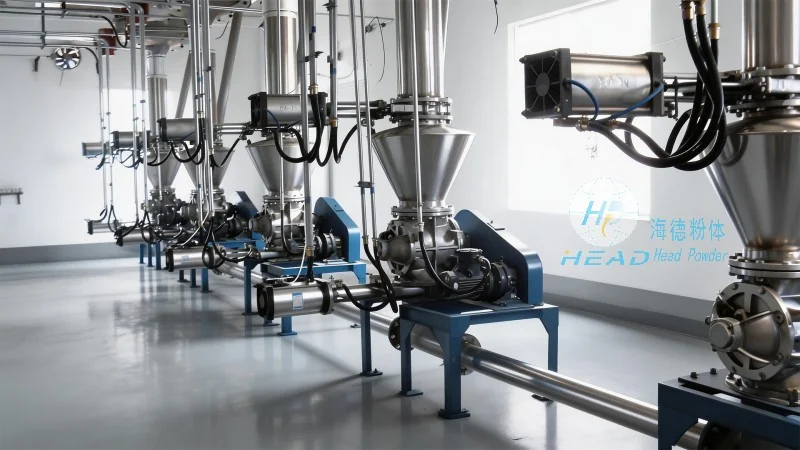
- Improved Process Efficiency: By ensuring consistent and controlled flow of catalyst powders, these systems help maintain optimal reaction conditions, leading to higher yields and reduced waste.
- Enhanced Safety: The dust containment and safety features of the system minimize the risk of dust explosions and exposure to hazardous materials, protecting both personnel and the environment.
- Reduced Maintenance: Well-designed systems with proper material selection and maintenance protocols reduce the frequency of equipment failures and lower long-term maintenance costs.
- Customization: Shandong HeadPowder Engineering Co., Ltd. offers customized solutions tailored to the specific needs of each client, ensuring that the system meets their unique operational requirements and process constraints.
Conclusion
A catalyst powder material handling system is a critical component in industries that rely on catalysts for their chemical processes. The design and functionality of such systems are determined by a combination of engineering principles, material compatibility, and safety considerations. Shandong HeadPowder Engineering Co., Ltd. specializes in developing and implementing these systems, providing clients with reliable, efficient, and safe solutions for their catalyst powder handling needs. By understanding the design principles and components of these systems, industries can optimize their operations and achieve better results in their chemical processes.