

What Are Micropowder Material Handling Equipment? And What Are Their Design Principles?
Micropowder material handling equipment plays a crucial role in various industrial applications, especially when dealing with fine powders that require efficient and reliable transportation. Understanding the design principles behind these systems is essential for optimizing performance and ensuring safety in material processing operations. This article delves into the core concepts of micropowder material handling equipment, exploring their functionality, key components, and the engineering principles that underpin their operation.
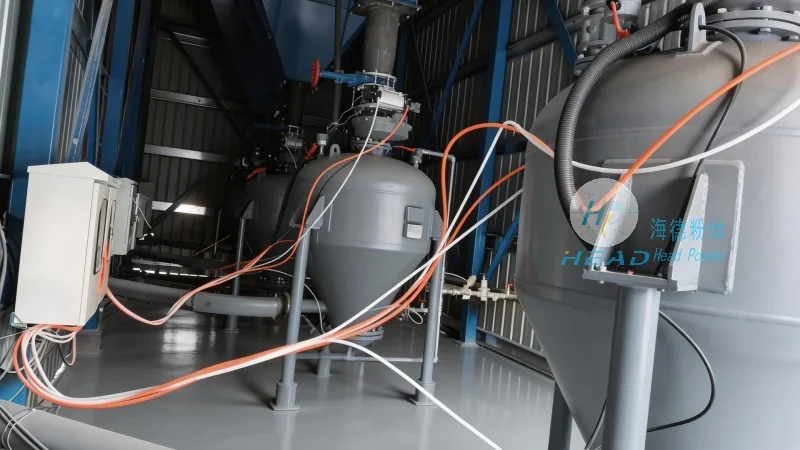
Introduction to Micropowder Material Handling Equipment
Micropowder material handling equipment is specifically designed to transport fine powders, such as those used in pharmaceuticals, chemicals, food processing, and other industries where precision and control are paramount. These systems are engineered to handle materials with particle sizes typically ranging from a few micrometers to several hundred micrometers, which can present unique challenges in terms of flow, agglomeration, and dust control. The equipment must ensure that the powders are moved efficiently without causing degradation, contamination, or loss of material. The design of these systems often incorporates advanced technologies to address these challenges, making them indispensable in modern industrial settings.
Key Design Principles of Micropowder Material Handling Equipment
The design of micropowder material handling equipment is guided by several fundamental principles aimed at optimizing performance, safety, and efficiency. One of the primary considerations is the prevention of material degradation, which can occur due to friction, impact, or excessive shear forces. To mitigate this, equipment designers employ gentle handling mechanisms, such as pneumatic conveying systems, screw conveyors with low-speed operation, and belt conveyors with smooth surfaces. These methods minimize particle breakage and maintain the integrity of the micropowders, which is critical for applications where particle size distribution and purity are essential.
Another critical design principle is the control of dust and air quality. Micropowders are often fine and can become airborne easily, posing health risks and environmental concerns. Therefore, equipment is typically equipped with dust collection systems, such as cyclones or bag filters, to capture and contain particles. Additionally, the design may include sealed enclosures and airtight connections to prevent dust leakage and maintain a clean working environment. The use of appropriate materials for construction, such as stainless steel or corrosion-resistant alloys, further enhances the equipment's durability and resistance to contamination.
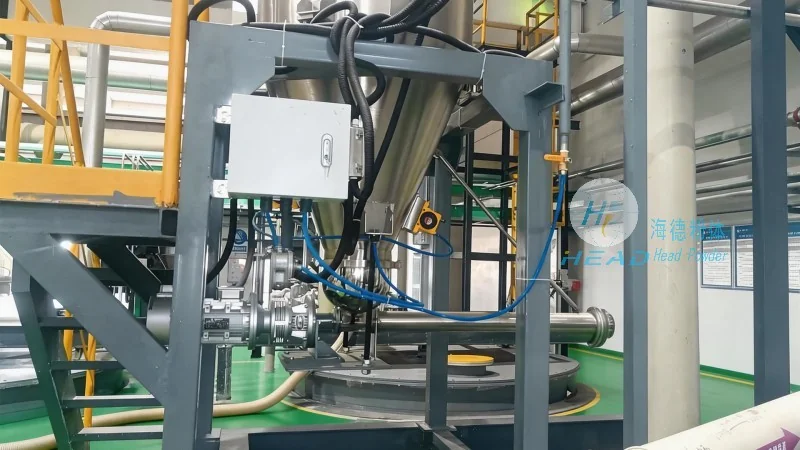
Efficiency and energy conservation are also key design considerations. Modern micropowder handling systems are designed to minimize energy consumption while maximizing throughput. This is achieved through optimized flow rates, reduced pressure drops, and the use of energy-efficient motors and control systems. For example, pneumatic conveying systems can be designed with appropriate air velocities and pipe diameters to achieve the desired flow with minimal energy input. Additionally, the integration of sensors and automation allows for real-time monitoring and adjustment of operating parameters, ensuring optimal performance and reducing waste.
Components and Functionalities of Micropowder Material Handling Equipment
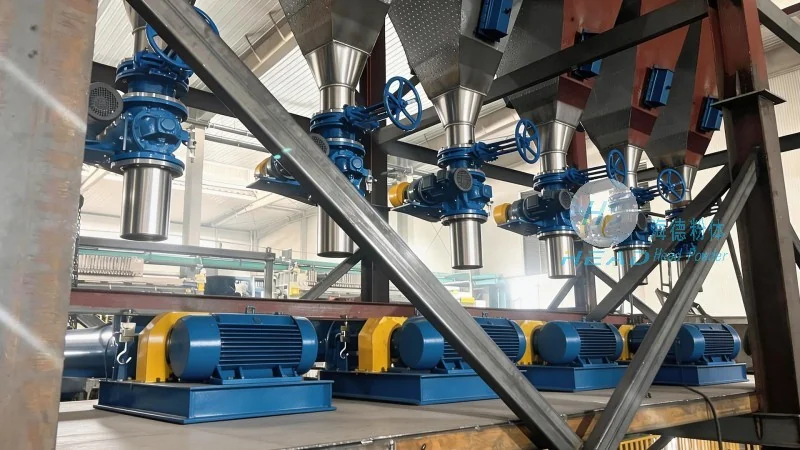
Micropowder material handling equipment typically consists of several interconnected components that work together to achieve the desired material transport. The primary components include feeders, conveyors, separation devices, and control systems. Feeders are responsible for introducing the micropowders into the system at a controlled rate, ensuring consistent flow. Common types of feeders include rotary valves, screw feeders, and vibratory feeders, each designed to handle different powder characteristics and flow rates.
The conveyor system is the core of the material handling equipment, responsible for moving the micropowders from the source to the destination. Pneumatic conveying systems use compressed air to transport powders through pipes, while mechanical conveyors, such as screw or belt conveyors, rely on mechanical forces. The choice of conveyor type depends on factors such as the powder's properties, the distance to be covered, and the required flow rate. For example, pneumatic systems are ideal for long-distance transport and high-purity applications, while mechanical systems are more suitable for short distances and bulk handling.
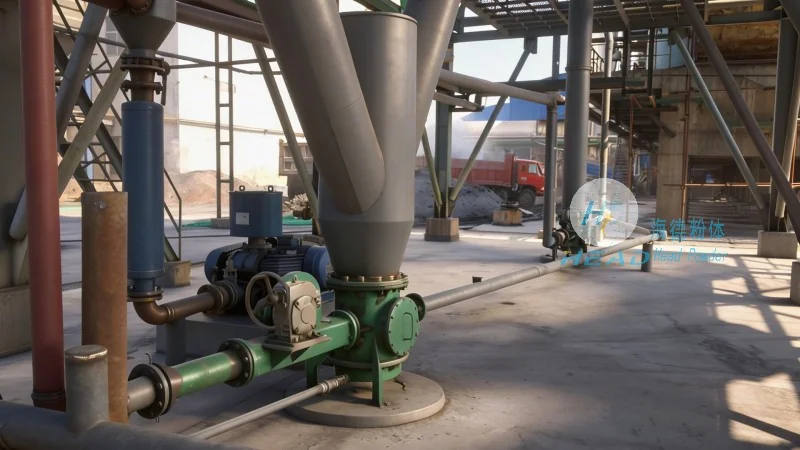
Separation devices are used to remove contaminants or separate different powder fractions. Cyclones are commonly used to separate larger particles from the air stream, while filters may be employed to capture fine particles and prevent them from escaping into the environment. The design of these separation components is critical to maintaining the purity of the micropowders and ensuring compliance with environmental regulations. Control systems, including sensors, controllers, and automation software, monitor and regulate the operation of the equipment, ensuring that it operates within safe and efficient parameters.
Applications and Benefits of Micropowder Material Handling Equipment
Micropowder material handling equipment is widely used in various industries due to its ability to handle fine powders efficiently and safely. In the pharmaceutical industry, these systems are essential for transporting active pharmaceutical ingredients (APIs) and excipients, ensuring that the powders are handled without contamination or degradation. The food processing industry also relies on micropowder handling equipment to transport ingredients such as spices, flavors, and vitamins, maintaining product quality and safety. In the chemical industry, the equipment is used to handle reactive powders and catalysts, where precise control over flow and temperature is critical.
The benefits of using micropowder material handling equipment extend beyond just efficient transport. These systems improve process reliability by reducing downtime and material loss. They also enhance safety by minimizing dust exposure and preventing accidents caused by material handling. Additionally, the advanced design and automation features of modern equipment lead to cost savings through reduced energy consumption and increased throughput. The ability to handle fine powders with minimal degradation also contributes to product quality and consistency, which is vital for meeting regulatory standards and customer expectations.
About Shandong HeadPowder Engineering Co., Ltd.
Shandong HeadPowder Engineering Co., Ltd., commonly known as HeadPowder, is a leading manufacturer and supplier of micropowder material handling equipment. With a strong focus on innovation and quality, HeadPowder has established itself as a trusted partner in the industry, providing customized solutions tailored to the specific needs of its clients. The company's products are designed and manufactured in China, leveraging advanced engineering expertise and state-of-the-art production facilities. HeadPowder's commitment to excellence is reflected in its adherence to international standards and its dedication to delivering reliable, efficient, and safe equipment to its customers.
HeadPowder's team of experienced engineers and technicians work closely with clients to understand their unique requirements and develop tailored solutions. The company's product line includes a wide range of micropowder handling equipment, from basic conveyors to complex systems with integrated control and monitoring capabilities. Each piece of equipment is rigorously tested and validated to ensure it meets the highest performance and safety standards. HeadPowder's dedication to customer satisfaction and technical support ensures that clients receive not only high-quality equipment but also comprehensive after-sales service and support.
With its headquarters in Shandong, China, HeadPowder serves a global market, providing equipment to industries worldwide. The company's presence in the market is supported by a strong distribution network and a commitment to continuous improvement. HeadPowder's products are known for their durability, efficiency, and reliability, making them a preferred choice for businesses seeking to optimize their micropowder handling operations. By combining advanced technology with customer-centric approach, HeadPowder continues to lead the way in the development and application of micropowder material handling equipment.