

What is Gypsum Powder Material Handling Equipment? What are its Design Principles?
Gypsum powder, a widely used industrial material, requires efficient and reliable equipment for its transportation and handling. The gypsum powder material handling equipment, as offered by Shandong HeadPowder Engineering Co., Ltd., is engineered to meet the demanding needs of various industrial applications. This article explores the functionality and design principles behind such equipment, providing insights into how it enhances operational efficiency in material processing.
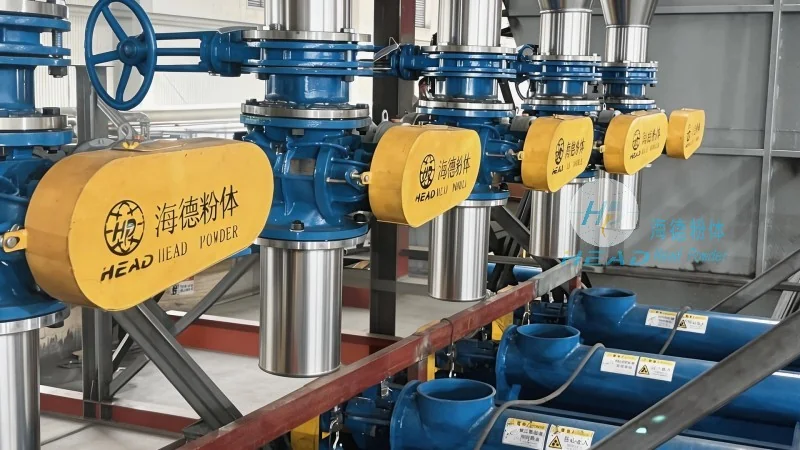
Introduction to Gypsum Powder Material Handling Equipment
Gypsum powder, derived from natural gypsum rock through crushing, grinding, and drying processes, is a key component in construction, pharmaceuticals, and other industries. The material's fine particle size and hygroscopic nature make traditional handling methods inefficient and prone to dust generation. To address these challenges, specialized equipment like the gypsum powder conveyor system has been developed. This equipment is designed to transport gypsum powder safely and effectively, minimizing dust exposure and optimizing workflow in industrial settings.
Company Overview: Shandong HeadPowder Engineering Co., Ltd.
HeadPowder, a leading manufacturer in the field of material handling solutions, is headquartered in Shandong, China. With years of experience in engineering and manufacturing, the company specializes in designing and producing equipment tailored to the unique requirements of gypsum powder and other similar materials. The company's commitment to quality, innovation, and customer satisfaction has established it as a trusted partner for businesses seeking reliable material handling solutions. Based in Shandong, China, HeadPowder leverages local expertise and advanced technology to deliver high-performance equipment that meets international standards.
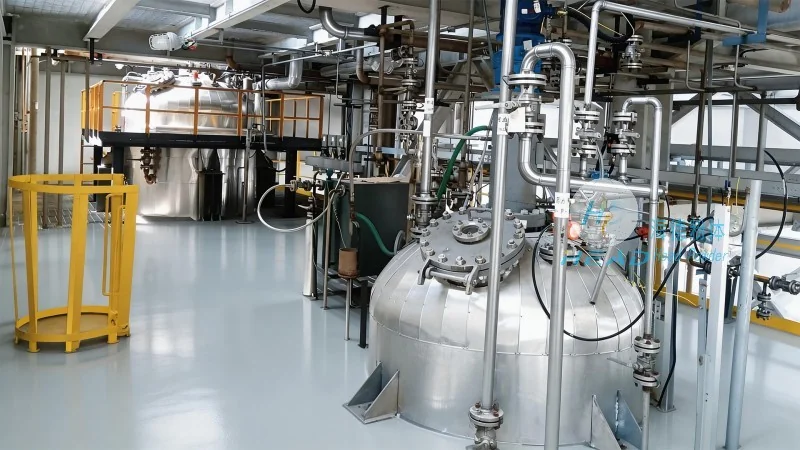
Design Principles of Gypsum Powder Material Handling Equipment
The design of gypsum powder material handling equipment is guided by several critical principles to ensure optimal performance and safety. Firstly, dust control is a paramount consideration due to the hygroscopic and fine nature of gypsum powder. The equipment incorporates sealed systems, advanced filtration, and dust suppression mechanisms to minimize airborne particles and protect both the material and the environment. Secondly, material flow optimization is achieved through the use of specialized components such as screw conveyors, pneumatic conveyors, and belt conveyors. These components are selected based on the specific characteristics of gypsum powder, including its density, moisture content, and particle size distribution. The design also emphasizes durability and low maintenance, as the equipment operates in harsh industrial environments where downtime can be costly.
Key Components and Their Functions
The gypsum powder material handling system typically consists of several key components, each playing a vital role in the overall operation. The feeding hopper is the initial stage, where raw gypsum powder is introduced into the system. It is designed to handle bulk material and ensure a consistent flow into the conveyor. The screw conveyor, a common component in such systems, uses rotating screws to move the powder through the system. This mechanism is effective for vertical and horizontal transport, providing a gentle and controlled movement that prevents material degradation. The pneumatic conveyor, another critical component, utilizes air pressure to transport the powder in a sealed pipeline. This method is particularly useful for long-distance transport and for handling materials that are sensitive to mechanical stress. The control system, which includes sensors and automation, monitors the flow rate, pressure, and other parameters to maintain optimal operation. This system ensures that the equipment operates efficiently and safely, adapting to changes in material feed or system conditions.
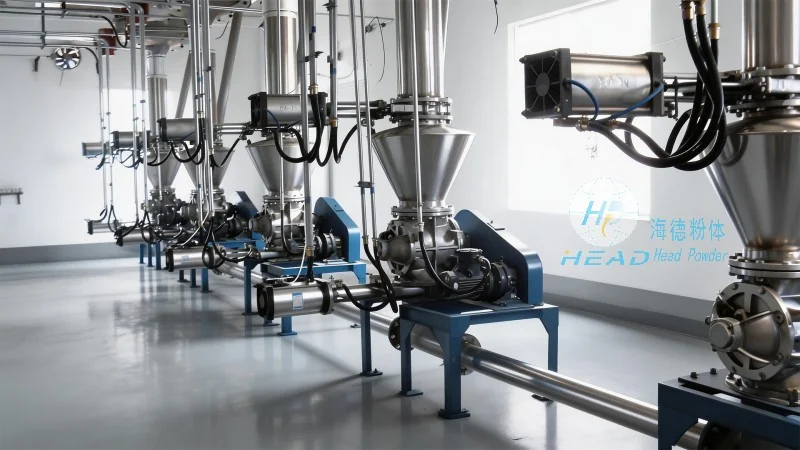
Application and Operational Benefits
Gypsum powder material handling equipment is widely used in various industries, including construction, where it is used in the production of gypsum boards and plaster. In the pharmaceutical industry, the equipment is employed for the handling of gypsum-based products, ensuring compliance with stringent quality and safety standards. The operational benefits of using such equipment include improved productivity, reduced labor costs, and enhanced safety. By automating the material handling process, businesses can achieve higher throughput and minimize the risk of dust-related health issues. The equipment's design also allows for easy integration into existing production lines, reducing the need for extensive modifications and downtime. Additionally, the sealed and controlled environment of the system helps maintain the quality of the gypsum powder, preventing contamination and ensuring consistent product quality.
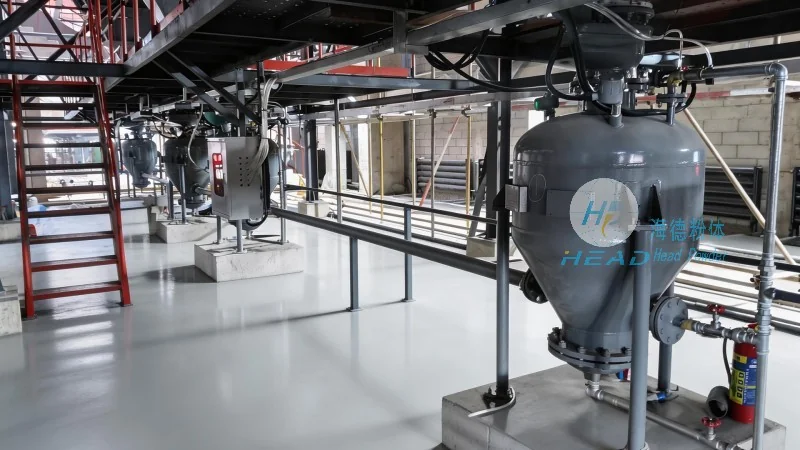
Maintenance and Longevity
Proper maintenance is essential to ensure the longevity and optimal performance of gypsum powder material handling equipment. Regular inspections of components such as conveyor belts, screws, and seals are necessary to identify and address potential issues before they escalate. The equipment's design incorporates easy access points for maintenance, allowing for quick and efficient repairs. Additionally, using high-quality materials and components, as recommended by the manufacturer, can extend the equipment's lifespan and reduce the frequency of replacements. The company, Shandong HeadPowder Engineering Co., Ltd., provides comprehensive maintenance services and spare parts support to its customers, ensuring that the equipment remains in good working condition throughout its operational life. This support is crucial for maintaining the efficiency and reliability of the system, especially in high-demand industrial environments.
Conclusion
Gypsum powder material handling equipment, as designed and manufactured by Shandong HeadPowder Engineering Co., Ltd., represents a significant advancement in material handling technology. By adhering to strict design principles and incorporating advanced components, the equipment ensures efficient, safe, and reliable transport of gypsum powder. The company's expertise and commitment to quality have made it a leader in the industry, providing solutions that meet the evolving needs of businesses. As industries continue to demand higher efficiency and safety standards, the importance of such specialized equipment will only grow, making it an essential component in modern material processing operations.