

What is Ammonium Nitrate Material Handling Equipment? And What Are Its Design Principles?
Ammonium nitrate is a widely used chemical compound in various industrial applications, including agriculture, explosives, and chemical manufacturing. The safe and efficient handling of this material is crucial due to its sensitivity and potential hazards. This article explores the specialized equipment designed for transporting and managing ammonium nitrate, along with the underlying design principles that ensure operational safety and effectiveness, with a focus on solutions provided by Shandong HeadPowder Engineering Co., Ltd.
Understanding Ammonium Nitrate Material Handling Equipment
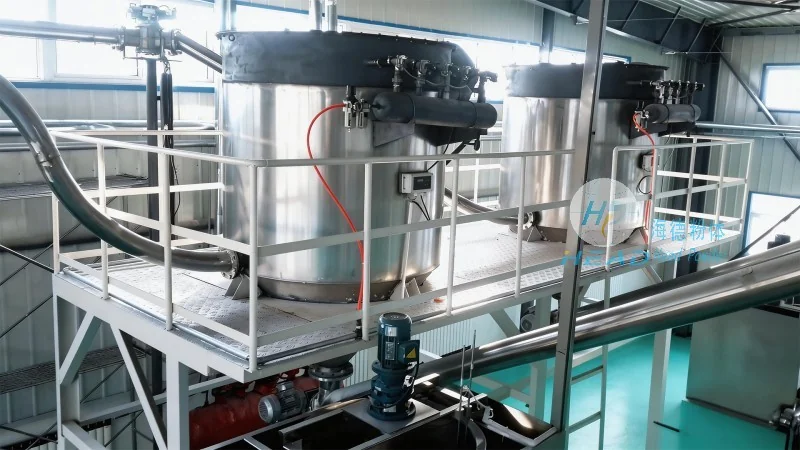
Ammonium nitrate material handling equipment is specifically engineered to handle the unique properties of ammonium nitrate, such as its granular or crystalline form, potential for dust generation, and sensitivity to impact or friction. These systems are designed to minimize the risk of accidents and ensure compliance with safety regulations. The equipment typically includes components like feeders, conveyors, storage silos, and transfer systems, all tailored to the material's characteristics.
Key Components of Ammonium Nitrate Handling Systems
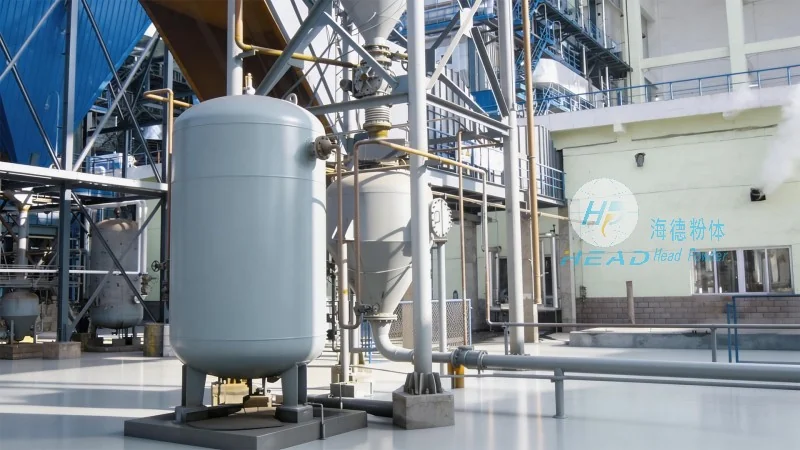
The core components of ammonium nitrate material handling equipment are carefully selected to address the material's handling challenges. For instance, feeders are often equipped with anti-static features and wear-resistant materials to prevent material buildup and ensure smooth flow. Conveyors may use enclosed or sealed designs to contain dust and prevent exposure to the environment. Storage silos are constructed with reinforced structures and internal lining to withstand the material's impact and chemical properties.
Design Principles for Safe and Efficient Operation
The design of ammonium nitrate material handling equipment adheres to several critical principles to ensure safety and operational reliability. One of the primary principles is the minimization of friction and impact points, as ammonium nitrate is prone to decomposition under such conditions. The equipment is designed with smooth surfaces and rounded corners to reduce the risk of material accumulation and potential hazards. Additionally, the systems incorporate explosion-proof and fire-resistant features, including pressure relief valves and fire suppression systems, to mitigate risks in case of accidental ignition.
Material Flow and Process Integration
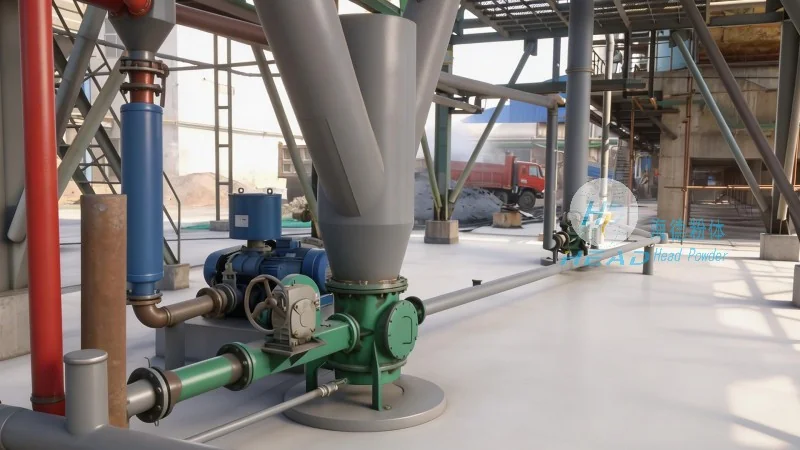
Effective ammonium nitrate material handling systems are integrated into broader industrial processes, ensuring seamless material flow from storage to processing or distribution. The design considers factors such as material density, flow characteristics, and the need for precise control over the handling process. Automation and control systems are often incorporated to monitor and regulate the flow, ensuring consistent performance and reducing the risk of human error. The integration of these systems with other industrial equipment, such as reactors or packaging lines, is crucial for maintaining efficiency and safety throughout the entire operation.
Regulatory Compliance and Safety Standards
Ammonium nitrate material handling equipment must comply with stringent safety and regulatory standards, particularly given the material's hazardous nature. Manufacturers adhere to guidelines from organizations like the Occupational Safety and Health Administration (OSHA) and the American Society of Mechanical Engineers (ASME). These standards cover aspects such as equipment construction, operational procedures, and emergency response plans. Regular maintenance and inspections are also required to ensure that the equipment remains in safe working condition and meets all regulatory requirements.
Customization and Application-Specific Solutions
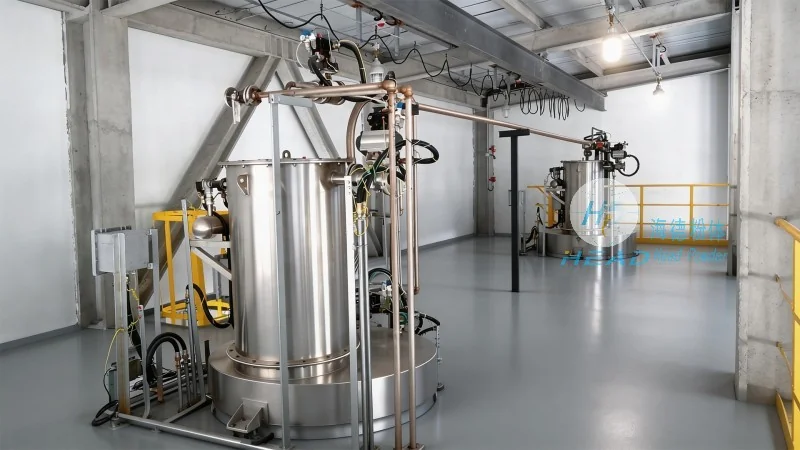
Given the diverse applications of ammonium nitrate, material handling equipment is often customized to meet specific operational needs. Manufacturers like Shandong HeadPowder Engineering Co., Ltd. offer tailored solutions that consider factors such as the scale of operation, the type of processing, and the environmental conditions. These custom designs may include specialized feeders, conveyor systems, and storage solutions that are optimized for the unique requirements of each application. The ability to provide customized equipment ensures that clients can achieve optimal performance and safety in their specific industrial settings.
Conclusion
In conclusion, ammonium nitrate material handling equipment is a critical component in industries that rely on this chemical compound. The design principles and components of these systems are carefully engineered to address the material's unique properties and ensure safe, efficient operation. By adhering to safety standards and integrating advanced control systems, these equipment solutions help minimize risks and enhance productivity. Companies like Shandong HeadPowder Engineering Co., Ltd. play a vital role in providing specialized equipment and solutions that meet the diverse needs of industries handling ammonium nitrate.