

What Are Potassium Sulfate Material Handling Equipment? And What Are Their Design Principles?
When it comes to efficiently transporting potassium sulfate, specialized equipment plays a crucial role in ensuring smooth operations within industrial processes. Understanding the types of equipment used and their underlying design principles is essential for optimizing material handling in various applications.
Introducing Potassium Sulfate Material Handling Equipment
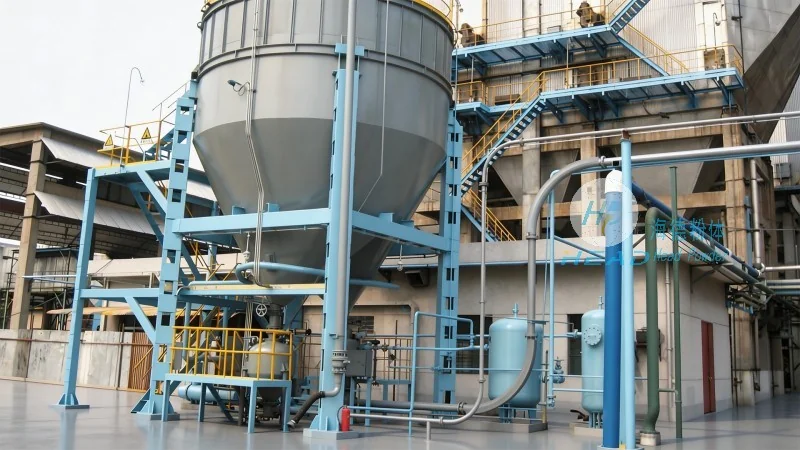
Potassium sulfate, a key fertilizer and industrial chemical, requires reliable equipment to move it from storage to processing or packaging areas. The equipment used for this purpose is designed to handle the specific properties of potassium sulfate, such as its granular or crystalline form, and to maintain product integrity throughout the handling process.
Key Components and Functions of the Equipment
The core components of potassium sulfate material handling equipment typically include feeders, conveyors, and storage systems. Feeders are used to regulate the flow of material from storage bins or hoppers, ensuring a consistent and controlled discharge rate. Conveyors, which can be belt, screw, or pneumatic types, transport the material over longer distances or to different processing stages. Storage systems, often in the form of silos or bulk containers, provide a secure and organized space for storing potassium sulfate before it is transported.

Design Principles for Efficient Material Handling
The design of potassium sulfate material handling equipment is guided by several key principles to maximize efficiency and safety. One of the primary principles is minimizing material degradation, which can occur due to friction, impact, or exposure to air. Equipment designers incorporate features like smooth surfaces, gentle material movement, and proper sealing to prevent clumping or caking of the product. Another critical principle is ensuring the equipment can handle the specific physical properties of potassium sulfate, such as its bulk density and flow characteristics. This involves selecting appropriate conveyor speeds, feeder types, and storage container designs that match the material's behavior.
HeadPowder's Expertise in Potassium Sulfate Handling Solutions
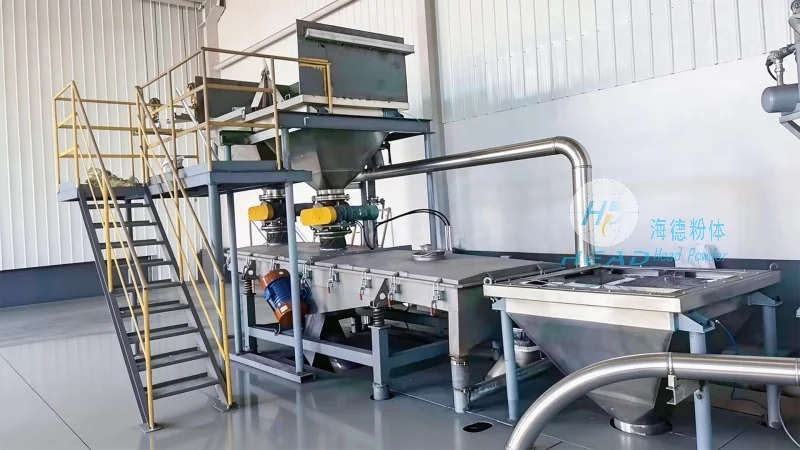
Shandong HeadPowder Engineering Co., Ltd., a leading provider of material handling solutions, specializes in designing and manufacturing equipment tailored to the unique needs of potassium sulfate applications. With years of experience in the industry, HeadPowder understands the importance of reliable and efficient material handling in fertilizer production and other industrial sectors. The company's engineers work closely with clients to develop customized solutions that address specific operational challenges, such as space constraints, material flow issues, or safety requirements.

Ensuring Quality and Compliance in Equipment Design
HeadPowder adheres to strict quality standards and industry regulations when designing potassium sulfate material handling equipment. This includes compliance with safety guidelines for handling chemicals and ensuring the equipment meets environmental and operational requirements. The company's commitment to quality is reflected in the durability and longevity of its products, which are built to withstand the demands of continuous industrial use. Additionally, HeadPowder provides comprehensive support, including installation, maintenance, and technical assistance, to ensure clients can maximize the performance and lifespan of their equipment.
Conclusion: The Importance of Specialized Equipment for Potassium Sulfate
In conclusion, the design and implementation of specialized material handling equipment are vital for the efficient and safe processing of potassium sulfate. By understanding the key components, design principles, and the expertise of companies like Shandong HeadPowder Engineering Co., Ltd., industries can optimize their operations and ensure the reliable transport of this essential chemical. The right equipment not only improves productivity but also enhances safety and product quality, making it an indispensable part of modern industrial processes.