

What is a Magnesium Oxide Material Handling Conveyor? And What Are Its Design Principles?
Magnesium oxide, a critical industrial material, often requires specialized handling systems to ensure efficient and safe transport. A material handling conveyor specifically designed for magnesium oxide is a vital piece of equipment in many industrial processes. This article explores the concept of a magnesium oxide material handling conveyor and delves into its fundamental design principles, highlighting how these systems enhance operational efficiency and safety in material transport.
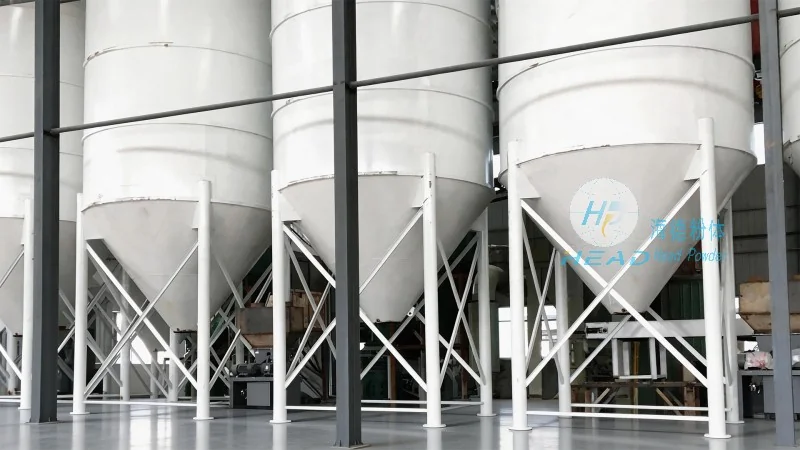
Understanding the Role of a Magnesium Oxide Material Handling Conveyor
At the core of many industrial applications, magnesium oxide (MgO) is used in various sectors such as construction, pharmaceuticals, and chemical manufacturing. The properties of MgO, including its reactivity and potential dust generation, necessitate specialized equipment for its movement. A dedicated conveyor system for magnesium oxide ensures that the material is handled in a manner that minimizes contamination, reduces the risk of dust exposure, and maintains product integrity throughout the transport process. The design of such a conveyor is tailored to address the unique challenges posed by MgO, making it an essential component in modern industrial operations.
Key Design Principles for Magnesium Oxide Material Handling Conveyors
The design of a magnesium oxide material handling conveyor is guided by several critical principles that ensure optimal performance and safety. First, the system must be constructed from materials that are compatible with MgO and resistant to chemical reactions. Common materials include stainless steel, which is non-reactive and easy to clean, reducing the risk of contamination. Second, the conveyor must incorporate features that minimize dust generation and exposure. This includes enclosed designs, proper sealing mechanisms, and effective dust collection systems. Third, the system should be designed for easy maintenance and cleaning, as MgO can adhere to surfaces and require regular sanitation to prevent buildup and contamination. Additionally, the conveyor's speed and load capacity are optimized to match the production requirements, ensuring that the material is transported efficiently without causing bottlenecks or safety hazards.
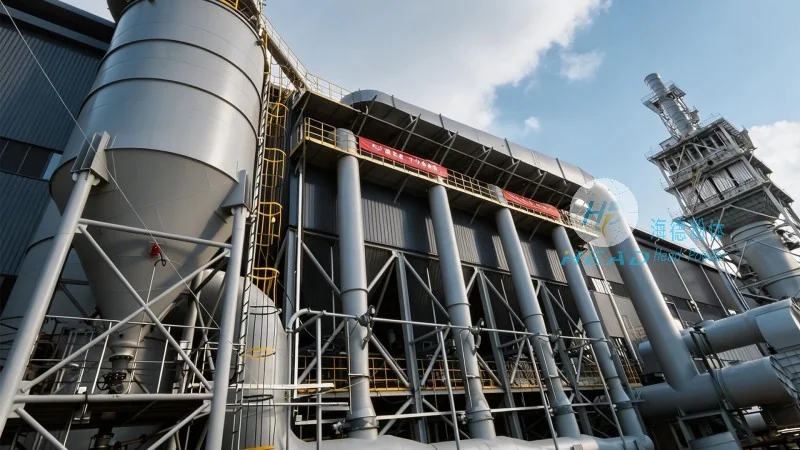
Components and Features of a Typical Magnesium Oxide Conveyor System
A magnesium oxide material handling conveyor typically consists of several key components that work together to facilitate smooth material transport. The primary components include a conveyor belt or chain, which is designed to handle the weight and characteristics of MgO. The belt or chain is often made from materials like rubber or specialized polymers that provide durability and resistance to abrasion. The conveyor may also feature a hopper or feeding mechanism to introduce the material into the system, ensuring a consistent flow. For vertical or inclined transport, the system may include idlers or rollers that support the material and prevent it from slipping. Additionally, the conveyor is equipped with sensors and controls that monitor the system's operation, providing real-time feedback on speed, load, and any potential issues. These features collectively ensure that the conveyor operates reliably and safely, meeting the demands of industrial applications.
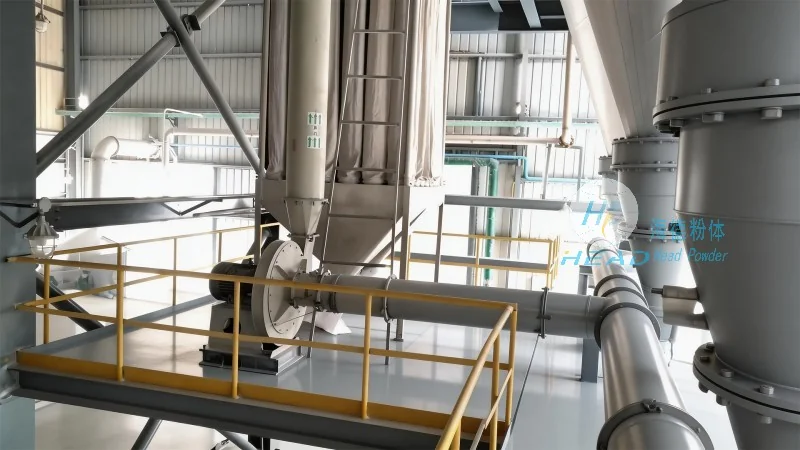
Benefits of Using a Dedicated Magnesium Oxide Material Handling Conveyor
Implementing a specialized conveyor system for magnesium oxide offers numerous benefits that enhance overall operational efficiency and safety. One of the primary advantages is improved material integrity, as the system minimizes contamination and dust exposure, preserving the quality of the MgO. This is particularly important in industries where the purity of MgO is critical, such as pharmaceuticals or high-purity chemical manufacturing. Another key benefit is enhanced safety, as the enclosed design and dust control features reduce the risk of inhalation or skin exposure to the material, protecting workers and maintaining a safe working environment. Additionally, the optimized design of the conveyor reduces downtime and maintenance costs, as it is built to withstand the challenges of handling MgO and requires less frequent cleaning or repairs. Finally, the system's efficiency in transporting the material reduces labor costs and increases production throughput, making it a valuable investment for industrial operations.
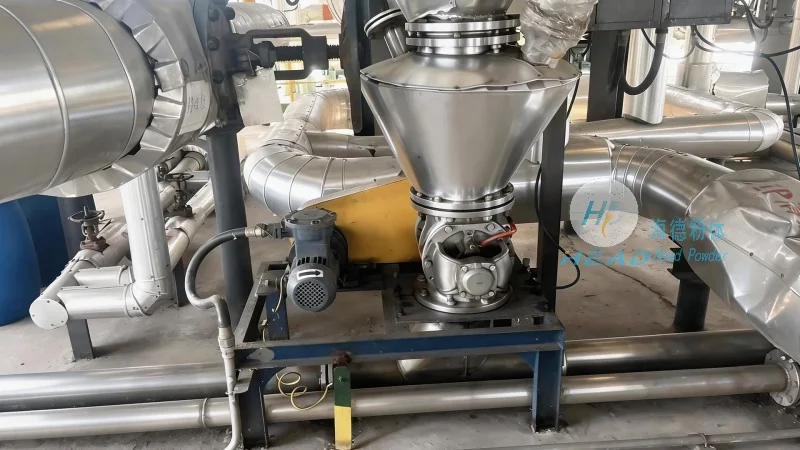
Application Examples and Industry Use Cases
The application of magnesium oxide material handling conveyors spans various industries, each with specific requirements for material transport. In the construction industry, MgO is used as a component in cement and concrete, and the conveyor system ensures that the material is delivered to mixing sites efficiently. In pharmaceutical manufacturing, the conveyor is used to transport MgO in a controlled environment, minimizing contamination and ensuring product purity. Similarly, in chemical manufacturing, the system is employed to move MgO between processing stages, maintaining the material's quality and safety. Each application benefits from the specialized design of the conveyor, which addresses the unique challenges of handling MgO and ensures that the material is transported in a manner that meets industry standards and regulations.
Conclusion: The Importance of Specialized Material Handling for Magnesium Oxide
In conclusion, a magnesium oxide material handling conveyor is a critical piece of equipment that plays a vital role in industrial processes involving this essential material. The design principles and components of such a system are tailored to address the unique properties of MgO, ensuring efficient, safe, and reliable transport. By implementing a dedicated conveyor system, industrial operations can enhance product quality, improve safety, and increase overall efficiency. As the demand for magnesium oxide continues to grow, the importance of specialized material handling equipment becomes increasingly evident, making it a valuable investment for companies operating in industries that rely on this material.