

What is a Hydrogen Sulfide Material Handling Conveyor? What are its Design Principles?
Understanding the design principles of hydrogen sulfide material handling conveyors is crucial for industries dealing with hazardous materials. These specialized systems are engineered to safely transport materials that may contain or be exposed to hydrogen sulfide (H₂S), a toxic and flammable gas. The design of such conveyors must adhere to stringent safety standards and incorporate robust engineering solutions to mitigate risks associated with H₂S exposure.
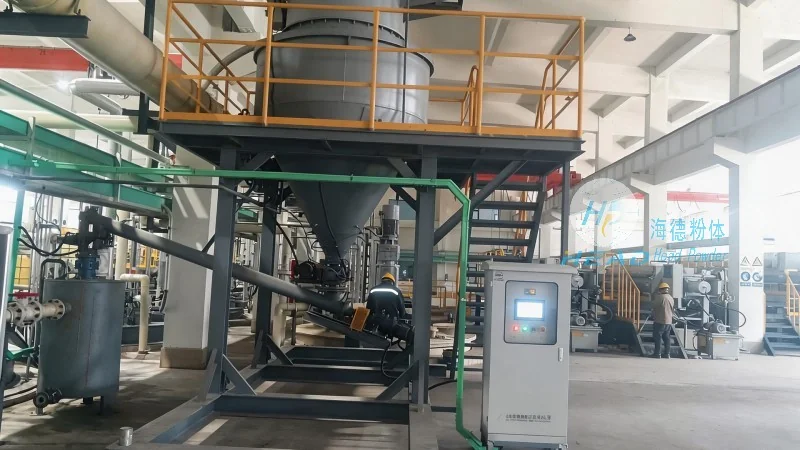
Key Components and Safety Measures in Hydrogen Sulfide Material Handling Conveyors
HeadPowder, a leading manufacturer based in Shandong, China, specializes in developing customized solutions for hazardous material handling. The design of their hydrogen sulfide material handling conveyors focuses on several critical components to ensure operational safety and efficiency. One of the primary considerations is the selection of materials that are resistant to H₂S corrosion and chemical attack. For instance, stainless steel or specialized alloys are often used for the conveyor structure and components that come into direct contact with the material or the gas. This choice minimizes the risk of material degradation and potential gas leakage.
Another essential aspect is the integration of robust sealing systems. The conveyor must prevent the escape of H₂S gas into the surrounding environment, which could lead to hazardous conditions. Sealing mechanisms, such as double-flanged joints, gaskets, and specialized seals, are employed to create an airtight enclosure. Additionally, the system may include gas detection sensors and alarms to monitor H₂S levels in real-time. If concentrations exceed safe limits, the conveyor can be automatically shut down, preventing exposure to workers and the environment.
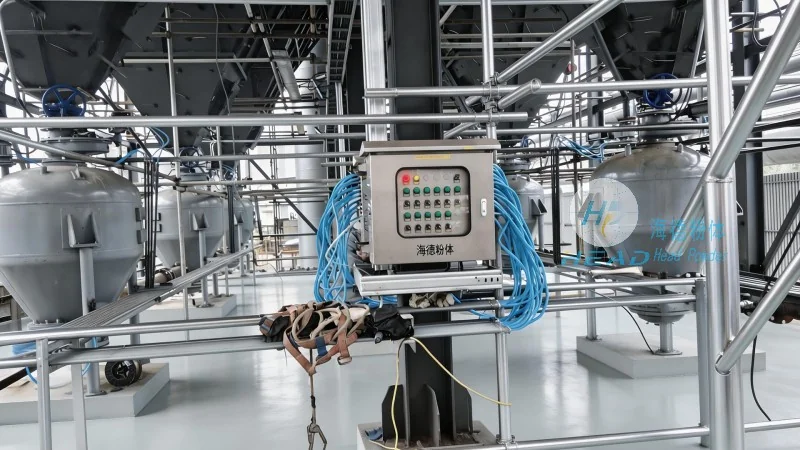
System Design and Operational Efficiency
The design of hydrogen sulfide material handling conveyors also emphasizes operational efficiency while maintaining safety. The conveyor system typically includes a combination of components such as feeders, conveyors (e.g., belt conveyors, screw conveyors), and discharge mechanisms. The choice of conveyor type depends on the characteristics of the material being handled—whether it is granular, powdery, or in bulk form. For example, a belt conveyor might be used for transporting loose materials, while a screw conveyor could be more suitable for handling fine powders. The system is designed to minimize material spillage and ensure smooth flow, reducing the risk of blockages and potential gas release.
Energy efficiency is another factor considered in the design. HeadPowder’s engineers optimize the conveyor’s motor and drive systems to reduce energy consumption without compromising performance. This not only lowers operational costs but also aligns with environmental sustainability goals. The system may also incorporate variable speed drives, allowing for adjustments based on the material load and processing requirements. This flexibility ensures that the conveyor operates at optimal efficiency under varying conditions.
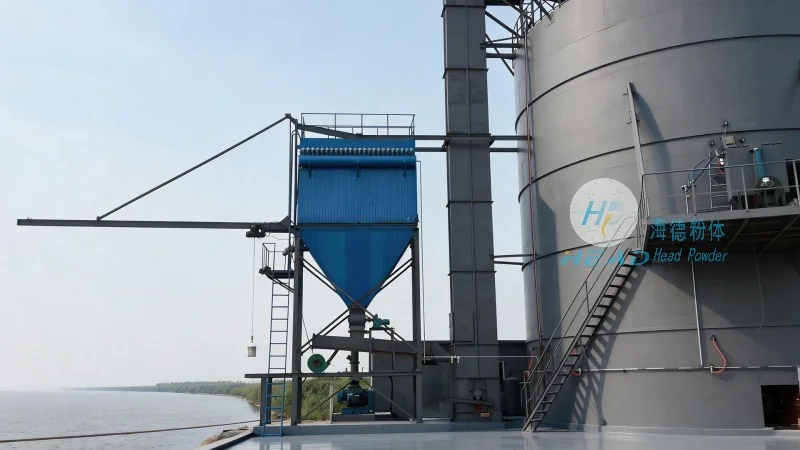
Regulatory Compliance and Industry Standards
Designing hydrogen sulfide material handling conveyors requires strict adherence to regulatory standards and industry best practices. In China, for example, the system must comply with national safety codes and environmental regulations. HeadPowder ensures that their products meet or exceed these standards through rigorous testing and certification processes. This includes compliance with standards related to gas handling, equipment safety, and environmental protection. The company also stays updated with international standards, such as those from the American Petroleum Institute (API) or the European Union (EU), to provide solutions that meet global requirements.
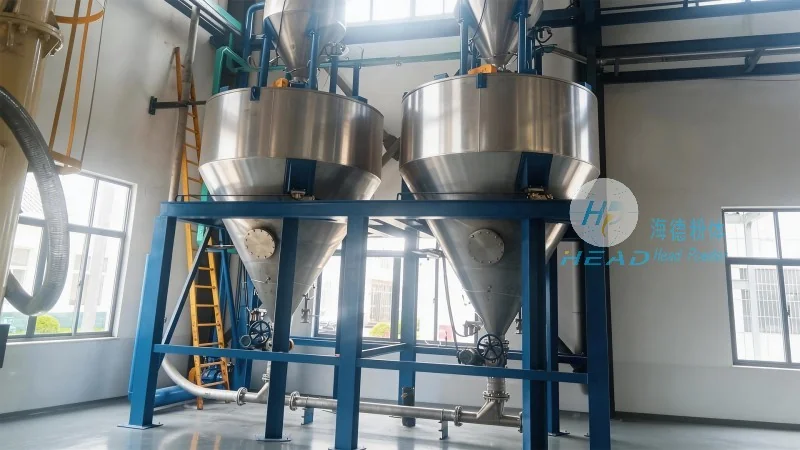
Regular maintenance and inspection are integral to the system’s design. The conveyor is equipped with features that facilitate easy access for maintenance personnel, such as removable panels and accessible components. This allows for routine checks and repairs without disrupting operations. Additionally, the system may include monitoring systems to track performance metrics, such as temperature, pressure, and gas levels. Data from these systems can be used to identify potential issues early, preventing breakdowns and ensuring continuous operation.
Conclusion
Hydrogen sulfide material handling conveyors are complex systems that require careful engineering to balance safety, efficiency, and compliance. Companies like HeadPowder play a vital role in developing these solutions, leveraging advanced materials, robust design principles, and adherence to industry standards. By understanding the design principles and components of such conveyors, industries can effectively manage the risks associated with handling hazardous materials and ensure the safety of their operations and personnel.