

What is a Lithium-Ion Battery Material Conveying Line? And What Are Its Design Principles?
A lithium-ion battery material conveying line is a specialized industrial system designed to transport raw materials and intermediate products within the manufacturing process of lithium-ion batteries. These systems are crucial for ensuring efficient, safe, and consistent material handling from the initial stages of material preparation to the final assembly steps. The design of such lines integrates various components, including conveyor belts, feeding mechanisms, storage units, and control systems, all tailored to meet the specific requirements of battery production.
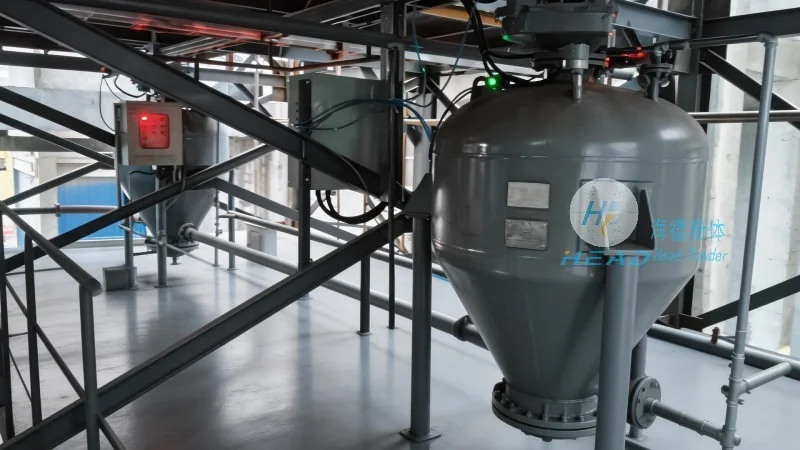
Key Components and Their Functions
The core components of a lithium-ion battery material conveying line typically include: conveyor systems (such as belt conveyors, screw conveyors, or chain conveyors) that move materials through the production line; feeding devices that control the flow and distribution of materials; storage hoppers or silos that temporarily hold raw materials like lithium cobalt oxide, lithium iron phosphate, or other active materials; and processing units that may include mixing, grinding, or screening equipment to prepare the materials for battery production. Additionally, the system often incorporates sensors and monitoring devices to track material levels, detect blockages, and ensure operational safety.
Design Principles for Efficient Material Handling
The design principles of a lithium-ion battery material conveying line focus on maximizing efficiency, minimizing downtime, and ensuring product quality. One key principle is modularity, allowing the system to be easily expanded or reconfigured to accommodate changes in production volume or material types. Another principle is integration with the overall battery manufacturing process, ensuring seamless material flow from raw material input to cell assembly. The design also emphasizes safety, incorporating features like emergency stop buttons, overload protection, and fire suppression systems to prevent accidents and protect both personnel and equipment.
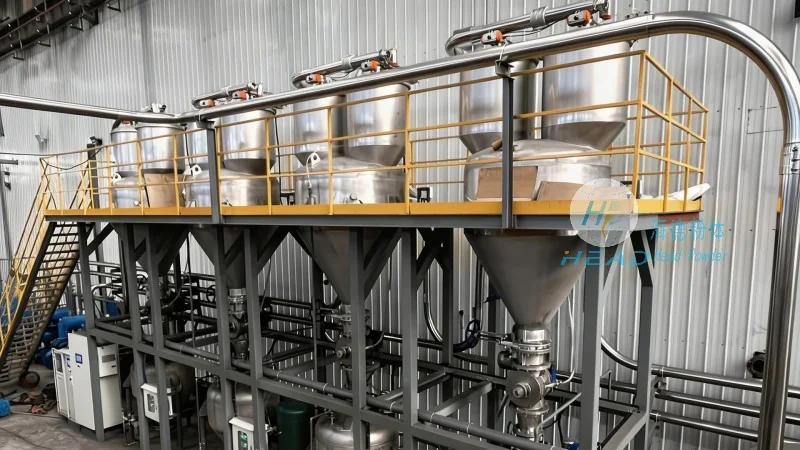
Material Handling Challenges and Solutions
Handling lithium-ion battery materials presents unique challenges due to the nature of the raw materials, which can be abrasive, dusty, or reactive. For example, materials like lithium cobalt oxide can generate dust that poses health risks and requires effective dust collection systems. The conveying line design addresses these challenges through the use of dust-proof enclosures, high-efficiency filters, and sealed conveyor systems to maintain a clean and safe working environment. Additionally, the system may include temperature control mechanisms to manage the thermal properties of certain materials, ensuring they remain within optimal processing conditions.

Customization and Scalability
HeadPowder Engineering, a leading manufacturer based in Shandong, China, specializes in designing and manufacturing customized lithium-ion battery material conveying lines tailored to the specific needs of their clients. The company's approach involves a thorough analysis of the client's production requirements, including material types, production capacity, and operational environment, to develop a solution that meets both current and future needs. The conveying lines are designed with scalability in mind, allowing for easy upgrades as production volumes increase or new materials are introduced. This flexibility ensures that clients can adapt to changing market demands without the need for a complete system overhaul.
Quality Assurance and Maintenance
Ensuring the reliability and longevity of a lithium-ion battery material conveying line is critical for maintaining consistent production output. HeadPowder Engineering employs rigorous quality control measures throughout the manufacturing process, including material testing, component inspection, and system testing to ensure compliance with industry standards. The company also provides comprehensive maintenance and support services, including regular inspections, spare parts availability, and technical assistance, to minimize downtime and maximize the system's operational efficiency. By focusing on quality and reliability, HeadPowder Engineering helps clients achieve consistent material handling performance and maintain high product quality in their battery manufacturing processes.