

What is a Cotton Fiber Powder Pneumatic Conveying Equipment? And What Are Its Design Principles?
For industries dealing with cotton fiber powders, efficient and reliable material handling is crucial. A cotton fiber powder pneumatic conveying equipment is a specialized system designed to transport these fine particles through a pipeline using air pressure. This technology offers a clean, low-maintenance solution compared to traditional mechanical conveying methods, making it ideal for applications where dust control and product purity are paramount.
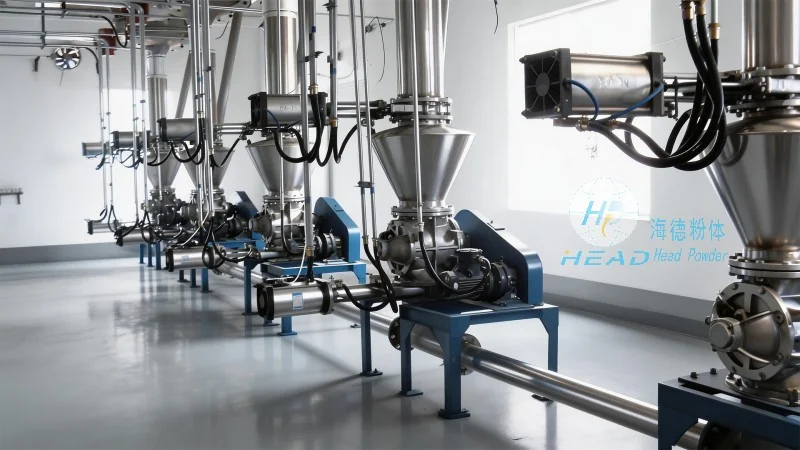
Overview of the Equipment
The cotton fiber powder pneumatic conveying equipment, often referred to as a pneumatic conveyor, is a system that uses compressed air to move dry, free-flowing materials like cotton fibers. The system typically consists of a hopper for material storage, a conveyor line (usually a flexible or rigid pipe), and a receiver for the discharged material. The entire setup is designed to minimize product degradation and ensure consistent flow rates, which is essential for maintaining the quality of cotton fiber powders used in various industries.
Design Principles and Working Mechanism
The core design principle of this equipment is to create a pressure differential between the inlet and outlet of the conveying line. By injecting high-pressure air into the hopper, the cotton fibers are entrained and carried through the pipeline to the receiver. The system operates on the principle of fluidization, where the air flow creates a suspension of the powder particles, allowing them to move smoothly without clogging or blockages. This design ensures that even fine or cohesive cotton fibers can be transported efficiently, maintaining their integrity throughout the process.
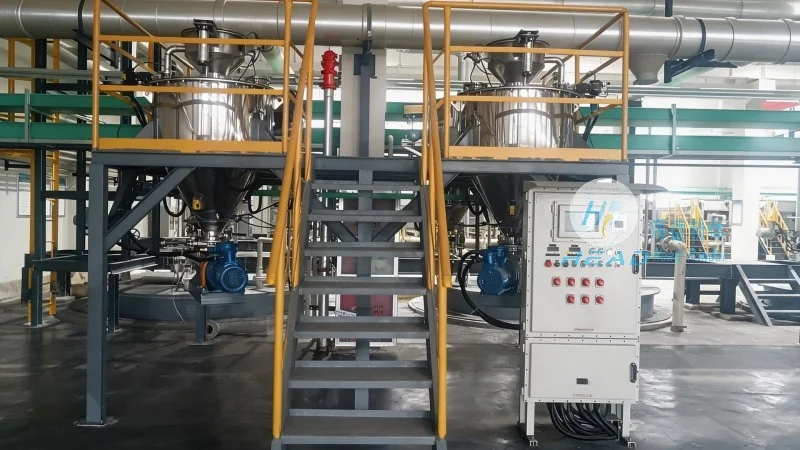
Key Components and Their Functions
Several critical components make up a cotton fiber powder pneumatic conveying system. The first is the material hopper, which stores the cotton fiber powder and provides a consistent feed to the system. The hopper is equipped with a feeder, such as a rotary valve or a screw feeder, to control the flow rate of the material into the conveying line. The conveying line itself is usually made of stainless steel or other corrosion-resistant materials to prevent contamination and ensure durability. The receiver, where the material is discharged, is designed to collect the powder and may include a dust collection system to maintain air quality. Additionally, the system includes a blower or compressor that generates the necessary air pressure to drive the conveying process.
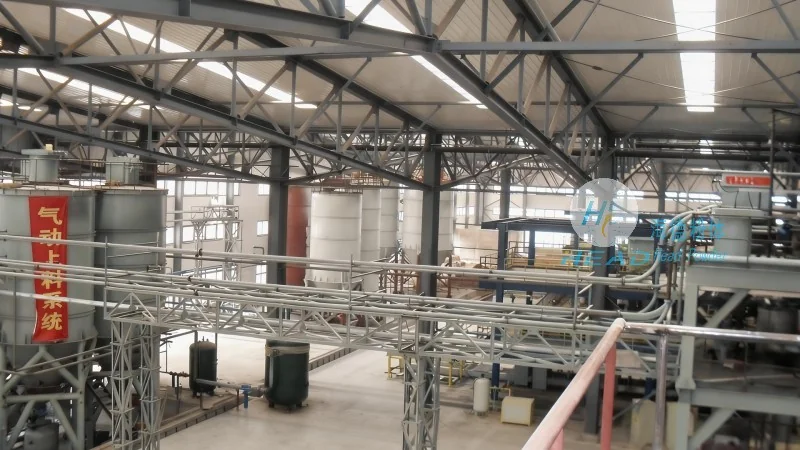
Application Scenarios and Benefits
Cotton fiber powder pneumatic conveying equipment is widely used in industries such as textile manufacturing, pharmaceuticals, and food processing. In textile production, it helps transport raw cotton fibers to spinning machines, ensuring a steady supply without the need for manual handling. In pharmaceutical applications, the system maintains the purity of cotton fiber powders used in drug formulations, preventing contamination from external sources. The benefits of using this equipment include reduced labor costs, improved product quality, and enhanced safety due to the enclosed system that minimizes dust exposure. Furthermore, the system is compact and can be integrated into existing production lines, making it a versatile solution for various industrial needs.
Company Information
HeadPowder, a leading manufacturer of pneumatic conveying systems, specializes in providing customized solutions for cotton fiber powder handling. With a focus on innovation and quality, the company has developed advanced equipment that meets the specific requirements of different industries. HeadPowder Engineering Co., Ltd., based in Shandong, China, leverages years of experience in material handling technology to deliver reliable and efficient cotton fiber powder pneumatic conveying equipment. The company’s products are designed to enhance productivity while maintaining the highest standards of safety and environmental compliance.