

What is Mobile Material Pneumatic Conveying? What Are Its Design Principles?
Mobile material pneumatic conveying systems represent a sophisticated solution for transporting bulk materials efficiently and reliably. These systems are designed to be mounted on vehicles, such as trucks or specialized transport units, enabling them to move materials from one location to another with minimal human intervention. The technology behind mobile pneumatic conveying leverages the principles of air flow to transport dry or granular materials, making it an ideal choice for industries that require flexible and mobile material handling solutions.
Understanding Mobile Material Pneumatic Conveying
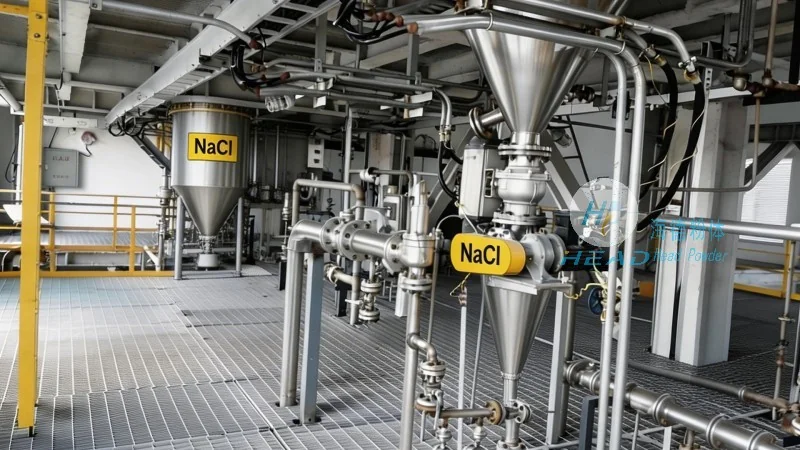
At its core, mobile material pneumatic conveying involves the use of compressed air or other gases to create a flow that propels bulk materials through a system of pipes. The system typically includes a hopper for material storage, a blower or compressor to generate the air pressure, and a series of ducts or pipelines that guide the material from the source to the destination. The mobile nature of these systems allows them to be deployed at various sites, making them highly adaptable for construction sites, mining operations, or industrial facilities where materials need to be moved over short to medium distances.
Key Design Principles of Mobile Pneumatic Conveying Systems
The design of a mobile material pneumatic conveying system is governed by several critical principles that ensure optimal performance and efficiency. First, the system must be capable of handling a wide range of materials, including powders, granules, and even bulk solids, without causing blockages or degradation. This is achieved through the selection of appropriate duct materials, such as stainless steel or high-density polyethylene, which resist corrosion and abrasion. Second, the system's air flow rate and pressure must be precisely controlled to maintain a consistent material flow rate. This is typically managed using variable frequency drives (VFDs) for the blower, which adjust the air volume based on the material load and system requirements.
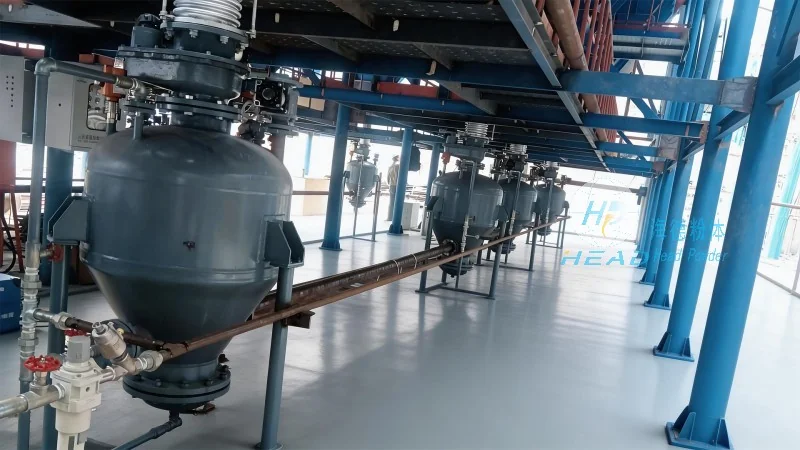
Third, the system must incorporate effective separation and filtration mechanisms to prevent material buildup and maintain air quality. This includes cyclone separators, which use centrifugal force to separate the material from the air stream, and filter bags or cartridges that capture fine particles. These components are crucial for ensuring the system operates smoothly and reduces maintenance downtime. Additionally, the system's layout must be optimized to minimize pressure losses and energy consumption. This involves designing the pipe network with appropriate diameters and angles, and using smooth, unobstructed pathways to reduce friction and air resistance.
Components and Functionality of Mobile Pneumatic Conveying Systems
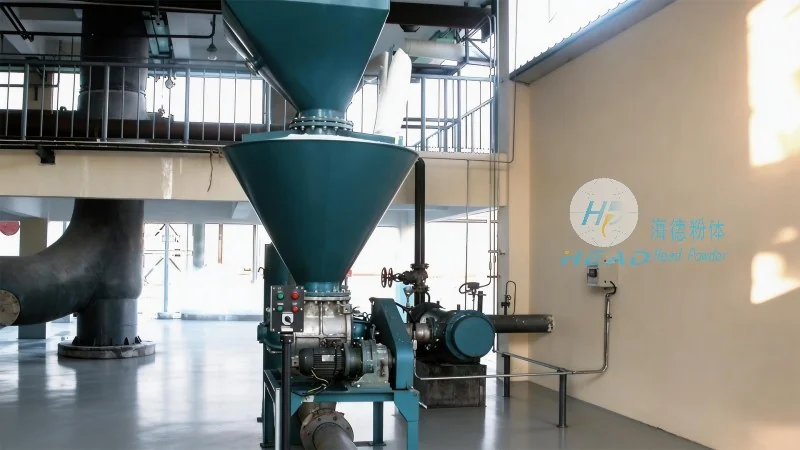
A typical mobile material pneumatic conveying system consists of several key components that work in concert to achieve efficient material transport. The primary components include a material hopper, which stores the bulk material and provides a consistent feed to the system. The hopper is equipped with a feeder, such as a rotary valve or a screw conveyor, which controls the material flow rate into the system. The feeder ensures that the material is introduced into the air stream at a controlled rate, preventing overloading and maintaining a stable flow. Systems like these are often engineered by companies such as Shandong HeadPowder Engineering Co., Ltd., which specializes in designing and manufacturing advanced material handling solutions.
The blower or compressor is the heart of the system, providing the necessary air pressure to move the material through the ducts. Modern mobile systems often use high-efficiency centrifugal blowers, which can operate at various pressure levels and flow rates, adapting to different material types and system configurations. The ductwork, which connects the hopper to the destination point, is designed to handle the air and material flow efficiently. It typically includes elbows, tees, and other fittings that are optimized for minimal pressure drop and smooth material transport.
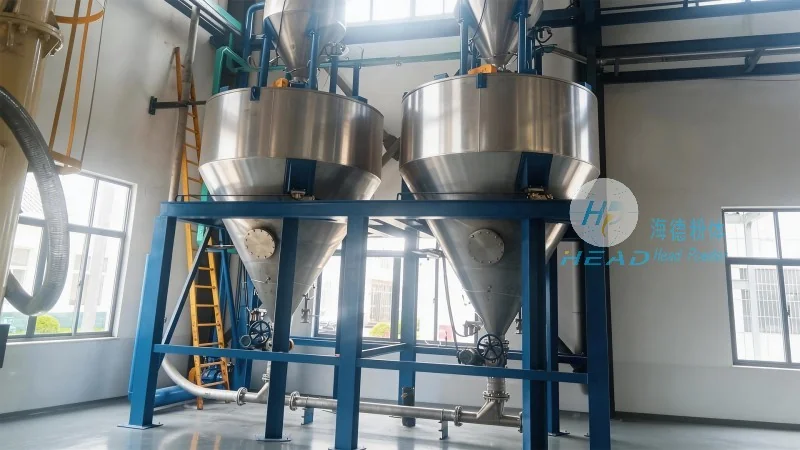
The system also includes a destination hopper or silo, which receives the material at the end of the conveying process. This component is designed to store the material temporarily or for further processing. The entire system is mounted on a vehicle chassis, allowing it to be transported to different sites as needed. The chassis may include additional features, such as a control panel, which allows operators to monitor and adjust the system's parameters in real-time.
Applications and Benefits of Mobile Pneumatic Conveying
Mobile material pneumatic conveying systems are widely used in various industries due to their flexibility and efficiency. In the construction industry, these systems are commonly used to transport sand, gravel, and cement from storage sites to job sites. The mobile nature of the system allows it to follow the progress of the construction project, reducing the need for fixed infrastructure and minimizing material handling costs. In mining operations, mobile pneumatic conveying is used to transport ore from mines to processing facilities, enabling efficient material transport over long distances without the need for heavy machinery or trucks.
Another key application is in the agricultural sector, where mobile systems are used to transport grain or other agricultural products from fields to storage facilities. The ability to move the system to different locations allows farmers to efficiently handle their crops, reducing labor costs and improving overall productivity. Additionally, mobile pneumatic conveying is used in the chemical and pharmaceutical industries to transport powders and granules, where the need for clean and hygienic handling is critical.
The benefits of mobile material pneumatic conveying systems extend beyond just efficiency. These systems offer significant advantages in terms of safety and environmental impact. By eliminating the need for manual handling of bulk materials, the systems reduce the risk of accidents and injuries, such as material spills or falls. The use of enclosed ducts also minimizes dust emissions, improving air quality and reducing the risk of respiratory issues for workers. Furthermore, the systems are designed to be energy-efficient, with modern blowers and control systems reducing energy consumption compared to traditional methods like truck transport.
Conclusion
Mobile material pneumatic conveying systems represent a cutting-edge solution for bulk material handling, combining the flexibility of mobile equipment with the efficiency of pneumatic transport. The design principles behind these systems, including material handling capabilities, air flow control, and separation mechanisms, ensure that they can operate reliably and efficiently in various industrial applications. As industries continue to seek more sustainable and efficient material handling solutions, mobile pneumatic conveying is likely to play an increasingly important role in meeting these needs. With the continued advancements in technology, these systems are expected to become even more efficient, versatile, and cost-effective, making them a valuable asset for any organization that relies on bulk material transport.