

What is a Desulfurization and Dust Removal Ash Material Pneumatic Conveying Line? And What Are Its D
Understanding the desulfurization and dust removal ash material pneumatic conveying line is crucial for optimizing industrial processes, especially in power plants and other facilities that generate large volumes of ash from flue gas treatment. This article delves into the definition of such a system and its underlying design principles, providing insights into how these lines efficiently handle and transport ash materials.
Introduction to Desulfurization and Dust Removal Ash Material Pneumatic Conveying Lines
A desulfurization and dust removal ash material pneumatic conveying line is a specialized system designed to transport ash generated from flue gas desulfurization (FGD) and dust removal processes. These systems are integral to the overall operation of power plants and industrial facilities, as they ensure the safe and efficient removal of ash from the treatment units to disposal or recycling sites. The primary goal of such a line is to minimize the environmental impact of ash disposal while maintaining operational efficiency and safety standards.
Key Components of a Pneumatic Conveying System for Ash Materials
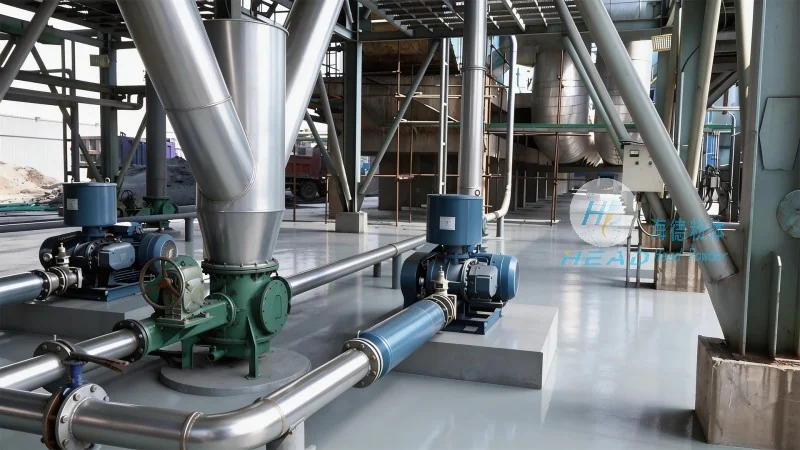
The pneumatic conveying line for desulfurization and dust removal ash typically consists of several key components that work in tandem to achieve efficient material transport. These components include:
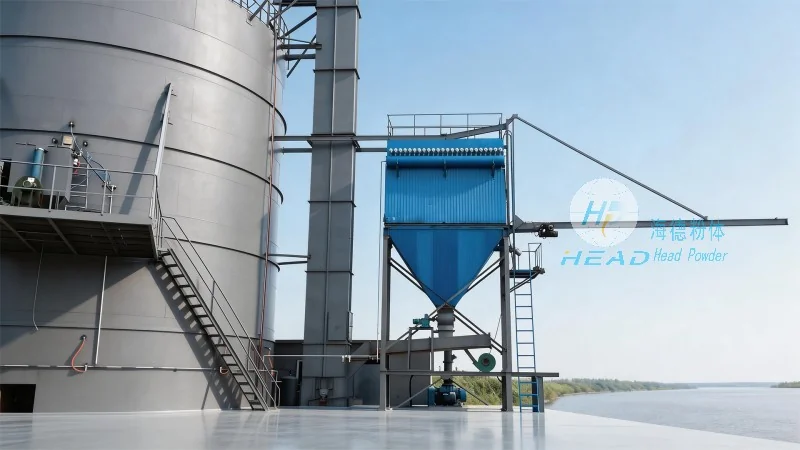
1. Source Hopper: The source hopper is the initial point where ash is collected from the desulfurization and dust removal equipment. It serves as a storage vessel that feeds the material into the conveying system. The design of the hopper is critical to prevent material bridging and ensure a consistent flow of ash into the system.
2. Feeder: The feeder is responsible for controlling the flow rate of ash from the hopper. It can be a rotary valve, a screw feeder, or a vibratory feeder, depending on the specific requirements of the system. The feeder ensures that the material is discharged at a uniform rate, preventing overloading or underloading of the conveying line.
3. Pneumatic Conveying Pipe: The conveying pipe is the main component that transports the ash through the system. It is typically made of stainless steel or other corrosion-resistant materials to withstand the acidic and abrasive nature of the ash. The pipe is designed with appropriate bends and elbows to guide the material to the destination, while minimizing pressure losses and ensuring smooth flow.
4. Blower or Fan: The blower or fan provides the necessary air pressure to move the ash particles through the conveying pipe. The selection of the blower is critical, as it must generate sufficient pressure to overcome the resistance of the pipe and the weight of the ash particles. The type of blower (e.g., rotary lobe, centrifugal) is chosen based on the specific characteristics of the ash, such as particle size, density, and moisture content.
5. Receiver or Discharge Hopper: The receiver is the final destination where the ash is deposited after being transported through the system. It may be a storage hopper, a disposal bin, or a recycling unit, depending on the facility's needs. The receiver is designed to handle the incoming ash and ensure it is properly contained and processed.
Design Principles for Efficient Ash Material Transport
The design of a desulfurization and dust removal ash material pneumatic conveying line is based on several key principles to ensure optimal performance, reliability, and safety. These principles include:
1. Material Characterization: Before designing the system, it is essential to characterize the ash material. This involves analyzing the particle size distribution, density, moisture content, and chemical composition of the ash. Understanding these properties helps in selecting the appropriate equipment and determining the required air velocity and pressure for efficient transport.
2. Air Velocity and Pressure: The air velocity within the conveying pipe is a critical factor in determining the efficiency of the system. The velocity must be high enough to keep the ash particles suspended in the air stream but not so high as to cause excessive wear on the pipe or equipment. The pressure generated by the blower must be sufficient to overcome the resistance of the pipe and the weight of the ash particles, ensuring that the material reaches the destination without clogging or loss of material.
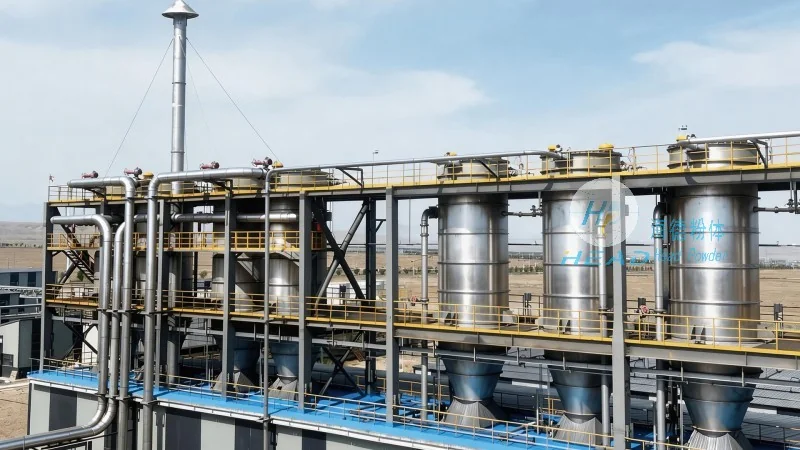
3. System Sizing and Layout: The sizing of the conveying line, including the diameter of the pipe and the length of the system, is determined based on the flow rate of the ash and the distance to be covered. The layout of the system, including the placement of components and the number of bends, is designed to minimize pressure losses and ensure smooth flow. Proper planning of the system layout is crucial to avoid bottlenecks and ensure efficient operation.
4. Material Handling and Wear Resistance: The ash material is often abrasive and corrosive, which can cause wear and damage to the conveying equipment over time. Therefore, the design of the system includes the use of wear-resistant materials, such as stainless steel, ceramic, or special coatings, for components that come into direct contact with the ash. This helps to extend the lifespan of the equipment and reduce maintenance costs.
5. Safety and Environmental Considerations: The design of the pneumatic conveying line must adhere to safety and environmental regulations. This includes proper ventilation to remove dust and fumes, the use of explosion-proof equipment in hazardous areas, and the implementation of dust control measures to prevent air pollution. The system is also designed to minimize the risk of material spillage and ensure that the ash is handled in an environmentally responsible manner.
Applications and Benefits of Desulfurization and Dust Removal Ash Material Pneumatic Conveying Lines
Desulfurization and dust removal ash material pneumatic conveying lines are widely used in various industrial applications, particularly in power generation, chemical processing, and waste management. The primary benefits of these systems include:

1. Efficient Material Transport: The pneumatic conveying line provides a continuous and efficient method of transporting ash, eliminating the need for manual handling and reducing the risk of accidents. The system can handle large volumes of ash at a high rate, improving the overall productivity of the facility.
2. Reduced Environmental Impact: By efficiently removing ash from the treatment units, the system helps to minimize the environmental impact of ash disposal. The ash can be disposed of in landfills or recycled for use in construction materials, reducing the need for new raw materials and minimizing waste.
3. Improved Safety: The pneumatic conveying line reduces the risk of dust exposure and other health hazards associated with handling ash manually. The system is enclosed and controlled, ensuring that the ash is handled in a safe and controlled environment.
4. Cost-Effective Operation: Although the initial investment in a pneumatic conveying system may be higher than traditional methods, the long-term operational costs are lower due to reduced maintenance and labor costs. The system is also energy-efficient, as it uses less energy compared to other transport methods.
Conclusion
A desulfurization and dust removal ash material pneumatic conveying line is a critical component of modern industrial facilities, providing an efficient and safe method of transporting ash generated from flue gas treatment. The design of such a system is based on careful consideration of material characteristics, air velocity, system layout, and safety requirements. By adhering to these design principles, facilities can ensure optimal performance, minimize environmental impact, and improve overall operational efficiency. Companies like Shandong HeadPowder Engineering Co., Ltd. specialize in designing and manufacturing these systems, providing tailored solutions to meet the specific needs of their clients.