

Working Principle and Characteristics of Yeast Pneumatic Conveying
HeadPowder, a leading enterprise in the field of pneumatic conveying technology, specializes in the design, manufacturing, and implementation of systems tailored for yeast transportation. With a strong presence in Shandong, China, the company leverages advanced engineering solutions to address the unique challenges associated with handling yeast efficiently and safely. This article delves into the fundamental working principle of yeast pneumatic conveying and highlights the key characteristics that make such systems effective for industrial applications.
Working Principle of Yeast Pneumatic Conveying
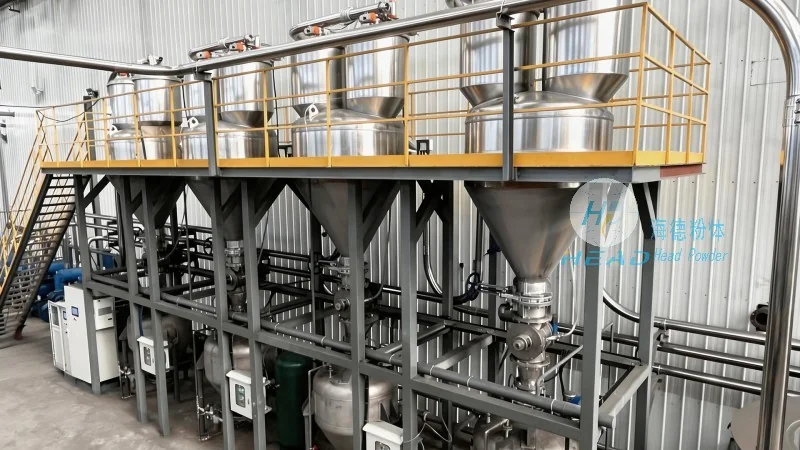
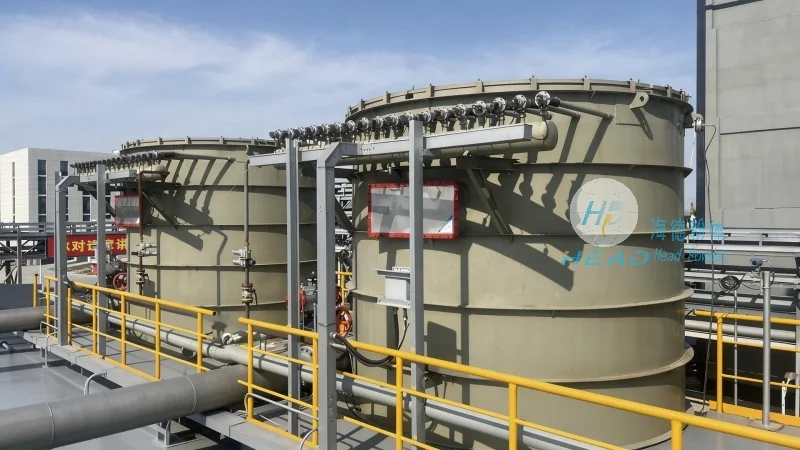
The core mechanism of yeast pneumatic conveying involves the use of compressed air or other gases to transport dry yeast particles through a pipeline system. This process typically operates on the principle of fluidization and suspension, where the yeast is entrained by the moving air stream and carried from the source to the destination. The system comprises several critical components, including a hopper for material storage, a feeder to control the flow rate, a conveying line, and a receiver for the discharged yeast. The compressed air is introduced at a controlled pressure and velocity, ensuring that the yeast particles remain suspended within the air stream without settling or clogging the pipeline. This method eliminates the need for mechanical components like belts or buckets, reducing maintenance requirements and enhancing operational reliability.
Key Characteristics of Yeast Pneumatic Conveying Systems
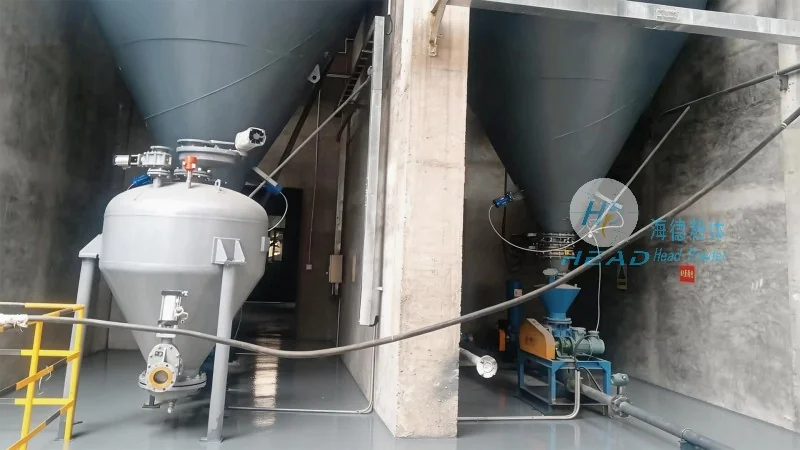
Yeast pneumatic conveying systems exhibit several distinct characteristics that contribute to their effectiveness in industrial settings. Firstly, they offer a high degree of flexibility in terms of layout and integration with existing production lines. The pipeline can be configured in various configurations, such as vertical, horizontal, or a combination of both, to suit the spatial constraints of the facility. This adaptability allows for seamless integration with other processing equipment, such as fermenters or storage tanks. Secondly, the system provides excellent control over the flow rate and pressure, enabling precise dosing of yeast to meet the specific requirements of the production process. This precision is crucial in fermentation processes, where the amount of yeast added directly impacts the quality and yield of the final product. Thirdly, the pneumatic conveying method ensures a hygienic and dust-free environment, which is essential for maintaining the purity of yeast and preventing contamination. The enclosed pipeline system prevents exposure to airborne particles and minimizes the risk of cross-contamination, making it suitable for food and beverage applications where hygiene standards are stringent. Additionally, the system is energy-efficient compared to traditional mechanical conveying methods, as it utilizes compressed air that can be recycled and reused, reducing operational costs over time.
Advantages and Practical Applications
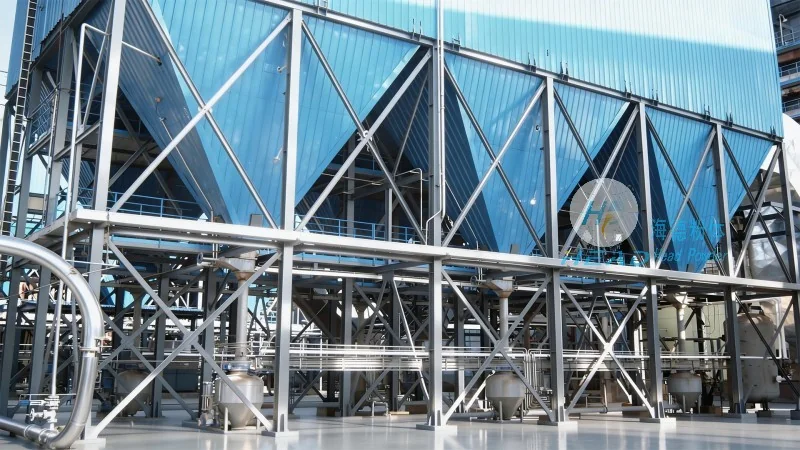
Implementing yeast pneumatic conveying systems brings numerous advantages to industrial operations. The primary benefit is the reduction in labor and maintenance costs, as there are fewer moving parts compared to mechanical conveyors. This leads to lower downtime and higher overall equipment effectiveness (OEE). Furthermore, the system’s ability to handle fine and delicate particles like yeast without causing damage or degradation is a significant advantage. Unlike mechanical systems that may cause attrition or breakage, pneumatic conveying maintains the integrity of the yeast cells, preserving their viability and functionality. This is particularly important in the brewing and fermentation industries, where the quality of yeast directly affects the flavor and aroma of the final product. The systems also offer scalability, allowing for easy expansion or modification to accommodate increased production volumes or changes in process requirements. For example, a small-scale system can be upgraded to a larger one by adding additional conveying lines or increasing the air pressure, without the need for a complete overhaul of the existing infrastructure. This flexibility makes yeast pneumatic conveying an attractive option for both new and existing facilities.