

Working Principle and Characteristics of Fertilizer Pneumatic Conveying
HeadPowder, a leading provider in the field of material handling solutions, specializes in the design, manufacturing, and implementation of advanced pneumatic conveying systems for the fertilizer industry. This article delves into the fundamental working principle and key characteristics of fertilizer pneumatic conveying, offering insights into how these systems efficiently transport bulk materials.
Understanding Fertilizer Pneumatic Conveying: Core Working Principle
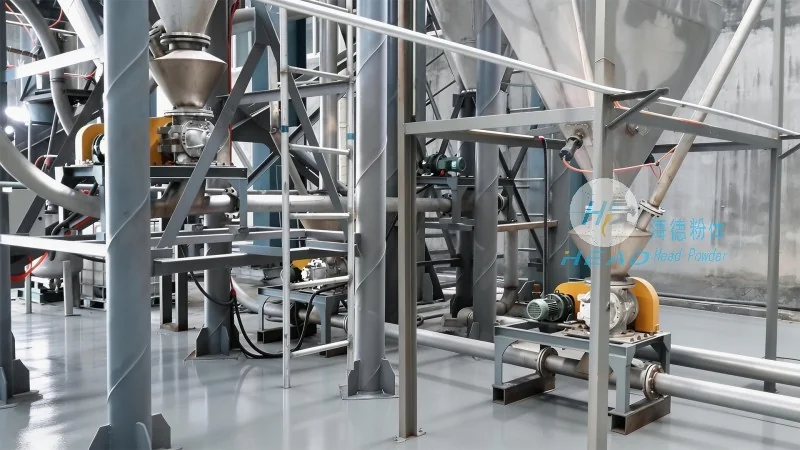
Fertilizer pneumatic conveying systems operate on the principle of transporting bulk materials through a pipeline using a combination of air or gas flow. The process typically involves several key components: a feeding device, a conveying line, a control system, and a discharge mechanism. The system works by creating a pressure differential within the pipeline, either by using a positive pressure (air blown into the system) or negative pressure (vacuum suction). In positive pressure systems, compressed air is introduced at the material inlet, while negative pressure systems draw air out of the pipeline to create suction. The fertilizer is then introduced into the pipeline, where it is carried by the moving air stream to the discharge point. This method allows for the continuous, enclosed transport of bulk fertilizers, minimizing dust generation and ensuring a clean, efficient process.
Key Characteristics of Fertilizer Pneumatic Conveying Systems
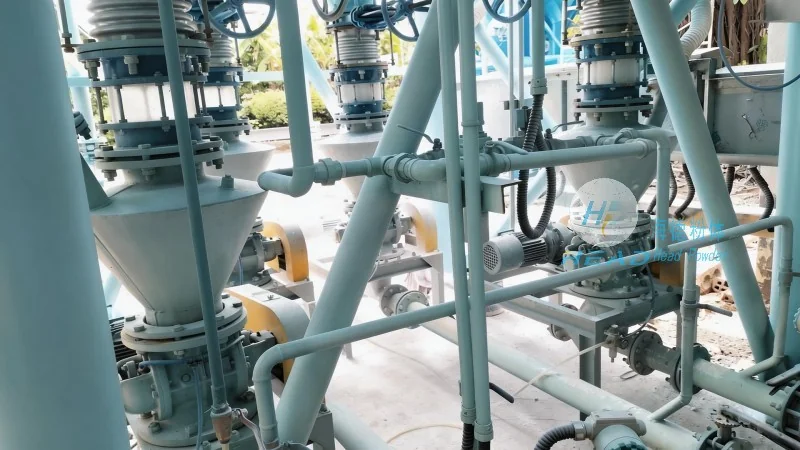
Several distinct characteristics define the effectiveness and suitability of fertilizer pneumatic conveying systems. Firstly, these systems offer high efficiency in material transport, capable of moving large volumes of bulk fertilizers over considerable distances with minimal energy consumption compared to traditional methods like belt conveyors or trucks. The enclosed pipeline design significantly reduces dust emissions, which is crucial for maintaining a safe and clean working environment in fertilizer processing facilities. Additionally, pneumatic conveying systems provide flexibility in layout, as the pipeline can be installed in various configurations to suit the specific spatial constraints of a facility. This adaptability is particularly valuable in modern fertilizer plants where space optimization is essential. Another notable characteristic is the ability to handle a wide range of fertilizer types, including granular, powdered, and even some liquid-based formulations, without causing material degradation or clogging. The system's design allows for gentle material handling, preserving the quality and integrity of the fertilizer during transport. Furthermore, the control systems integrated into modern pneumatic conveying equipment enable precise regulation of flow rates, pressure, and air volume, ensuring consistent and reliable operation. This level of control is vital for maintaining product quality and preventing system failures.
Applications and Benefits in the Fertilizer Industry
The advantages of fertilizer pneumatic conveying are evident in various applications across the fertilizer production and distribution chain. In manufacturing facilities, these systems are used to transport raw materials such as urea, ammonium nitrate, and phosphate rock from storage silos to processing units. They also facilitate the movement of finished products from production lines to packaging and storage areas. The enclosed nature of the system prevents contamination and loss of product, which is critical for maintaining the purity and quality of fertilizers. In storage and distribution centers, pneumatic conveying systems efficiently transfer bulk fertilizers between silos, trucks, and ships, streamlining logistics operations. The benefits extend to environmental and operational aspects as well. By reducing dust and emissions, these systems contribute to a cleaner industrial environment, aligning with modern environmental regulations. The energy efficiency of pneumatic conveying, especially when using optimized air flow and system designs, helps lower operational costs and reduce the carbon footprint of fertilizer production facilities.
Conclusion and Company Overview
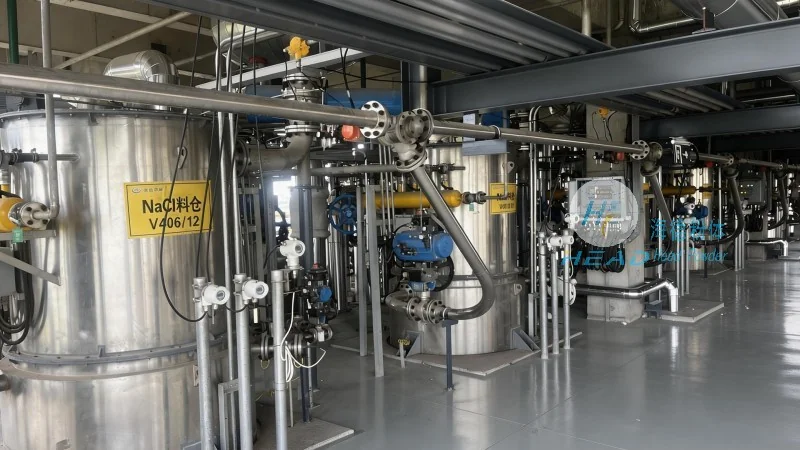
HeadPowder Engineering Co., Ltd., based in Shandong, China, is at the forefront of developing and implementing advanced pneumatic conveying solutions tailored to the fertilizer industry's needs. By leveraging the core principles of pneumatic transport and integrating innovative design features, HeadPowder provides systems that enhance efficiency, safety, and sustainability in fertilizer handling. The company's expertise in material handling technology ensures that clients receive customized solutions that meet their specific operational requirements, from small-scale processing plants to large industrial facilities. With a focus on quality, reliability, and customer satisfaction, HeadPowder continues to be a trusted partner in the fertilizer industry, driving advancements in material transport technology.