

Working Principle and Characteristics of Pneumatic Conveying for Dry Mix Mortar
For professionals in the construction materials industry, understanding the technology behind dry mix mortar pneumatic conveying is crucial for optimizing material handling processes and enhancing operational efficiency. This article provides an in-depth look at the working principle and key characteristics of pneumatic conveying systems designed for dry mix mortar, presented by Shandong HeadPowder Engineering Co., Ltd., a leading manufacturer based in Shandong, China.
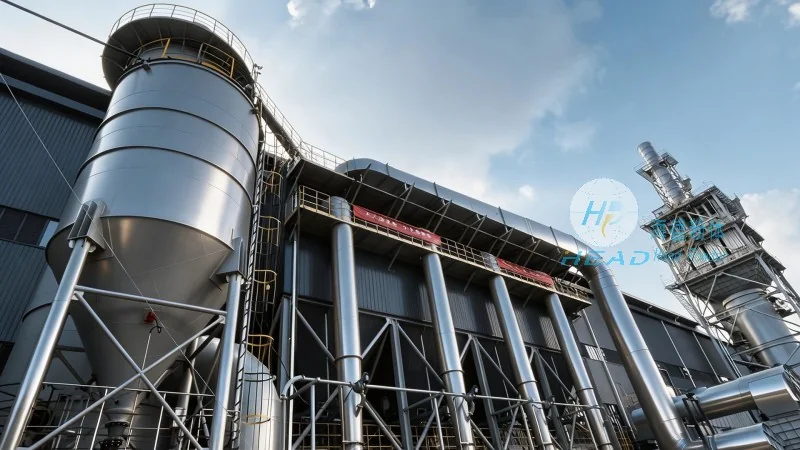
Working Principle of Pneumatic Conveying for Dry Mix Mortar
Pneumatic conveying systems for dry mix mortar operate by utilizing air or gas as the medium to transport bulk materials. The core mechanism involves creating a pressure differential between the material source and the destination, which propels the mortar particles through a pipeline. There are primarily two types of pneumatic conveying systems: pressure and vacuum systems. In pressure systems, compressed air is introduced at the material discharge point, pushing the mortar forward. Vacuum systems, on the other hand, create a negative pressure at the receiving end, drawing the material through the pipeline. The choice between these systems depends on factors such as the distance of transport, the volume of material, and the specific characteristics of the dry mix mortar being handled.
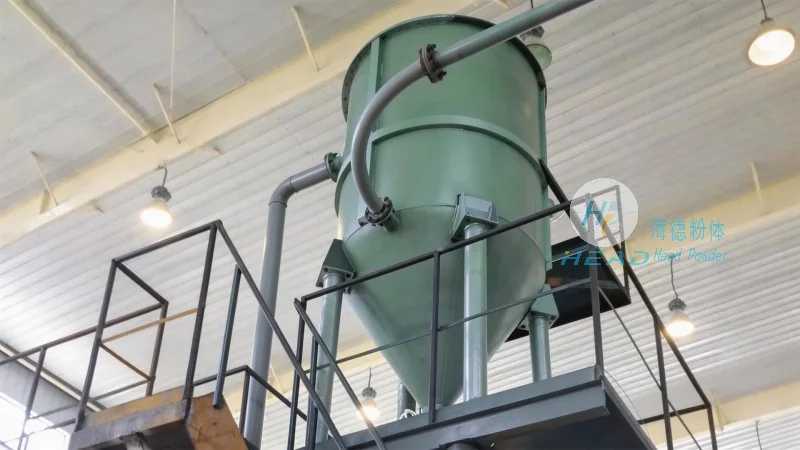
Key Characteristics of Pneumatic Conveying Systems for Dry Mix Mortar
Several distinct characteristics define the performance and applicability of pneumatic conveying systems in dry mix mortar applications. Firstly, the system's ability to handle fine, powdery materials without clogging is a critical feature. Dry mix mortar often contains fine particles that can easily block traditional mechanical conveyors, making pneumatic systems ideal for maintaining consistent flow. Secondly, the flexibility in pipeline layout is a significant advantage. Pneumatic conveying allows for complex and non-linear pipe configurations, enabling materials to be transported over long distances or through multiple points of distribution without the need for extensive structural modifications. Thirdly, the system's efficiency in energy consumption and operational speed is noteworthy. By eliminating the need for mechanical components like belts or buckets, pneumatic systems can achieve faster material transfer rates while consuming less energy compared to traditional methods. Additionally, the hygienic design of many modern pneumatic conveying systems is beneficial for food-grade or sensitive construction materials, ensuring that the mortar remains uncontaminated during transport.
Advantages and Considerations in Dry Mix Mortar Pneumatic Conveying
When evaluating pneumatic conveying systems for dry mix mortar, several advantages and considerations come into play. The primary benefits include improved material handling efficiency, reduced labor costs due to automated transport, and enhanced safety by minimizing manual handling of bulk materials. However, there are also challenges to consider, such as the need for proper air filtration to prevent dust accumulation and the importance of maintaining consistent air pressure to ensure reliable operation. Furthermore, the initial investment and maintenance costs of pneumatic systems can be higher than traditional conveyors, though the long-term operational savings often justify the upfront expense. Shandong HeadPowder Engineering Co., Ltd. specializes in designing and manufacturing customized pneumatic conveying solutions tailored to the specific needs of dry mix mortar producers, ensuring optimal performance and durability in various industrial settings.
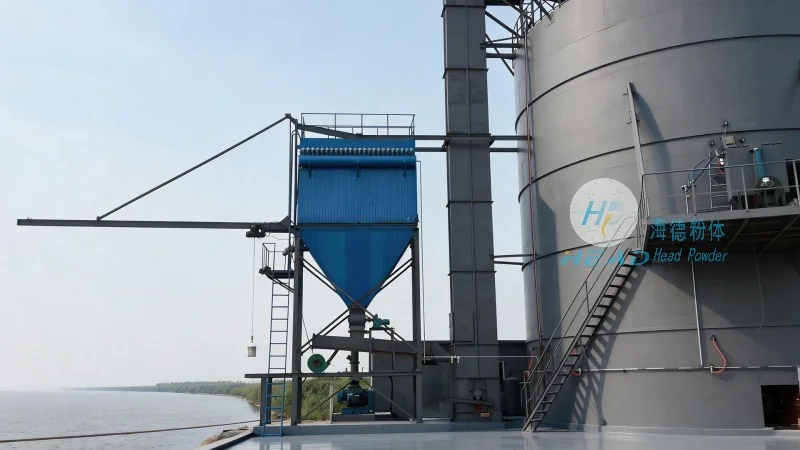
Application Examples and Industry Impact
Pneumatic conveying systems are widely used in the production and distribution of dry mix mortar, from large-scale manufacturing facilities to on-site construction sites. In manufacturing plants, these systems efficiently transport raw materials like cement, sand, and additives from storage silos to mixing stations, streamlining the production process. At construction sites, pneumatic conveyors can deliver dry mix mortar directly to the point of use, reducing the need for manual loading and transportation, which not only speeds up the construction process but also improves the quality and consistency of the mortar application. The adaptability of pneumatic systems to different mortar compositions and particle sizes makes them a versatile solution for various construction projects, from residential buildings to commercial structures. By leveraging the expertise of Shandong HeadPowder Engineering Co., Ltd., businesses can implement effective pneumatic conveying solutions that meet their operational requirements and contribute to overall productivity in the dry mix mortar industry.