

Working Principle and Features of Sodium Hypochlorite Pneumatic Conveying System
Understanding the working principle and features of a sodium hypochlorite pneumatic conveying system is crucial for industries that rely on efficient and safe chemical transport. This article provides a detailed overview of how such systems operate and the key characteristics that make them effective solutions for handling sodium hypochlorite, a widely used disinfectant and oxidizing agent.
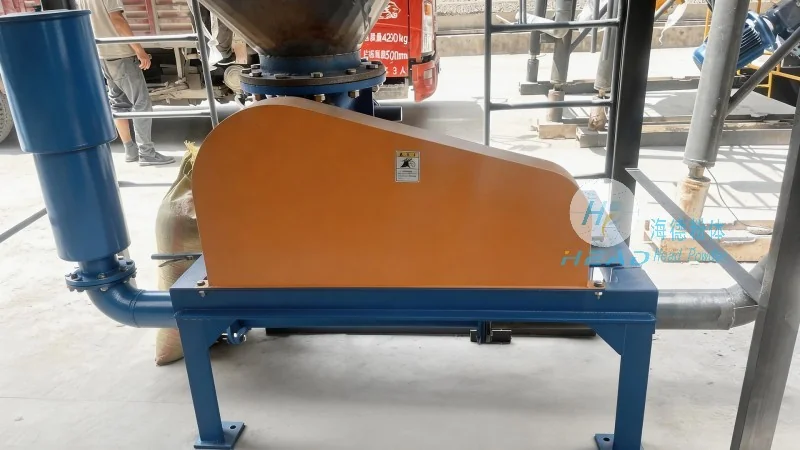
Introduction to Sodium Hypochlorite Pneumatic Conveying
Sodium hypochlorite is a chemical compound commonly used in water treatment, sanitation, and industrial processes due to its strong oxidizing properties. Conveying this chemical safely and efficiently requires specialized equipment, and pneumatic conveying systems are among the most effective methods. These systems utilize air or other gases to transport the material from one location to another, eliminating the need for mechanical components that could introduce contamination or pose safety risks.
Company Profile: Shandong HeadPowder Engineering Co., Ltd.
Headpowder, a leading manufacturer in the field of chemical processing equipment, specializes in designing and manufacturing advanced pneumatic conveying systems. The company is headquartered in Shandong, China, and has established itself as a trusted partner for industries seeking reliable solutions for material handling. Headpowder's expertise in engineering and manufacturing ensures that their sodium hypochlorite pneumatic conveying systems meet the highest standards of performance and safety.
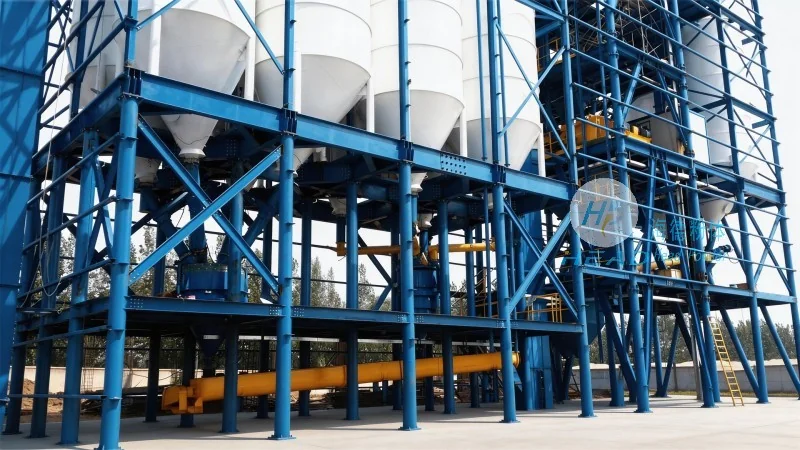
Working Principle of the Sodium Hypochlorite Pneumatic Conveying System
The core of a sodium hypochlorite pneumatic conveying system lies in its ability to transport the chemical using air pressure. The system typically consists of several key components, including a hopper for material storage, a conveyor line, a venturi or eductor for creating the air flow, and a receiver for the material at the destination. The process begins with the sodium hypochlorite being fed into the hopper. From there, the material is drawn into the conveyor line by the air flow generated by the venturi or eductor. The air and material mixture travels through the pipeline to the receiving hopper, where the material is separated from the air and collected.
During operation, the system maintains a consistent air flow rate to ensure the material is transported smoothly without clogging or degradation. The air pressure and flow rate are carefully controlled to match the characteristics of the sodium hypochlorite, such as its density and moisture content. This control is essential to prevent issues like blockages or uneven distribution of the chemical. The system also incorporates safety features, such as pressure relief valves and air filtration, to protect against overpressure and ensure the air used for conveying is clean and free from contaminants.
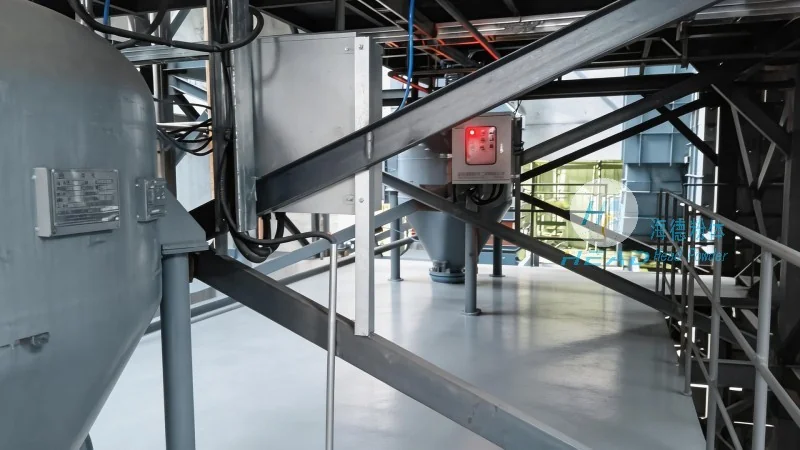
Key Features of the Sodium Hypochlorite Pneumatic Conveying System
Several features make the sodium hypochlorite pneumatic conveying system an ideal choice for handling this chemical. First, the system offers a completely enclosed and sealed environment, which prevents exposure to the air and minimizes the risk of contamination or leakage. This is particularly important for sodium hypochlorite, which can degrade when exposed to sunlight or air. The enclosed design also helps maintain the chemical's effectiveness and prevents cross-contamination with other materials.
Second, the system provides high efficiency in material transport. By using air pressure to move the material, the system can achieve long-distance transport with minimal energy consumption compared to traditional mechanical conveying methods. This efficiency not only reduces operational costs but also enhances the overall productivity of the process.
Third, the system is designed for safety and reliability. Headpowder's engineering ensures that all components are constructed from materials resistant to corrosion and chemical attack, such as stainless steel. This durability ensures the system can withstand the harsh conditions associated with sodium hypochlorite handling. Additionally, the system includes monitoring and control systems that allow operators to track the flow rate, pressure, and other critical parameters in real-time, enabling quick response to any issues that may arise.

Fourth, the system offers flexibility in application. It can be customized to handle various concentrations of sodium hypochlorite and can be integrated with other processing equipment, such as mixing tanks or storage tanks. This flexibility makes it suitable for a wide range of industrial applications, from water treatment plants to industrial cleaning operations.
Conclusion
In summary, the sodium hypochlorite pneumatic conveying system is a highly effective and reliable solution for transporting this important chemical. By understanding its working principle and leveraging its key features, industries can ensure safe, efficient, and cost-effective handling of sodium hypochlorite. Headpowder's expertise in manufacturing such systems positions them as a leading provider of solutions that meet the demanding requirements of modern chemical processing.